Is bifenthrin harmful to pets? This is a question that often concerns pet owners, and as a bifenthrin supplier, it is important to address this issue with scientific accuracy and transparency.
Bifenthrin is a synthetic pyrethroid insecticide that is widely used in agriculture, pest control, and household applications. It is known for its effectiveness against a broad spectrum of insects, including ants, termites, mosquitoes, and cockroaches. However, like all pesticides, bifenthrin has the potential to cause harm if not used properly.
Understanding the Toxicity of Bifenthrin
The toxicity of bifenthrin to pets depends on several factors, including the species of the pet, the route of exposure, the dose, and the duration of exposure. Generally, cats are more sensitive to pyrethroids than dogs due to their lower ability to metabolize these compounds.
When bifenthrin is applied according to the label instructions, the risk of harm to pets is relatively low. The label provides specific guidelines on how to use the product safely, including the appropriate application rates, the areas where it can be used, and the precautions to take to protect non - target organisms, including pets.
For example, when using bifenthrin for outdoor pest control, it is recommended to keep pets away from the treated area until the product has dried. This reduces the chance of pets coming into direct contact with the wet bifenthrin, which could potentially be absorbed through their skin or ingested if they lick their fur.
Routes of Exposure
There are three main routes through which pets can be exposed to bifenthrin: dermal (skin contact), oral (ingestion), and inhalation.
Dermal Exposure: If a pet walks through a recently treated area where bifenthrin is still wet, the chemical can be absorbed through their skin. This can cause irritation, redness, and in severe cases, neurological symptoms. However, once the product has dried, the risk of dermal absorption is significantly reduced.
Oral Exposure: Pets may ingest bifenthrin if they lick their fur after coming into contact with a treated surface or if they accidentally eat a bait or a treated plant. Ingestion of bifenthrin can lead to more serious health problems, such as vomiting, diarrhea, excessive salivation, tremors, and in extreme cases, seizures.
Inhalation Exposure: Inhalation of bifenthrin is less common but can occur if the product is aerosolized during application. This can cause respiratory irritation, coughing, and difficulty breathing in pets.
Symptoms of Bifenthrin Poisoning in Pets
The symptoms of bifenthrin poisoning in pets can vary depending on the level of exposure. Mild exposure may result in symptoms such as:
- Skin irritation, including redness, itching, and hair loss in the area of contact.
- Excessive drooling or salivation.
- Mild gastrointestinal upset, such as vomiting or diarrhea.
More severe exposure can lead to:
- Tremors and muscle twitching.
- Seizures.
- Difficulty breathing.
- Uncoordinated movements.
- Depression or lethargy.
If you suspect that your pet has been exposed to bifenthrin and is showing any of these symptoms, it is important to seek veterinary care immediately.
Minimizing the Risk to Pets
As a bifenthrin supplier, we are committed to providing information on how to use our products safely to minimize the risk to pets. Here are some tips:

- Read and Follow the Label: The product label contains important information on how to use bifenthrin safely. Make sure to follow all the instructions, including the recommended application rates and safety precautions.
- Keep Pets Away During Application: During the application of bifenthrin, keep pets indoors or in a separate area away from the treated site. Wait until the product has dried completely before allowing pets back into the area.
- Store Bifenthrin Properly: Keep bifenthrin products out of reach of pets. Store them in a locked cabinet or a secure location to prevent accidental ingestion.
- Use Bifenthrin - Based Baits Carefully: If using bifenthrin - based baits, place them in areas where pets cannot access them. Consider using bait stations that are designed to be pet - proof.
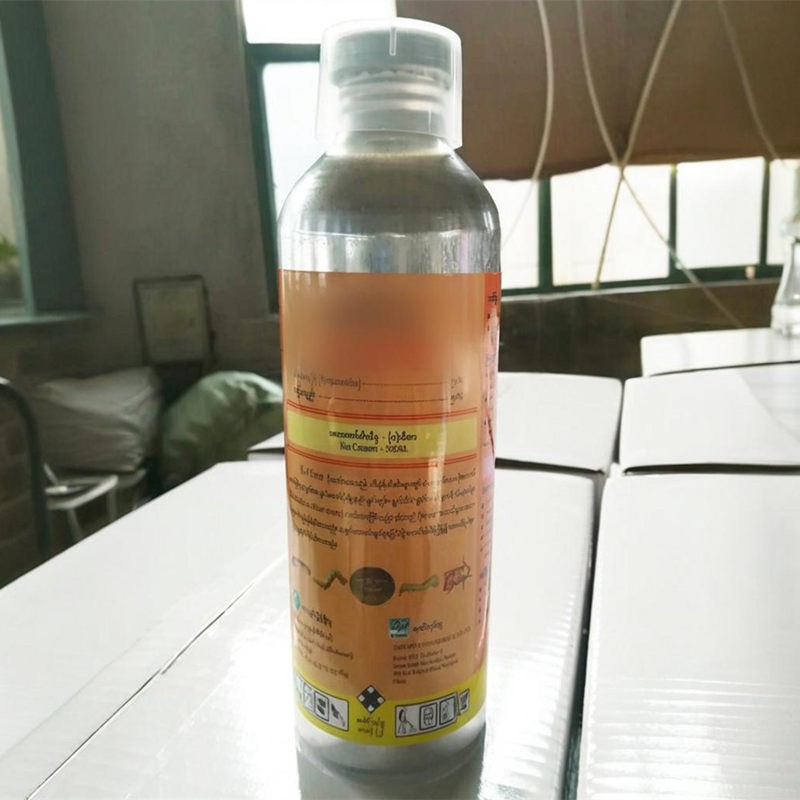
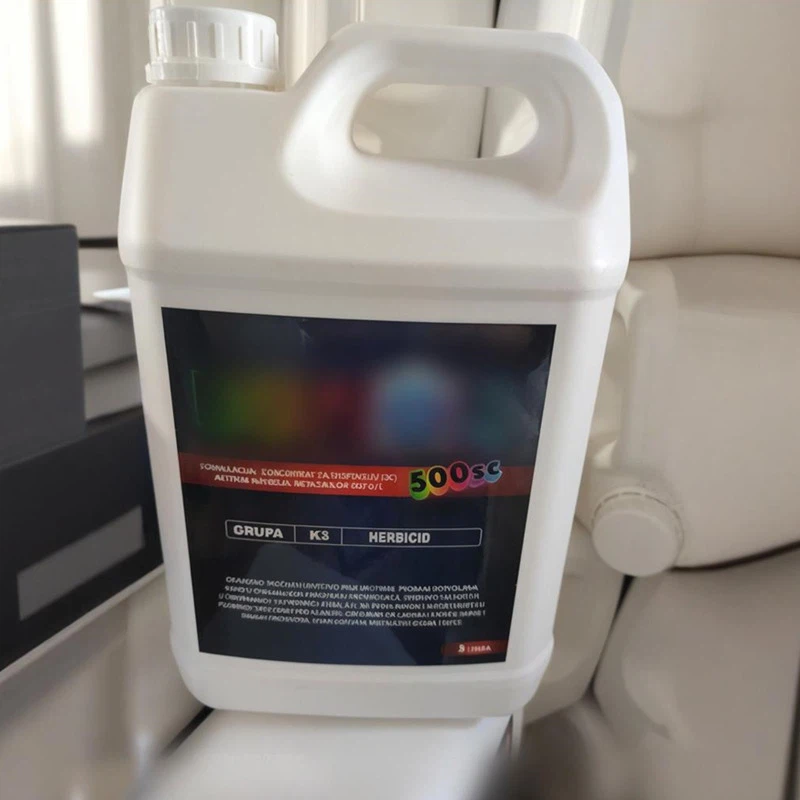
Our Bifenthrin Product: Bifenthrin 200G/L EC
We offer Bifenthrin 200G/L EC, a high - quality bifenthrin formulation that is designed for effective pest control. This product has been tested and proven to be effective against a wide range of insects while meeting strict safety standards.
Our Bifenthrin 200G/L EC is formulated to ensure proper dispersion and adhesion, which helps to reduce the risk of accidental exposure to non - target organisms, including pets. When used as directed, it provides long - lasting protection against pests without posing an unacceptable risk to the health of your furry friends.
Conclusion
In conclusion, bifenthrin can be harmful to pets if not used properly. However, when applied according to the label instructions, the risk of harm can be minimized. As a responsible bifenthrin supplier, we are dedicated to providing our customers with high - quality products and accurate information on how to use them safely.
If you are considering using bifenthrin for pest control and have concerns about its impact on your pets, please feel free to contact us. We are here to answer your questions and provide guidance on how to use our products in a way that protects both your home from pests and your pets from potential harm. Whether you are a professional pest control operator or a homeowner looking for an effective pest solution, our team is ready to assist you in making an informed decision. Reach out to us to discuss your specific needs and explore the best bifenthrin - based solutions for your situation.
References
- Environmental Protection Agency (EPA). (2023). Pyrethroid Insecticides. Retrieved from [EPA official website].
- Plumb, D. C. (2019). Plumb's Veterinary Drug Handbook. Wiley - Blackwell.
- Peterson, M. E., & Talcott, P. A. (2013). Small Animal Toxicology. Elsevier Saunders.