Fleas are a common nuisance that can infest homes, pets, and outdoor areas, causing discomfort and potential health issues. As a supplier of bifenthrin, a widely used insecticide, I often get asked about how this powerful chemical works to combat flea infestations. In this blog post, I'll delve into the science behind bifenthrin and explain how it effectively targets and eliminates fleas.
Understanding Bifenthrin
Bifenthrin is a synthetic pyrethroid insecticide that belongs to the class of chemicals known as pyrethroids. Pyrethroids are derived from natural pyrethrins, which are found in chrysanthemum flowers. However, synthetic pyrethroids like bifenthrin are more stable and have a longer residual effect, making them ideal for pest control applications.
Bifenthrin is known for its broad-spectrum activity, meaning it can target a wide range of insects, including fleas, ticks, ants, mosquitoes, and spiders. It is commonly used in both residential and commercial settings, as well as in agricultural applications.
How Bifenthrin Works on Fleas
Bifenthrin works by disrupting the nervous system of fleas. When a flea comes into contact with bifenthrin, the chemical binds to specific sites on the flea's nerve cells, known as sodium channels. These sodium channels are responsible for regulating the flow of sodium ions in and out of the nerve cells, which is essential for normal nerve function.
When bifenthrin binds to the sodium channels, it causes them to remain open, leading to an influx of sodium ions into the nerve cells. This disrupts the normal electrical signals that are transmitted along the nerve cells, causing the flea's nervous system to become overstimulated. As a result, the flea experiences muscle spasms, paralysis, and ultimately death.
One of the key advantages of bifenthrin is its long residual effect. After application, bifenthrin can remain active on surfaces for several weeks, providing ongoing protection against flea infestations. This means that even if new fleas enter the treated area, they will come into contact with the residual bifenthrin and be eliminated.
Application of Bifenthrin for Flea Control
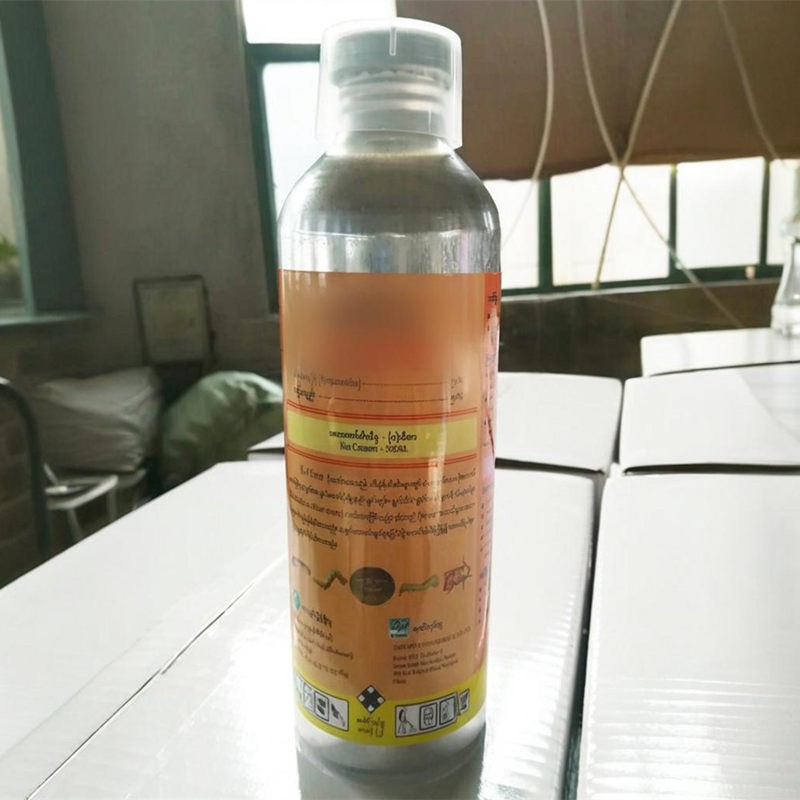
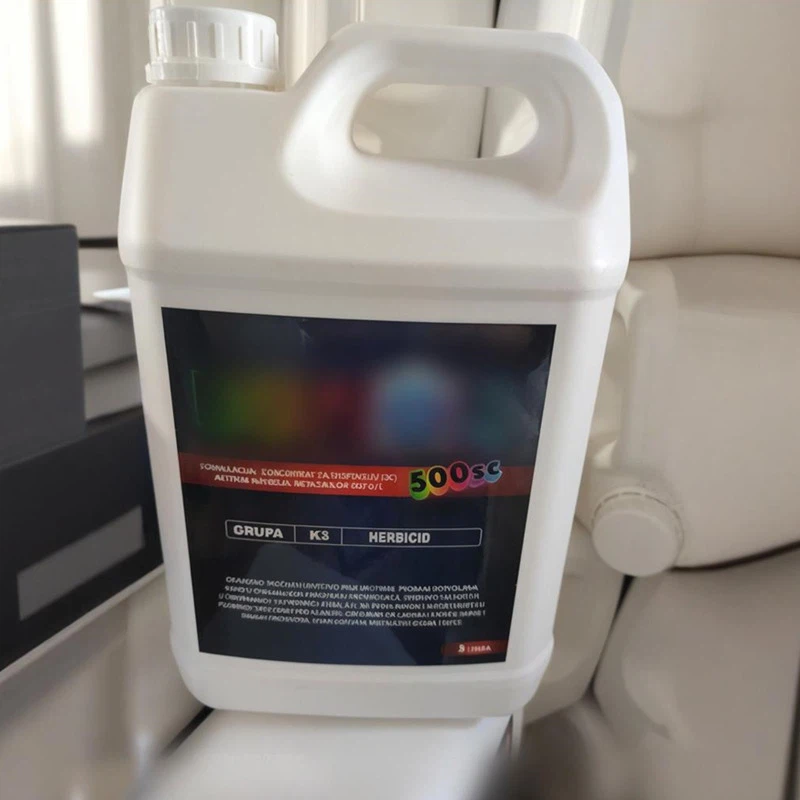
Bifenthrin is available in a variety of formulations, including emulsifiable concentrates (EC), wettable powders (WP), and granules. The most common formulation for flea control is the emulsifiable concentrate, such as Bifenthrin 200G/L EC.
When applying bifenthrin for flea control, it is important to follow the manufacturer's instructions carefully. The product should be diluted with water according to the recommended rate and applied using a sprayer or other appropriate application equipment. It is important to ensure that the treated area is thoroughly covered, including carpets, upholstery, pet bedding, and outdoor areas where fleas may be present.
It is also important to take precautions when using bifenthrin. The product should be applied in a well-ventilated area, and protective clothing, such as gloves and a mask, should be worn. Pets and children should be kept away from the treated area until the product has dried.
Effectiveness of Bifenthrin Against Fleas
Numerous studies have demonstrated the effectiveness of bifenthrin against fleas. In laboratory tests, bifenthrin has been shown to have a high level of toxicity to fleas, with rapid knockdown and long-lasting residual activity. In field trials, bifenthrin has been shown to significantly reduce flea populations in both residential and commercial settings.

One of the reasons why bifenthrin is so effective against fleas is its ability to target multiple life stages of the flea. Fleas go through four life stages: egg, larva, pupa, and adult. Bifenthrin can kill adult fleas on contact, as well as prevent the development of flea eggs and larvae. This comprehensive approach to flea control helps to break the flea life cycle and prevent future infestations.
Safety Considerations
While bifenthrin is generally considered to be safe when used according to the manufacturer's instructions, it is important to take precautions to minimize the risk of exposure. Bifenthrin can be toxic to humans and animals if ingested, inhaled, or absorbed through the skin. Therefore, it is important to keep the product out of reach of children and pets, and to avoid contact with the skin and eyes.
If you accidentally come into contact with bifenthrin, it is important to wash the affected area thoroughly with soap and water. If you experience any symptoms of exposure, such as skin irritation, eye irritation, or difficulty breathing, seek medical attention immediately.
Conclusion
Bifenthrin is a powerful and effective insecticide that can be used to control flea infestations in both residential and commercial settings. Its ability to disrupt the nervous system of fleas, combined with its long residual effect, makes it an ideal choice for flea control. However, it is important to use bifenthrin safely and according to the manufacturer's instructions to minimize the risk of exposure.
If you are dealing with a flea infestation and are interested in using bifenthrin for control, I encourage you to contact me to discuss your options. As a supplier of high-quality bifenthrin products, I can provide you with the information and support you need to effectively manage your flea problem.
References
- Ware, G. W., & Whitacre, D. M. (2004). The pesticide book. Thomson Publications.
- EPA. (2023). Bifenthrin. U.S. Environmental Protection Agency.