Imidacloprid is one of the most widely used insecticides in the world, known for its effectiveness against a broad spectrum of pests. As a supplier of imidacloprid products, I often encounter questions from customers about its properties, especially whether it is a systemic pesticide. In this blog post, I will delve into the nature of imidacloprid, explain why it is considered a systemic pesticide, and discuss its implications for pest control.
What is a Systemic Pesticide?
Before we can determine whether imidacloprid is a systemic pesticide, it's important to understand what the term "systemic" means in the context of pesticides. A systemic pesticide is a chemical that is absorbed by a plant and then translocated throughout its tissues. Once inside the plant, the pesticide can be present in the leaves, stems, roots, and even the sap. This means that when pests feed on any part of the treated plant, they ingest the pesticide and are subsequently affected.
The advantage of systemic pesticides is that they provide long - lasting protection against pests. Unlike contact pesticides, which only affect pests that come into direct contact with the chemical, systemic pesticides can reach pests that are hidden within the plant or those that feed on parts of the plant that are difficult to spray directly.
Imidacloprid as a Systemic Pesticide
Imidacloprid is indeed a systemic pesticide. It belongs to the neonicotinoid class of insecticides, which are known for their systemic properties. When imidacloprid is applied to the soil, it is taken up by the plant's roots and then moves through the xylem, the plant's water - conducting tissue, to the above - ground parts of the plant. This translocation process ensures that the pesticide is distributed evenly throughout the plant, providing protection against pests that feed on various plant tissues.
One of the key features of imidacloprid is its high water solubility, which allows it to be easily absorbed by plant roots and transported within the plant. Once inside the plant, imidacloprid binds to nicotinic acetylcholine receptors in the nervous system of insects. This binding disrupts the normal functioning of the insect's nervous system, leading to paralysis and eventually death.
Applications of Imidacloprid in Pest Control
The systemic nature of imidacloprid makes it suitable for a wide range of pest control applications. It is commonly used in agriculture to protect crops such as cotton, corn, soybeans, and vegetables from pests like aphids, whiteflies, thrips, and beetles. In horticulture, imidacloprid is used to protect ornamental plants from insect damage.
For example, in a cotton field, imidacloprid can be applied as a seed treatment. The treated seeds germinate, and the imidacloprid is absorbed by the emerging seedlings. As the plant grows, the pesticide is distributed throughout the plant, protecting it from early - season pests. This not only reduces the need for multiple foliar sprays but also provides more consistent pest control.
In urban and residential settings, imidacloprid is used to control pests such as termites and ants. When applied to the soil around a building's foundation, imidacloprid is taken up by plants and can also be present in the soil for an extended period. This creates a barrier that termites and ants cannot cross without being exposed to the pesticide.
Our Imidacloprid Products
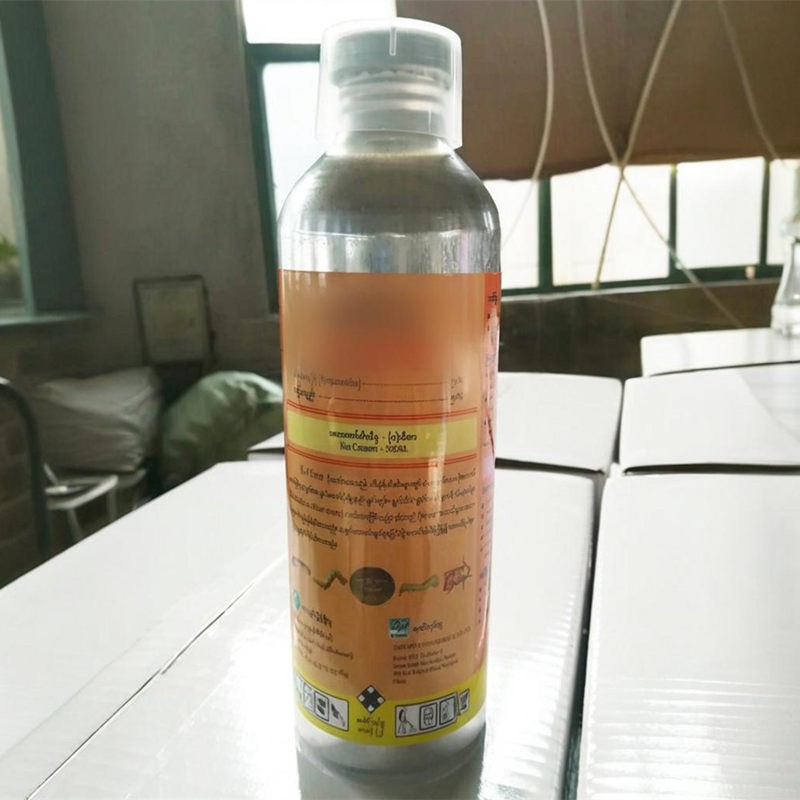
As a supplier, we offer a variety of imidacloprid - based products to meet the diverse needs of our customers. One of our popular products is Imidacloprid 350G/L SC. This formulation is a suspension concentrate that is easy to mix and apply. It provides excellent systemic activity, ensuring that plants are well - protected against pests.
The Imidacloprid 350G/L SC can be used in both agricultural and horticultural applications. Its high concentration of imidacloprid means that a relatively small amount of the product can provide effective pest control. Our product is also formulated to be environmentally friendly, with a low impact on non - target organisms when used as directed.
Safety and Environmental Considerations
While imidacloprid is an effective systemic pesticide, it is important to use it responsibly. Like all pesticides, imidacloprid can have an impact on the environment, especially on non - target organisms such as bees. Neonicotinoids, including imidacloprid, have been associated with declines in bee populations in some studies.

To minimize the environmental impact, it is crucial to follow the label instructions when using imidacloprid. This includes using the correct dosage, avoiding application during periods when bees are most active, and ensuring proper disposal of any unused product. At our company, we are committed to promoting the safe and responsible use of our products and providing our customers with the necessary information to make informed decisions.
Conclusion
In conclusion, imidacloprid is a systemic pesticide that offers many benefits in pest control. Its ability to be absorbed by plants and translocated throughout their tissues provides long - lasting protection against a wide range of pests. Our Imidacloprid 350G/L SC product is a reliable option for those looking for an effective and easy - to - use imidacloprid formulation.
If you are interested in purchasing imidacloprid products for your pest control needs, we encourage you to contact us for more information. Our team of experts is ready to assist you in selecting the right product and providing guidance on its proper use. We look forward to working with you to achieve effective pest control while minimizing the impact on the environment.
References
- Jeschke, P., Nauen, R., Schindler, M., & Elbert, A. (2011). Chemistry, mode of action, and targets of neonicotinoids. In Neonicotinoid Insecticides and the Environment (pp. 1 - 28). Springer, Dordrecht.
- Simon - Delso, N., Amaral - Zettler, L. A., Belzunces, L. P., & Bonmatin, J. M. (2015). A global perspective on the use, sales, exposure pathways, and regulations of neonicotinoid pesticides. Environmental Science & Technology, 49(2), 1095 - 1103.
- Desneux, N., Decourtye, A., & Delpuech, J. M. (2007). The sublethal effects of pesticides on beneficial arthropods. Annual Review of Entomology, 52(1), 81 - 106.