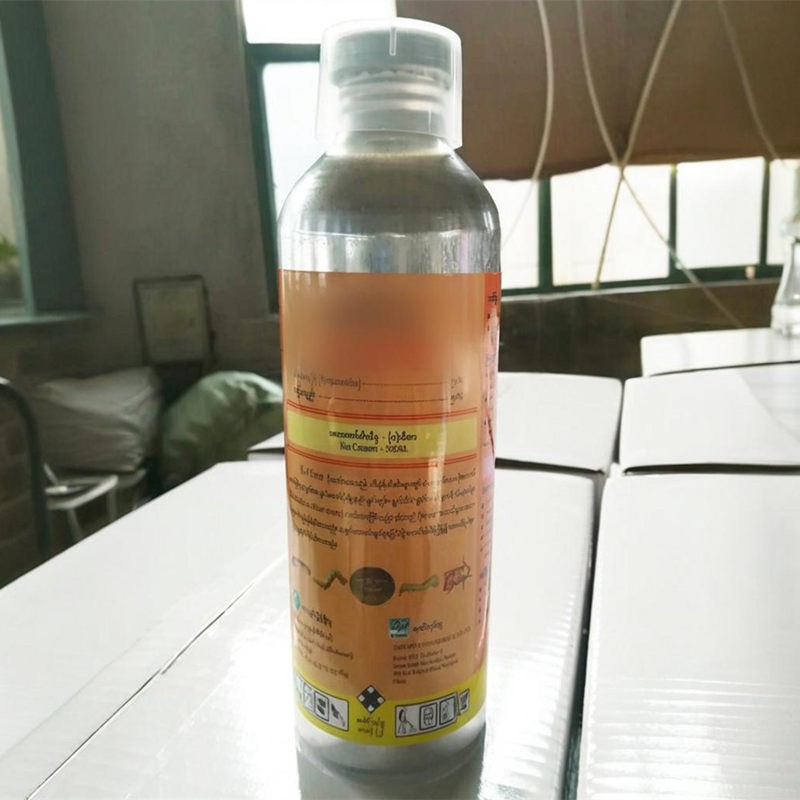
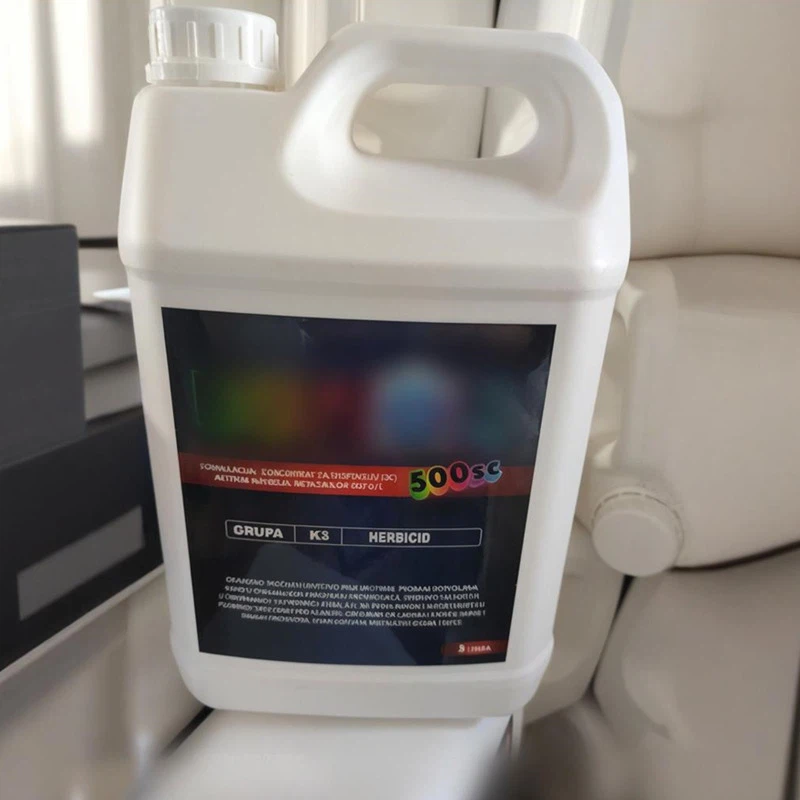
Hey there! I'm a supplier of lactofen, and I often get asked about what adjuvants can be used with lactofen to enhance its efficacy. Well, let's dive right into it.
First off, what is lactofen? Lactofen is a popular herbicide that's used to control a wide range of broad - leaf weeds. It belongs to the diphenylether family of herbicides and works by inhibiting the protoporphyrinogen oxidase (PPO) enzyme in plants, which eventually leads to the death of the targeted weeds. You can learn more about Lactofen 240G/L EC.
Now, let's talk about adjuvants. Adjuvants are substances that are added to a pesticide formulation or spray tank to improve its performance. They can enhance the herbicide's effectiveness in several ways, such as improving its spreading, sticking, and penetration on the plant surface.
One of the most commonly used adjuvants with lactofen is a non - ionic surfactant (NIS). Non - ionic surfactants are a type of wetting agent. They reduce the surface tension of the spray solution, allowing it to spread more evenly over the leaf surface. This means that more of the lactofen can come into contact with the weed, increasing its chances of being absorbed and having an effect. For example, when you spray lactofen without a surfactant, the droplets might bead up on the waxy surface of the leaves and roll off. But with a NIS, the droplets spread out, covering a larger area and increasing the herbicide's efficacy.
Another great adjuvant is a crop oil concentrate (COC). Crop oil concentrates are made up of refined petroleum or vegetable oils. They work by softening the cuticle of the weed leaves. The cuticle is a waxy layer on the outside of the leaves that acts as a barrier to prevent the entry of foreign substances, including herbicides. When you add a COC to your lactofen spray, it helps the herbicide penetrate through this cuticle more easily. This is especially useful for weeds with thick or waxy cuticles, as it allows the lactofen to reach the inner cells of the plant where it can do its job.
Ammonium sulfate (AMS) is also a valuable adjuvant to use with lactofen. AMS can improve the performance of lactofen in several ways. Firstly, it can reduce the negative effects of hard water on the herbicide. Hard water contains high levels of calcium, magnesium, and other minerals, which can react with lactofen and reduce its effectiveness. AMS helps to tie up these minerals, preventing them from interfering with the herbicide. Secondly, AMS can enhance the uptake of lactofen by the plant. It can change the electrical charge on the leaf surface, making it more favorable for the herbicide to be absorbed.
Methylated seed oil (MSO) is another option. MSO is similar to COC in that it helps with the penetration of lactofen through the leaf cuticle. However, MSO often has better spreading and sticking properties compared to COC. It can form a thin film on the leaf surface, which helps to keep the lactofen in contact with the leaf for a longer period of time. This extended contact time allows for more of the herbicide to be absorbed by the weed.
When it comes to choosing the right adjuvant, there are a few things to consider. The type of weed you're targeting is important. Different weeds have different leaf structures and cuticle thicknesses. For example, if you're dealing with weeds like velvetleaf or morning glory, which have relatively thick cuticles, a COC or MSO might be a better choice as they can help the lactofen penetrate through the tough outer layer. On the other hand, if you're targeting smaller, more delicate weeds, a NIS might be sufficient.
The environmental conditions also play a role. In hot and dry conditions, the spray solution can dry out quickly on the leaf surface. Using an adjuvant like MSO or a thickening agent can help to slow down the drying process, giving the lactofen more time to be absorbed. In cool and humid conditions, the uptake of the herbicide might be slower, and an adjuvant that enhances penetration, like AMS, could be beneficial.
It's also crucial to follow the label instructions. The label of the lactofen product will often provide recommendations on which adjuvants to use and at what rates. Using an adjuvant at the wrong rate can either reduce the efficacy of the herbicide or cause damage to the crop.
Now, I want to mention that while adjuvants can significantly enhance the efficacy of lactofen, they're not a magic bullet. Proper application techniques are still essential. Make sure you're using the right equipment, spraying at the correct pressure, and covering the target area evenly.

If you're in the market for lactofen and want to learn more about how to use adjuvants to get the best results, or if you're interested in purchasing our high - quality lactofen products, I'd love to have a chat with you. Feel free to reach out to start a discussion about your specific needs. Whether you're a large - scale farmer or a small - time gardener, we've got the lactofen solutions for you.
In conclusion, using the right adjuvant with lactofen can make a huge difference in its effectiveness. Non - ionic surfactants, crop oil concentrates, ammonium sulfate, and methylated seed oil are all great options, but the choice depends on the type of weed, environmental conditions, and following the label instructions. So, don't hesitate to experiment with different adjuvants to find the combination that works best for your situation.
References
- Herbicide Handbook of the Weed Science Society of America.
- Various research papers on herbicide adjuvants and lactofen efficacy.