As a fipronil supplier, I've witnessed firsthand the remarkable journey of this potent insecticide from its inception to its widespread use in pest control. Fipronil has become a cornerstone in the fight against a variety of pests, offering effective solutions for agricultural, veterinary, and public health applications. In this blog, I'll delve into the history of fipronil development, exploring its discovery, evolution, and the impact it has had on pest management.
Discovery of Fipronil
The story of fipronil begins in the late 1980s when researchers at Rhône - Poulenc Agrochimie (now part of Bayer CropScience) were on a quest to develop new and more effective insecticides. They were looking for compounds that could target pests with high specificity while minimizing the impact on non - target organisms and the environment.
During their extensive screening process, they discovered a class of chemicals known as phenylpyrazoles. Fipronil, with its unique chemical structure, emerged as a particularly promising candidate. Its mode of action was different from many existing insecticides. Fipronil acts by disrupting the insect's central nervous system. It blocks the passage of chloride ions through the gamma - aminobutyric acid (GABA) - gated chloride channels and the glutamate - gated chloride channels. This disruption leads to over - excitation of the insect's nervous system, ultimately resulting in paralysis and death.
The discovery of fipronil's mode of action was a significant breakthrough. Traditional insecticides often targeted acetylcholinesterase, an enzyme involved in nerve impulse transmission. However, many pests had developed resistance to these types of insecticides over time. Fipronil's novel mode of action meant that it could be effective against pests that had become resistant to other chemicals, offering a new hope in pest control.
Early Development and Testing
After its discovery, fipronil entered a rigorous phase of development and testing. In the early 1990s, extensive laboratory studies were conducted to evaluate its toxicity, efficacy, and environmental fate. These studies were crucial for understanding how fipronil would perform in real - world scenarios.
In the laboratory, fipronil was tested against a wide range of pests, including cockroaches, termites, ants, fleas, and agricultural pests such as aphids and beetles. The results were impressive. Fipronil showed high efficacy against these pests at relatively low doses. It was also found to have a long residual activity, meaning that it could continue to control pests for an extended period after application.
Field trials were then carried out to confirm the laboratory findings. These trials were conducted in different agricultural regions and under various environmental conditions. In agricultural settings, fipronil was applied to crops such as corn, rice, and cotton. The results showed that fipronil could significantly reduce pest populations and increase crop yields. For example, in rice fields, fipronil was effective in controlling stem borers, which are major pests that can cause significant damage to rice plants.
Regulatory Approval and Commercialization
Based on the positive results from the laboratory and field trials, fipronil began the process of obtaining regulatory approval. In 1993, fipronil received its first regulatory approval in France for use in agricultural applications. This was a major milestone in its development, as it marked the transition from a research compound to a commercially available product.
Over the next few years, fipronil gained regulatory approval in other countries around the world. It was approved for a variety of uses, including agricultural pest control, veterinary use for flea and tick control on pets, and in public health applications for controlling pests such as cockroaches and termites in buildings.
The commercialization of fipronil was a success. It quickly became a popular choice among farmers, veterinarians, and pest control professionals. Its effectiveness, long - lasting activity, and relatively low toxicity to mammals compared to some other insecticides made it an attractive option.
Evolution of Fipronil Products
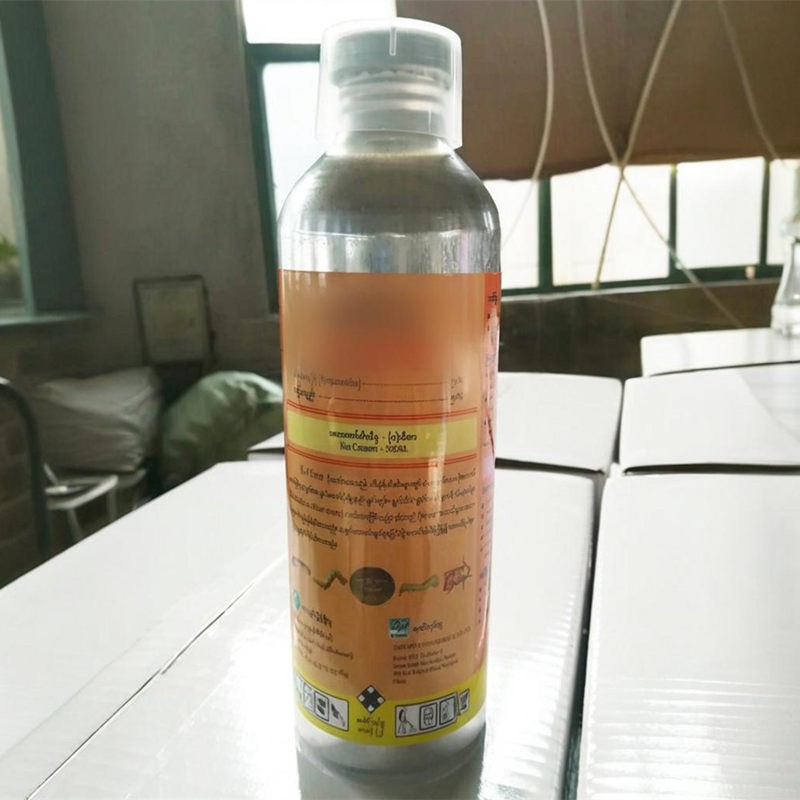
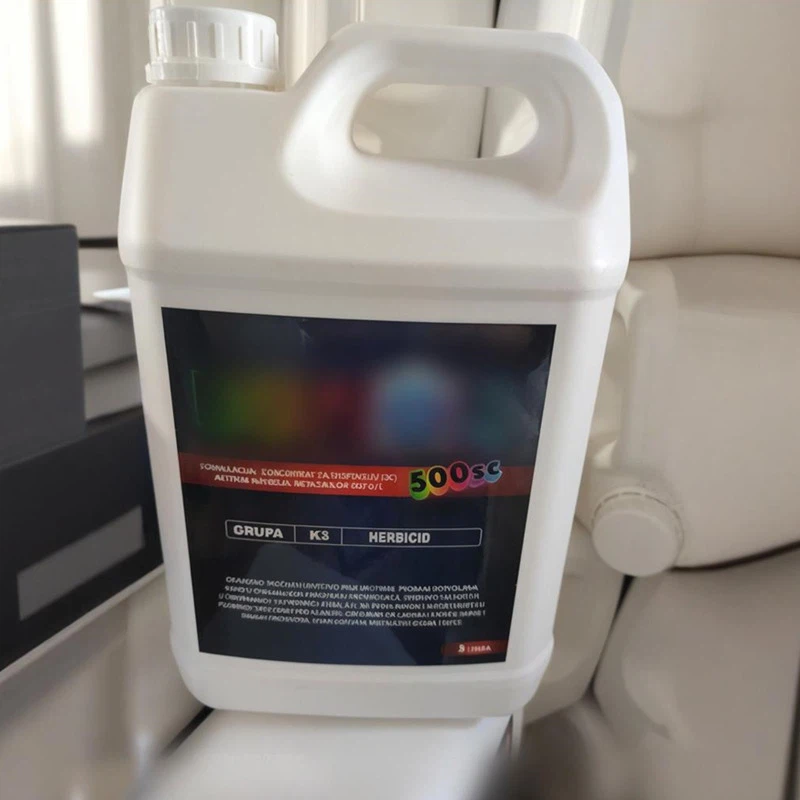
As fipronil became more widely used, different formulations were developed to meet the specific needs of different applications. One of the most popular formulations is Fipronil 200G/L SC. This suspension concentrate formulation is easy to mix and apply, making it suitable for a variety of spraying equipment. It is commonly used in agricultural applications for controlling pests on a large scale.
In addition to the agricultural formulation, there are also fipronil - based products for veterinary use. These products include spot - on treatments for flea and tick control on dogs and cats. The spot - on formulations are designed to be applied directly to the animal's skin, where the fipronil is absorbed and provides long - lasting protection against fleas and ticks.
For public health applications, fipronil is available in bait formulations. Baits are an effective way to control pests such as cockroaches and ants. The pests are attracted to the bait, consume it, and then spread the fipronil to other members of the colony, resulting in the control of the entire population.
Concerns and Regulations
Despite its many benefits, fipronil has also faced some concerns over the years. One of the main concerns is its potential impact on non - target organisms, particularly aquatic invertebrates. Studies have shown that fipronil can be toxic to some species of fish, crustaceans, and other aquatic organisms at relatively low concentrations.
In response to these concerns, regulatory agencies around the world have implemented stricter regulations on the use of fipronil. For example, in some countries, there are restrictions on the use of fipronil near water bodies. These regulations aim to minimize the risk of fipronil entering aquatic ecosystems and causing harm to non - target organisms.
Another concern is the potential for fipronil residues in food. As fipronil is used in agricultural applications, there is a risk that residues could remain on crops. To address this issue, maximum residue limits (MRLs) have been established for fipronil in food products. These limits ensure that the levels of fipronil residues in food are safe for human consumption.
Continued Research and Innovation
In recent years, research on fipronil has continued to focus on improving its safety and efficacy. Scientists are exploring ways to reduce its impact on non - target organisms while maintaining its effectiveness against pests. For example, new formulations are being developed that are more environmentally friendly and have a lower risk of leaching into water bodies.
There is also ongoing research on the development of resistance management strategies. As with any insecticide, there is a risk that pests could develop resistance to fipronil over time. To prevent this, researchers are studying the mechanisms of resistance and developing strategies to delay its onset. This includes rotating fipronil with other insecticides with different modes of action and using it in combination with biological control methods.

The Role of Our Company as a Fipronil Supplier
As a fipronil supplier, we play a crucial role in ensuring that fipronil is used safely and effectively. We work closely with our customers, including farmers, veterinarians, and pest control professionals, to provide them with the right products and technical support.
We offer a range of fipronil products, including the popular Fipronil 200G/L SC. Our products are manufactured to the highest quality standards and are compliant with all relevant regulations. We also provide training and education to our customers on the proper use of fipronil, including application rates, safety precautions, and resistance management.
Contact Us for Fipronil Procurement
If you are in the market for fipronil products, we invite you to contact us for procurement and further discussions. Whether you are a large - scale farmer looking to protect your crops, a veterinarian in need of effective flea and tick control products, or a pest control professional seeking reliable solutions for pest management, we have the products and expertise to meet your needs. Our team of experts is ready to assist you in finding the right fipronil products for your specific application and to provide you with the support you need to use them safely and effectively.
References
- Casida, J. E., & Durkin, K. A. (2013). Insecticide toxicology: from mechanism to application. CRC Press.
- Scott, J. G. (2019). Insect resistance to pesticides. Annual Review of Entomology, 64, 141 - 157.
- United States Environmental Protection Agency. (2013). Fipronil Reregistration Eligibility Decision (RED).