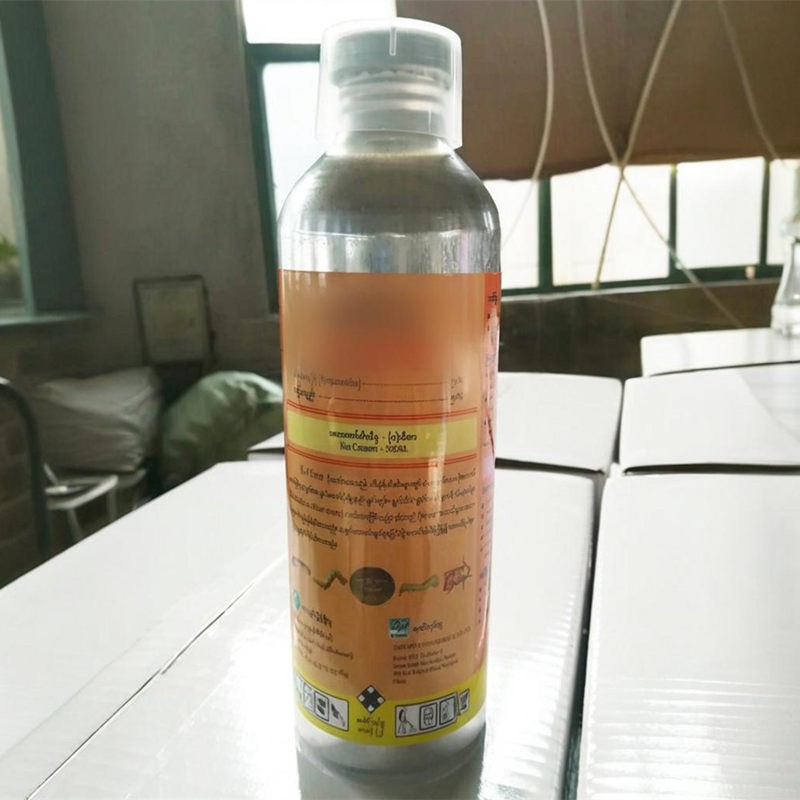
Is metazachlor a systemic herbicide?
As a supplier of metazachlor, I often encounter questions from customers regarding the nature and properties of this herbicide. One of the most frequently asked questions is whether metazachlor is a systemic herbicide. In this blog post, I will delve into the characteristics of metazachlor, explain the concept of systemic herbicides, and provide a clear answer to this question.
Understanding Systemic Herbicides
Before we can determine whether metazachlor is a systemic herbicide, it's essential to understand what systemic herbicides are. Systemic herbicides are chemicals that are absorbed by plants and then translocated throughout the plant's vascular system. Once inside the plant, these herbicides move to various parts, including the roots, stems, and leaves, where they disrupt essential physiological processes, ultimately leading to the death of the plant.
The advantage of systemic herbicides is that they can effectively control both the above - ground and below - ground parts of the weed. This means that even if only a portion of the plant is treated, the herbicide can spread to other areas, ensuring complete control of the weed. In contrast, contact herbicides only affect the parts of the plant that come into direct contact with the herbicide and may not provide long - term or comprehensive control.
Metazachlor: Mode of Action
Metazachlor is a pre - emergence herbicide that is commonly used to control a wide range of annual grasses and broad - leaved weeds in various crops such as potatoes, oilseed rape, and vegetables. Its mode of action involves inhibiting the synthesis of very - long - chain fatty acids (VLCFAs) in plants. VLCFAs are essential components of plant cell membranes, and their inhibition disrupts the normal growth and development of the weed.
When metazachlor is applied to the soil, it is taken up by the germinating weed seeds or the emerging seedlings. It acts primarily on the roots and shoots of the young plants as they are growing through the treated soil. However, the movement of metazachlor within the plant is somewhat limited compared to typical systemic herbicides.
Is Metazachlor a Systemic Herbicide?
The classification of metazachlor as a systemic herbicide is a matter of some debate. While metazachlor is absorbed by plants and can move within the plant to some extent, it does not exhibit the same level of extensive translocation as classic systemic herbicides like glyphosate.
Metazachlor is mainly absorbed by the roots and shoots of germinating weeds in the soil. It has a relatively short - distance movement within the plant. It mainly affects the actively growing parts of the young plants close to the point of absorption. For example, it can inhibit the growth of the roots and prevent the proper development of the shoot system. But it does not readily move throughout the entire plant to reach all the tissues and organs in the same way that a fully systemic herbicide would.
So, strictly speaking, metazachlor is not a highly systemic herbicide in the traditional sense. It is more of a herbicide with limited systemic properties. Its action is more focused on the early growth stages of the weeds and the areas close to the site of absorption in the soil.
Benefits of Using Metazachlor
Despite not being a fully systemic herbicide, metazachlor offers several benefits for weed control.
- Pre - emergence control: Metazachlor is very effective as a pre - emergence herbicide. By applying it before the weeds germinate, it can prevent the establishment of weed populations in the field. This reduces competition for nutrients, water, and sunlight, allowing the crop to grow more vigorously.
- Broad - spectrum activity: It has a broad spectrum of activity against many common annual grasses and broad - leaved weeds. This makes it a versatile tool for farmers and growers who need to control multiple weed species in their fields.
- Compatibility: Metazachlor can be used in combination with other herbicides to enhance its weed - control efficacy. This allows for the development of customized weed - control programs that are tailored to the specific needs of different crops and weed infestations.
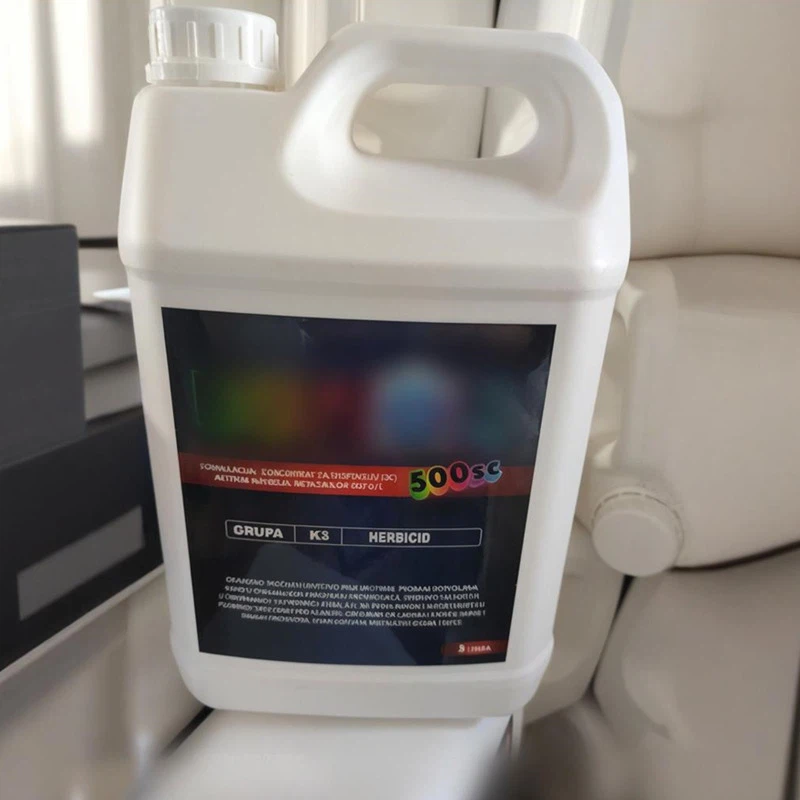
Our Metazachlor Product: Metazachlor 500 G/L SC
As a supplier, we offer Metazachlor 500 G/L SC. This formulation is a suspension concentrate that provides excellent coverage and adhesion when applied to the soil. It is easy to handle and mix, making it convenient for farmers and applicators.
The 500 G/L SC formulation ensures a high concentration of the active ingredient, metazachlor, which means that a relatively small amount of the product can be used to achieve effective weed control. This not only reduces the cost of weed management but also minimizes the environmental impact.
Contact Us for Procurement
If you are interested in purchasing metazachlor for your agricultural needs, we are here to assist you. Our team of experts can provide you with detailed information about the product, its application rates, and best - practice guidelines. We can also help you develop a customized weed - control strategy based on your specific crop and weed situation.
Whether you are a large - scale farmer, a small - scale grower, or an agricultural distributor, we have the capacity to meet your metazachlor requirements. Contact us today to start a discussion about your procurement needs and how our metazachlor products can benefit your operation.
References
- "Herbicide Handbook" by Weed Science Society of America.
- Scientific research papers on the mode of action of metazachlor published in peer - reviewed agricultural journals.