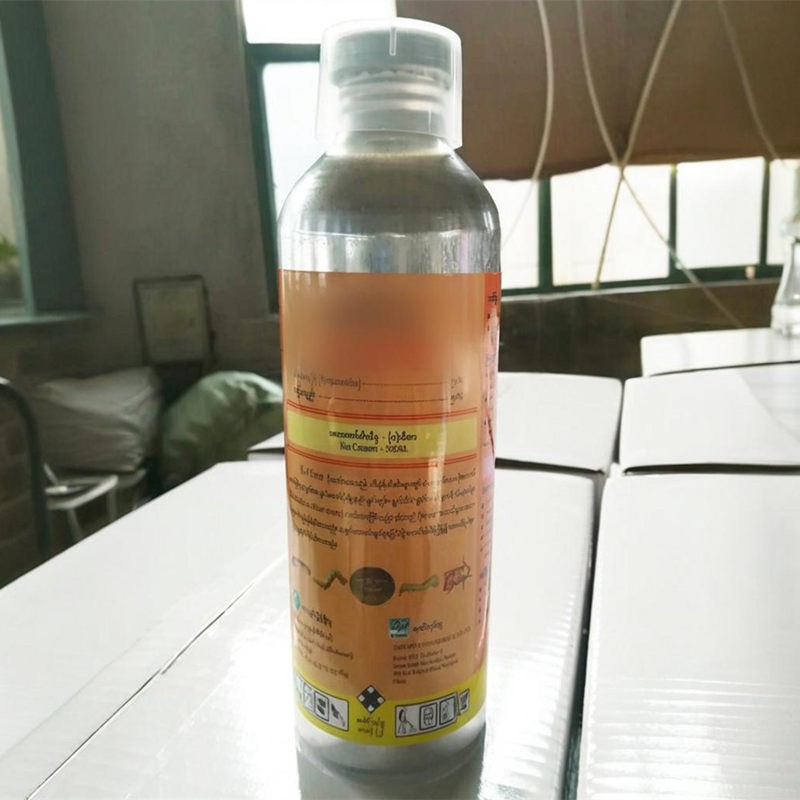
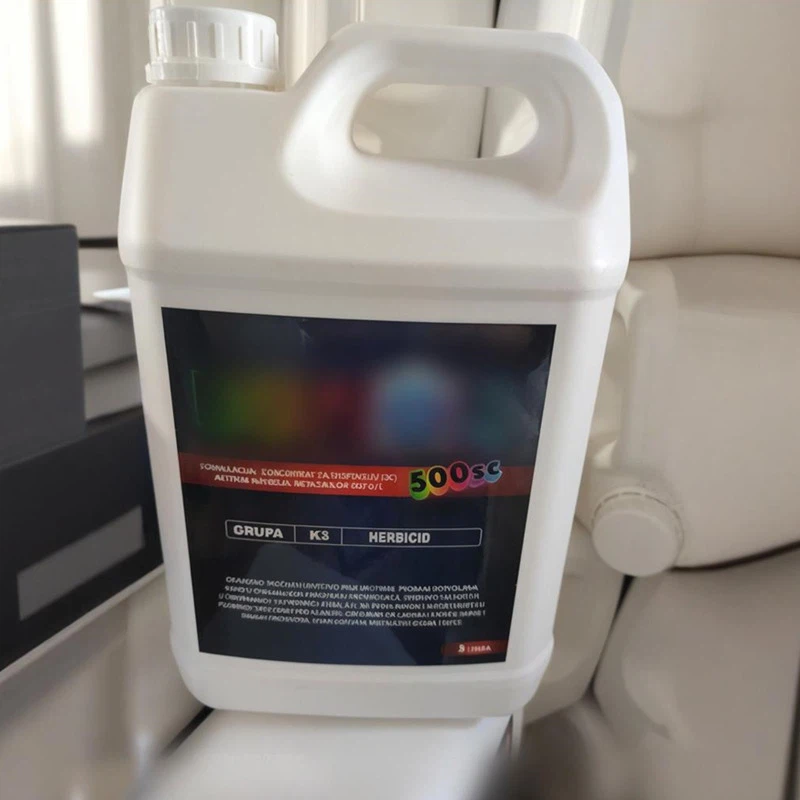
Thiacloprid is a widely used neonicotinoid insecticide known for its effectiveness against a variety of pests. As a thiacloprid supplier, I have witnessed firsthand the importance of proper storage conditions in maintaining the stability and efficacy of this valuable product. In this blog post, I will delve into the various factors that can affect thiacloprid's stability during storage and provide insights on how to ensure its optimal performance.
Understanding Thiacloprid's Chemical Properties
Before discussing the impact of storage conditions, it is essential to understand the chemical properties of thiacloprid. Thiacloprid belongs to the class of neonicotinoid insecticides, which are synthetic compounds that mimic the action of nicotine. It has a relatively stable chemical structure under normal conditions, but it can be susceptible to degradation when exposed to certain environmental factors.
One of the key features of thiacloprid is its solubility in water. It is moderately soluble in water, which means that it can be easily formulated into various liquid products such as Thiacloprid 240G/L OD. However, this solubility also makes it vulnerable to hydrolysis, a chemical reaction in which water breaks down the insecticide molecule. Hydrolysis can occur when thiacloprid is exposed to high humidity or stored in an environment with a significant amount of moisture.
Temperature and Thiacloprid Stability
Temperature is one of the most critical factors affecting thiacloprid's stability. Generally, thiacloprid is more stable at lower temperatures. High temperatures can accelerate the degradation process by increasing the rate of chemical reactions within the insecticide.
When thiacloprid is stored at elevated temperatures, it can undergo thermal decomposition. This process involves the breakdown of the insecticide molecule into smaller, less effective compounds. The rate of thermal decomposition increases with temperature, and prolonged exposure to high temperatures can significantly reduce the potency of thiacloprid.
For example, if thiacloprid products are stored in a warehouse without proper temperature control during the summer months, the internal temperature can rise to levels that are detrimental to the insecticide's stability. In such cases, the active ingredient in thiacloprid may degrade over time, leading to a decrease in its effectiveness against pests.
To ensure thiacloprid's stability, it is recommended to store it at temperatures between 2 - 30°C (35.6 - 86°F). This temperature range helps to minimize the risk of thermal decomposition and maintain the integrity of the insecticide. Additionally, it is important to avoid exposing thiacloprid to extreme temperature fluctuations, as these can also cause stress on the product and potentially lead to degradation.
Humidity and Moisture
As mentioned earlier, thiacloprid's solubility in water makes it susceptible to hydrolysis when exposed to high humidity or moisture. Humidity refers to the amount of water vapor present in the air, and high humidity levels can create an environment conducive to hydrolysis.

When thiacloprid comes into contact with moisture, the water molecules can react with the insecticide and break it down into its constituent parts. This not only reduces the concentration of the active ingredient but also may result in the formation of by - products that could be less effective or even potentially harmful.
To prevent hydrolysis, it is crucial to store thiacloprid in a dry environment. Warehouses and storage facilities should be equipped with dehumidifiers to maintain low humidity levels. Additionally, thiacloprid products should be stored in sealed containers to minimize the ingress of moisture. If the product is exposed to water during storage, such as in the case of a leak or flood, it is important to assess the damage and determine if the product is still suitable for use.
Light Exposure
Light, especially ultraviolet (UV) light, can also have a negative impact on thiacloprid's stability. UV light has high energy photons that can break the chemical bonds in thiacloprid molecules, leading to photodegradation.
Photodegradation can cause changes in the chemical structure of thiacloprid, resulting in a loss of its insecticidal activity. When thiacloprid is exposed to direct sunlight or strong artificial UV light for extended periods, the rate of photodegradation can be significant.
To protect thiacloprid from light - induced degradation, it should be stored in opaque containers or in areas that are shielded from direct light. If the product is being transported, it is advisable to use packaging materials that can block UV light.
Oxidation
Oxidation is another chemical process that can affect thiacloprid's stability. Thiacloprid can react with oxygen in the air, especially in the presence of heat or light. Oxidation can lead to the formation of oxidation products, which may have different chemical and biological properties compared to the original thiacloprid.
To prevent oxidation, thiacloprid products should be stored in air - tight containers. This helps to minimize the contact between the insecticide and oxygen. Additionally, antioxidants can be added to thiacloprid formulations during the manufacturing process to slow down the oxidation reaction.
Impact of Storage Conditions on Product Quality and Efficacy
The stability of thiacloprid under different storage conditions directly impacts its product quality and efficacy. When thiacloprid degrades due to improper storage, the concentration of the active ingredient decreases. This means that when the product is applied in the field, it may not provide the expected level of pest control.
Farmers and growers rely on thiacloprid to protect their crops from pests. If the product has been stored in sub - optimal conditions and has degraded, they may experience reduced pest control, leading to crop damage and economic losses. Therefore, as a thiacloprid supplier, it is our responsibility to educate our customers about the importance of proper storage and provide them with guidelines on how to ensure the longevity and effectiveness of our products.
Best Practices for Thiacloprid Storage
Based on the above factors, here are some best practices for storing thiacloprid:
- Temperature Control: Maintain storage temperatures between 2 - 30°C (35.6 - 86°F) and avoid extreme temperature fluctuations.
- Humidity Management: Keep the storage environment dry by using dehumidifiers and store thiacloprid in sealed containers.
- Light Protection: Store thiacloprid in opaque containers or in areas away from direct light.
- Air - Tight Storage: Use air - tight containers to prevent oxidation and minimize the contact with oxygen.
- Inventory Management: Rotate the stock regularly to ensure that older products are used first, reducing the risk of long - term storage and degradation.
Conclusion
In conclusion, thiacloprid's stability is significantly affected by storage conditions such as temperature, humidity, light exposure, and oxidation. As a thiacloprid supplier, we are committed to providing high - quality products, but it is equally important for our customers to store these products properly to maintain their efficacy.
Proper storage not only ensures that thiacloprid remains effective against pests but also helps to protect the environment and human health. By following the best practices outlined in this blog post, farmers, growers, and other end - users can maximize the value of thiacloprid and achieve better pest control results.
If you are interested in purchasing thiacloprid products or have any questions about their storage and usage, please feel free to contact us for further discussion. We are always ready to assist you in making the right choices for your pest control needs.
References
- Tomlin, C. D. S. (Ed.). (2009). The Pesticide Manual: A World Compendium. British Crop Protection Council.
- Environmental Protection Agency. (20XX). Neonicotinoid Insecticides: Ecological Risk Assessment. EPA Publication.
- Manufacturers' product information and technical data sheets on thiacloprid.