Hey there! As a thiacloprid supplier, I often get asked about the recommended dosage of thiacloprid. So, I thought I'd take the time to break it down for you in this blog post.
Thiacloprid is a neonicotinoid insecticide that's widely used in agriculture to control a variety of pests, including aphids, whiteflies, and thrips. It works by targeting the nervous system of insects, causing paralysis and eventually death. But like any pesticide, getting the dosage right is crucial for both effectiveness and safety.
Factors Affecting Thiacloprid Dosage
The recommended dosage of thiacloprid can vary depending on several factors. First off, the type of crop you're treating matters a lot. Different crops have different tolerances to pesticides, and some pests are more prevalent on certain crops than others. For example, a fruit orchard might require a different dosage than a vegetable field.
The pest you're trying to control is another major factor. Some pests are more resistant to thiacloprid than others, so you might need to use a higher dosage to get the job done. The life stage of the pest also plays a role. Younger insects are often more susceptible to pesticides, so you might be able to use a lower dosage if you're targeting them.
The application method also affects the dosage. Whether you're using a foliar spray, a soil drench, or a seed treatment, each method has its own recommended dosage range. Foliar sprays are usually applied directly to the leaves of the plant, while soil drenches are used to treat the soil around the roots. Seed treatments are applied to the seeds before planting.
General Dosage Guidelines
Now, let's talk about some general dosage guidelines. Keep in mind that these are just rough estimates, and you should always refer to the product label for the most accurate information.
For foliar sprays, the typical dosage of thiacloprid ranges from 100 to 300 grams per hectare. This dosage can be adjusted depending on the severity of the pest infestation and the type of crop. For example, if you're dealing with a heavy aphid infestation on your tomato plants, you might want to use the higher end of the dosage range.
When using a soil drench, the dosage is usually higher, ranging from 300 to 600 grams per hectare. This is because the pesticide needs to be absorbed by the roots and then transported throughout the plant. Soil type and moisture levels can also affect the effectiveness of the soil drench, so make sure to follow the product label instructions carefully.
Seed treatments are typically applied at a rate of 20 to 50 grams per 100 kilograms of seeds. This helps protect the young plants from pests during the early stages of growth.
Specific Crop and Pest Combinations
Let's take a look at some specific crop and pest combinations and their recommended thiacloprid dosages.
- Apples and Pears: To control aphids on apple and pear trees, a foliar spray of Thiacloprid 240G/L OD at a rate of 150 to 200 grams per hectare is usually recommended. This should be applied when the aphids first appear.
- Cabbage and Broccoli: For diamondback moths on cabbage and broccoli, a foliar spray at a rate of 200 to 250 grams per hectare is effective. Apply the spray when the larvae are in the early instar stages.
- Cotton: To control whiteflies on cotton, a soil drench of thiacloprid at a rate of 400 to 600 grams per hectare can be used. This should be applied at the time of planting or shortly after.
Safety Precautions
When using thiacloprid, it's important to follow all safety precautions. Wear protective clothing, including gloves, goggles, and a respirator, to avoid contact with the pesticide. Make sure to mix and apply the pesticide in a well - ventilated area.
Keep children and pets away from the treated area until the pesticide has dried. Also, follow all local regulations regarding the use of pesticides.
Why Choose Our Thiacloprid
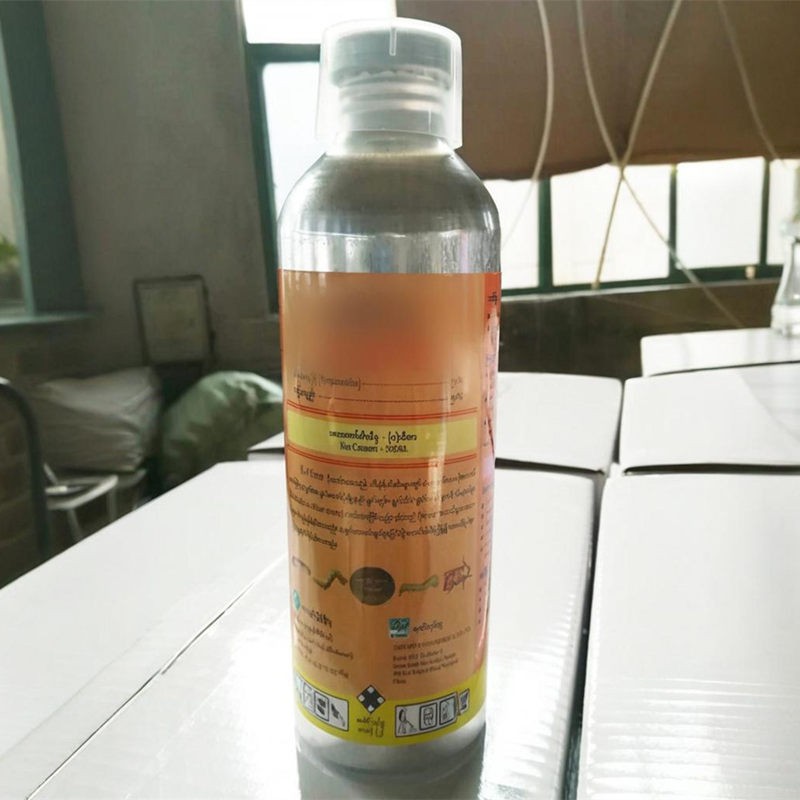
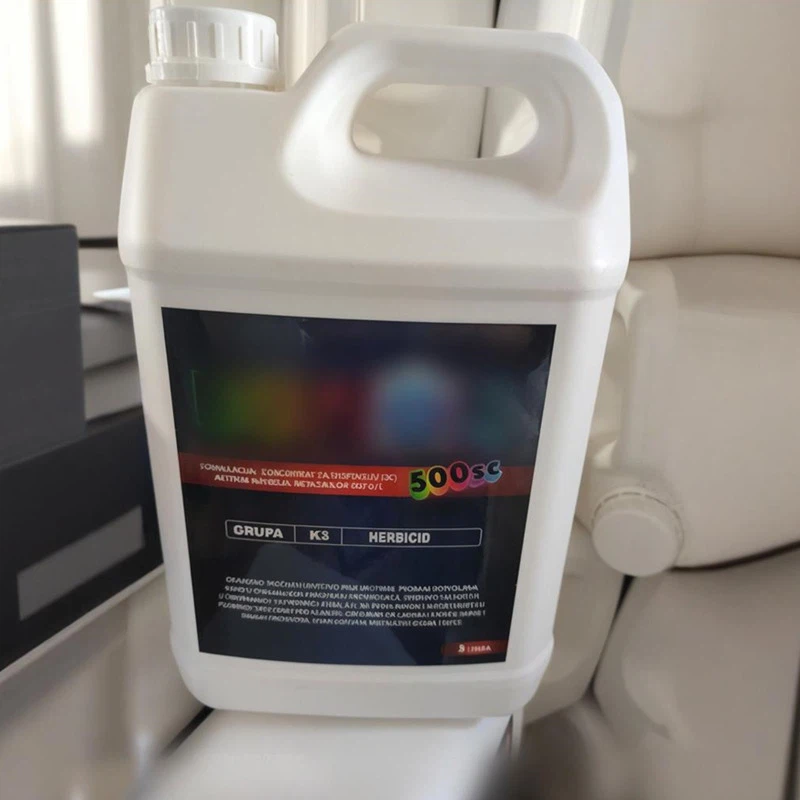
As a supplier, we take pride in offering high - quality thiacloprid products. Our Thiacloprid 240G/L OD is formulated to provide effective pest control while being safe for the environment and non - target organisms when used as directed. We've conducted extensive research and testing to ensure that our products meet the highest standards.

Contact Us for Procurement
If you're interested in purchasing thiacloprid for your agricultural needs, we'd love to hear from you. Whether you're a small - scale farmer or a large agricultural business, we can provide you with the right products and advice on dosage. Just reach out to us, and we'll be happy to assist you in finding the best solution for your pest control problems.
References
- Pesticide Manual. A comprehensive guide to pesticides, their uses, and dosages.
- Agricultural Extension Services. Local extension offices often provide information on pesticide use and dosage for specific crops and pests.