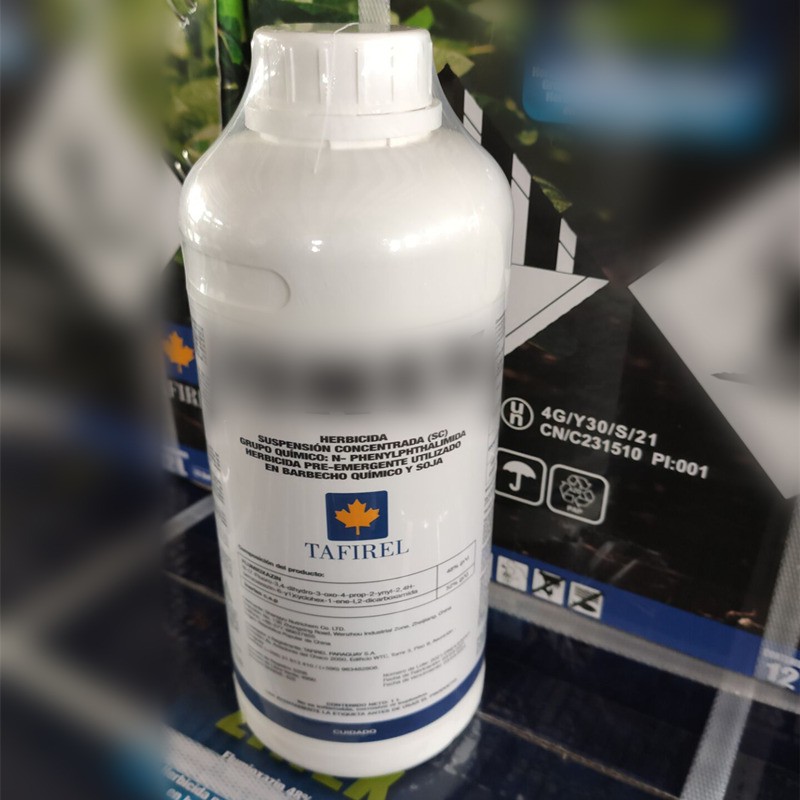
Hey there! I'm a supplier of pyroxsulam, and I often get asked this burning question: "Is pyroxsulam safe for the environment?" Well, let's dive right into it and explore this topic from different angles.
First off, what the heck is pyroxsulam? Pyroxsulam is a herbicide that's been used in agriculture for quite some time now. It belongs to the sulfonylaminocarbonyltriazolinone family of herbicides. Its main job is to control a wide range of grass and broad - leaf weeds in cereal crops. You know, those pesky weeds can really mess up a farmer's yield, so having a reliable herbicide like pyroxsulam is a game - changer.
Now, let's talk about its environmental impact. When it comes to any chemical used in the environment, there are always concerns, and that's completely valid. But pyroxsulam has been through a bunch of scientific studies and regulatory reviews to assess its safety.
One of the key factors in determining environmental safety is how long a chemical stays in the environment. Pyroxsulam has a relatively short half - life in soil under normal conditions. The half - life is basically the time it takes for half of the chemical to break down. Short half - lives are generally a good thing because it means the chemical isn't hanging around in the soil for an extended period, which reduces the risk of bioaccumulation. Bioaccumulation is when a chemical builds up in the bodies of organisms over time, and that can lead to all sorts of problems further up the food chain.
But what about its impact on water? Well, pyroxsulam has low solubility in water. This is an important characteristic because it means that when it rains, it's less likely to leach into groundwater or run off into nearby water bodies. And let's face it, protecting our water sources is crucial. If a herbicide were to contaminate water, it could harm aquatic life, including fish, amphibians, and invertebrates.

Another aspect to consider is its effect on non - target plants and animals. Pyroxsulam is designed to be selective, which means it targets specific types of weeds while leaving the cereal crops relatively unharmed. This selectivity also extends to non - target organisms. For example, it has a low toxicity to birds and mammals when used according to the label instructions. Of course, as with any chemical, if misused, it could potentially cause problems, but the same is true for many household products.
When used in combination with other herbicides, pyroxsulam can be even more effective. Take Pyroxsulam 100G/L + Florasulam 75G/L SC. This formulation is a great example of how combining chemicals can enhance weed control while still maintaining environmental safety. The two active ingredients work together to target a broader spectrum of weeds, reducing the overall need for multiple applications of different herbicides.
However, it's not all sunshine and rainbows. There are still some potential risks associated with pyroxsulam. For instance, in high doses, it could have an impact on soil microorganisms. These microorganisms play a vital role in soil health, as they help with nutrient cycling and decomposition. To minimize this risk, farmers and applicators need to follow the recommended dosage and application methods.
Climate also plays a role in the environmental fate of pyroxsulam. In warmer climates, the degradation of the herbicide might be faster compared to cooler regions. This means that the environmental impact can vary depending on where it's being used. Additionally, soil type matters. Soils with different textures and organic matter contents can affect how pyroxsulam behaves. For example, in sandy soils, there might be a higher risk of leaching compared to clayey soils.
Regulatory bodies around the world have strict guidelines for the use of pyroxsulam. These guidelines are in place to ensure that it's used in a way that minimizes environmental harm. Before a herbicide like pyroxsulam can be sold on the market, it has to go through a rigorous approval process. This includes studies on its toxicity, environmental fate, and efficacy.
So, is pyroxsulam safe for the environment? The answer is a bit complicated. When used correctly, following all the label instructions and regulatory guidelines, pyroxsulam can be a relatively safe option for weed control in cereal crops. It has a number of features that work in its favor, such as its short half - life, low water solubility, and selectivity. However, like any chemical, it's not without its potential risks.
If you're a farmer or someone involved in agriculture and you're considering using pyroxsulam, I'd be more than happy to chat with you. I can provide you with all the information you need about the product, including its proper use and safety precautions. Whether you're interested in the Pyroxsulam 100G/L + Florasulam 75G/L SC or other pyroxsulam - based products, we can have a discussion about which one is the best fit for your needs.
Feel free to reach out to me if you have any questions or want to start a procurement discussion. I'm here to help you make an informed decision and ensure that your farming operations are both productive and environmentally responsible.
References
- Peer - reviewed scientific studies on the environmental fate of pyroxsulam
- Regulatory documents from environmental protection agencies regarding the approval of pyroxsulam
- Product labels and safety data sheets for pyroxsulam - containing herbicides