Hey there! As a tebuconazole supplier, I often get asked about the effectiveness of tebuconazole against black spot disease. So, I thought I'd dive into this topic and share some insights based on scientific research and real - world experience.
First off, let's talk about what black spot disease is. Black spot is a common and troublesome fungal disease that affects a wide range of plants, especially roses. It's caused by the fungus Diplocarpon rosae. You can recognize it by the characteristic black or dark brown spots that appear on the leaves of infected plants. As the disease progresses, the leaves may turn yellow and eventually drop off. This not only makes the plants look unsightly but also weakens them, reducing their overall health and ability to produce flowers.
Now, let's get to the main question: Is tebuconazole effective against black spot disease? The short answer is yes, and here's why.
Tebuconazole belongs to the triazole class of fungicides. These fungicides work by inhibiting the synthesis of ergosterol, a key component of the fungal cell membrane. Without ergosterol, the fungal cell membrane becomes unstable, and the fungus can't grow and reproduce properly. In the case of black spot disease, tebuconazole can prevent the fungus from spreading and can even kill existing fungal colonies on the plant.
Numerous scientific studies have shown the efficacy of tebuconazole against black spot. For example, in field trials conducted on rose plants, applications of tebuconazole - based fungicides significantly reduced the incidence and severity of black spot compared to untreated plants. The active ingredient was able to penetrate the plant tissue and provide long - lasting protection against the fungus.
One of the great things about tebuconazole is its systemic action. When applied to the plant, it is absorbed and translocated throughout the plant's vascular system. This means that it can reach parts of the plant that are difficult to spray directly, like the undersides of leaves and new growth. So, even if you miss a few spots during application, the tebuconazole can still protect the entire plant.
Another advantage is its broad - spectrum activity. While we're mainly talking about black spot disease here, tebuconazole can also control other fungal diseases such as powdery mildew, rusts, and scabs. This makes it a versatile tool for plant disease management.
However, it's important to note that the effectiveness of tebuconazole can be influenced by several factors.
Timing of application is crucial. For black spot disease, it's best to start applying tebuconazole preventively, before the disease appears. Once the disease is well - established, it may be more difficult to control, although tebuconazole can still help to slow down its progression. Regular applications are also necessary, especially during periods of high disease pressure, such as warm and humid weather.

The rate of application also matters. Using too little tebuconazole may not provide adequate control, while using too much can be wasteful and may even cause phytotoxicity (damage to the plant). It's important to follow the label instructions carefully to ensure the correct dosage.
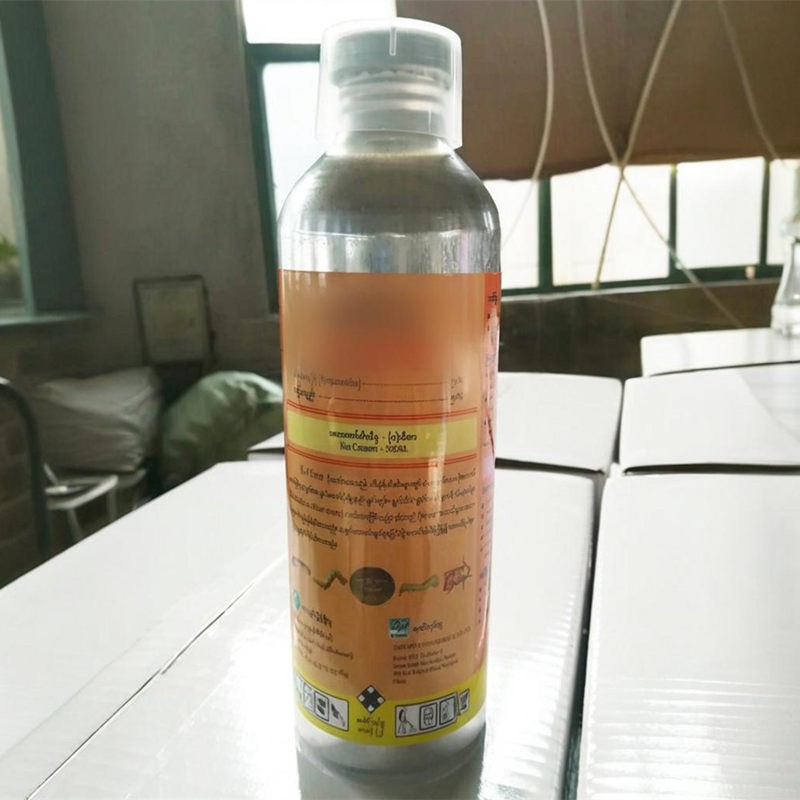
Now, let's talk about a specific product that combines tebuconazole with another effective fungicide. Check out Prothioconazole 200 G/L + Tebuconazole 200G/L FS. This formulation combines the power of tebuconazole with prothioconazole, another triazole fungicide. The combination can provide even better control of black spot disease and other fungal pathogens. The two active ingredients work synergistically, meaning they enhance each other's effectiveness.
In real - world scenarios, farmers and gardeners who have used this combination product have reported excellent results. They've seen a significant reduction in black spot on their rose bushes, as well as improved plant health and more abundant flowering.
But remember, no fungicide is a magic bullet. Good cultural practices are also essential for managing black spot disease. This includes proper plant spacing to allow for good air circulation, regular pruning to remove infected leaves and branches, and keeping the foliage dry by watering at the base of the plant rather than from above.
In conclusion, tebuconazole is a highly effective tool for controlling black spot disease. Its systemic action, broad - spectrum activity, and proven efficacy in scientific studies make it a top choice for plant disease management. And when combined with other fungicides like in the Prothioconazole 200 G/L + Tebuconazole 200G/L FS product, it can offer even better protection.
If you're dealing with black spot disease or other fungal problems in your plants, I encourage you to consider using tebuconazole. Whether you're a large - scale farmer or a home gardener, we have the right tebuconazole products to meet your needs. Don't hesitate to reach out if you have any questions or if you're interested in purchasing tebuconazole for your plant protection needs. Let's work together to keep your plants healthy and thriving!
References:
- Scientific studies on the efficacy of tebuconazole against fungal diseases in horticultural crops.
- Field trial reports on the use of tebuconazole - based fungicides for black spot control on roses.