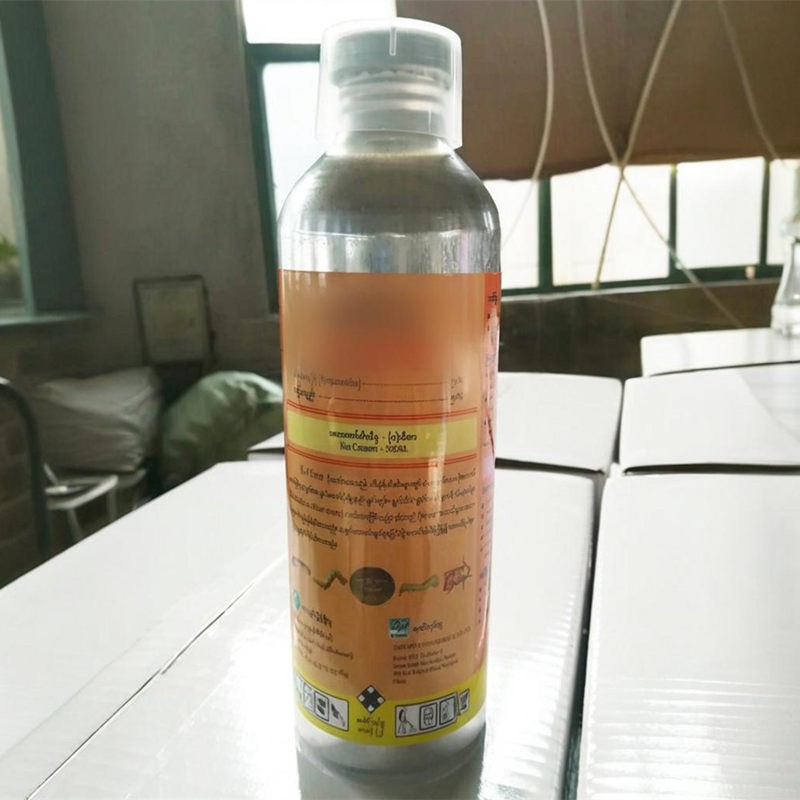
Imidacloprid, a widely used neonicotinoid insecticide, has sparked significant debate in recent years due to its potential impact on the biodiversity of an area. As a supplier of imidacloprid, including the Imidacloprid 350G/L SC, I am well - placed to discuss both the benefits and concerns associated with this product in relation to biodiversity.
1. What is Imidacloprid?
Imidacloprid belongs to the class of neonicotinoid insecticides. It was first introduced in the 1990s and quickly became popular due to its high efficacy against a wide range of pests, including aphids, whiteflies, and beetles. Neonicotinoids work by binding to nicotinic acetylcholine receptors in the nervous systems of insects. This binding disrupts the normal functioning of the nervous system, leading to paralysis and eventually death.

One of the key advantages of imidacloprid is its systemic nature. When applied to soil or seeds, it can be taken up by plants and transported throughout their tissues. This means that insects that feed on any part of the treated plant will be exposed to the insecticide, providing long - term protection against pests.
2. Positive Impact on Biodiversity in an Indirect Way
In agricultural settings, imidacloprid can have a positive impact on biodiversity by protecting crops from pests. When crops are severely damaged by pests, the overall productivity of the farm can decline. This may lead to farmers using more intensive agricultural practices, such as clear - cutting more natural areas to expand their farmland or using higher doses of other, potentially more harmful, pesticides.
By using imidacloprid to control pests effectively, farmers can maintain high yields with less land use and fewer alternative pesticides. This can help preserve natural habitats that would otherwise be converted for agriculture, thus indirectly protecting the biodiversity of wild plants and animals that rely on these habitats. For example, in some regions, the use of imidacloprid on cotton crops has reduced the pressure on adjacent natural forests from being cleared for cotton cultivation.
3. Negative Impact on Biodiversity
3.1 Effects on Pollinators
One of the most well - documented negative impacts of imidacloprid is on pollinators, especially bees. Bees play a crucial role in the pollination of a large number of plant species, both in agricultural and natural ecosystems. When bees are exposed to imidacloprid, it can affect their behavior, foraging ability, and homing ability.
Studies have shown that sublethal doses of imidacloprid can impair the learning and memory of bees. This means that bees may have difficulty finding food sources or returning to their hives. In addition, chronic exposure to imidacloprid can weaken the immune systems of bees, making them more susceptible to diseases and parasites. A decline in bee populations can have a cascading effect on the ecosystem, as many plants rely on bees for pollination. This can lead to a decrease in the production of fruits, seeds, and nuts, which in turn affects the food sources of other animals.
3.2 Effects on Aquatic Organisms
Imidacloprid can also enter aquatic ecosystems through runoff from agricultural fields or improper disposal. Once in the water, it can be toxic to a variety of aquatic organisms, including fish, amphibians, and invertebrates.
For fish, imidacloprid exposure can affect their growth, development, and behavior. In some cases, it can cause oxidative stress and damage to internal organs. Amphibians, which have a semi - permeable skin and are particularly sensitive to environmental contaminants, can also be harmed by imidacloprid. It can disrupt their hormonal balance and development, leading to reduced survival rates and abnormal development. Aquatic invertebrates, such as water fleas and mayflies, are often at the base of the food chain in aquatic ecosystems. A decline in their populations due to imidacloprid exposure can have far - reaching consequences for the entire ecosystem.
3.3 Effects on Soil Organisms
Soil is a complex ecosystem that is home to a vast number of organisms, including earthworms, bacteria, and fungi. Imidacloprid can have negative impacts on these soil organisms. Earthworms, for example, are important for soil aeration and nutrient cycling. When exposed to imidacloprid, earthworms can experience reduced growth, reproduction, and avoidance behavior. This can disrupt the normal functioning of the soil ecosystem, affecting plant growth in the long term.
4. Mitigating the Negative Impact
As a supplier of imidacloprid, I understand the importance of minimizing its negative impact on biodiversity. There are several strategies that can be employed to achieve this:
4.1 Proper Application
Ensuring that imidacloprid is applied correctly is crucial. This includes following the recommended dosage, application methods, and timing. Over - application of imidacloprid not only increases the risk of environmental contamination but also may select for pest resistance. Timing the application to avoid periods when pollinators are most active can also reduce the exposure of bees and other beneficial insects.
4.2 Integrated Pest Management (IPM)
Integrated Pest Management combines different pest control methods, including biological control, cultural practices, and the judicious use of pesticides. By using imidacloprid as part of an IPM program, farmers can reduce the overall reliance on pesticides. For example, introducing natural predators of pests, such as ladybugs to control aphids, can complement the use of imidacloprid and reduce the amount of the insecticide needed.
4.3 Buffer Zones
Creating buffer zones between treated areas and natural habitats, water bodies, or areas with high pollinator activity can help prevent the spread of imidacloprid. These buffer zones can absorb and filter the insecticide, reducing its concentration in the environment.
5. Conclusion
The impact of imidacloprid on the biodiversity of an area is a complex issue. While it can provide important benefits in pest control and indirectly contribute to biodiversity conservation by reducing the need for more intensive agricultural practices, it also poses significant risks to pollinators, aquatic organisms, and soil organisms.
As a supplier, I am committed to promoting the responsible use of imidacloprid. We work closely with farmers and other users to ensure that the product is used in a way that maximizes its benefits while minimizing its negative impact on the environment.
If you are interested in learning more about our Imidacloprid 350G/L SC or discussing potential purchasing opportunities, I encourage you to contact us for a detailed discussion. We can provide you with more information on product specifications, usage guidelines, and how to use imidacloprid in an environmentally friendly way.
References
- Blacquière, T., Smagghe, G.,van Gestel, C. A. M., &Mommaerts, V. (2012). Neonicotinoids in bees: a review on concentrations, side - effects and risk assessment. Ecotoxicology, 21(7), 973 - 992.
- Pisa, L., Minneo, M., Tapparo, A., & Nazzi, F. (2015). Sub - lethal effects of imidacloprid on honeybee colonies: a field approach. Scientific Reports, 5, 1 - 11.
- Main, J. A., Beasley, V. R., &Perry, M. J. (2014). Toxicity of the neonicotinoid insecticides imidacloprid, thiacloprid, and acetamiprid to juvenile bluegill sunfish (Lepomis macrochirus). Environmental Toxicology, 29(6), 635 - 642.
- Edwards, C. A., & Bohlen, P. J. (1992). Biology and ecology of earthworms. Chapman and Hall.