As a carboxin supplier, I am often asked about the advantages of carboxin over other pesticides. In this blog post, I will delve into the unique features and benefits that set carboxin apart from its counterparts in the market.
1. High - Specificity Targeting
Carboxin is a systemic fungicide that specifically targets basidiomycete fungi. This group of fungi is responsible for many devastating plant diseases, such as smuts, rusts, and bunts. Unlike some broad - spectrum pesticides that can kill a wide range of organisms (both beneficial and harmful), carboxin zeroes in on these basidiomycetes. This high - specificity means that it can be used with precision, minimizing the impact on non - target organisms in the ecosystem.
For example, in wheat fields, carboxin can effectively control diseases like wheat loose smut caused by Ustilago tritici. By precisely targeting the basidiomycete fungus, it prevents the spread of the disease while leaving the beneficial soil microorganisms, such as nitrogen - fixing bacteria, unharmed. This is crucial for maintaining a healthy soil ecosystem that can support optimal plant growth over the long term.
2. Systemic Action
One of the most significant advantages of carboxin is its systemic action. Once applied to plants or seeds, carboxin is absorbed and translocated within the plant tissues. This allows it to reach all parts of the plant, including new growth, providing comprehensive protection against fungal infections.
When used as a seed treatment, carboxin is taken up by the germinating seed and then distributed throughout the developing plant. This early protection is vital as it guards the plant from the very beginning of its growth cycle. For instance, in corn production, treating seeds with carboxin can protect the young seedlings from diseases like corn smut (Ustilago maydis). The systemic nature of carboxin ensures that as the corn plant grows, it remains protected from the inside out, reducing the risk of infection even in the presence of high fungal inoculum in the soil.
3. Long - Lasting Protection
Another benefit of carboxin is its ability to provide long - lasting protection. After application, carboxin remains active in the plant for an extended period. This is in contrast to some other pesticides that may require frequent re - applications due to their short residual activity.
The long - lasting protection of carboxin is particularly advantageous in agricultural settings where crops are vulnerable to fungal diseases throughout the growing season. For example, in fruit orchards, a single application of carboxin can protect the trees from certain basidiomycete - related diseases for several weeks. This reduces the labor and cost associated with repeated pesticide applications, making it a more cost - effective solution for farmers.
4. Compatibility with Other Pesticides
Carboxin is highly compatible with many other pesticides, including insecticides and fungicides. This compatibility allows for the formulation of combination products that can address multiple pest and disease problems simultaneously.
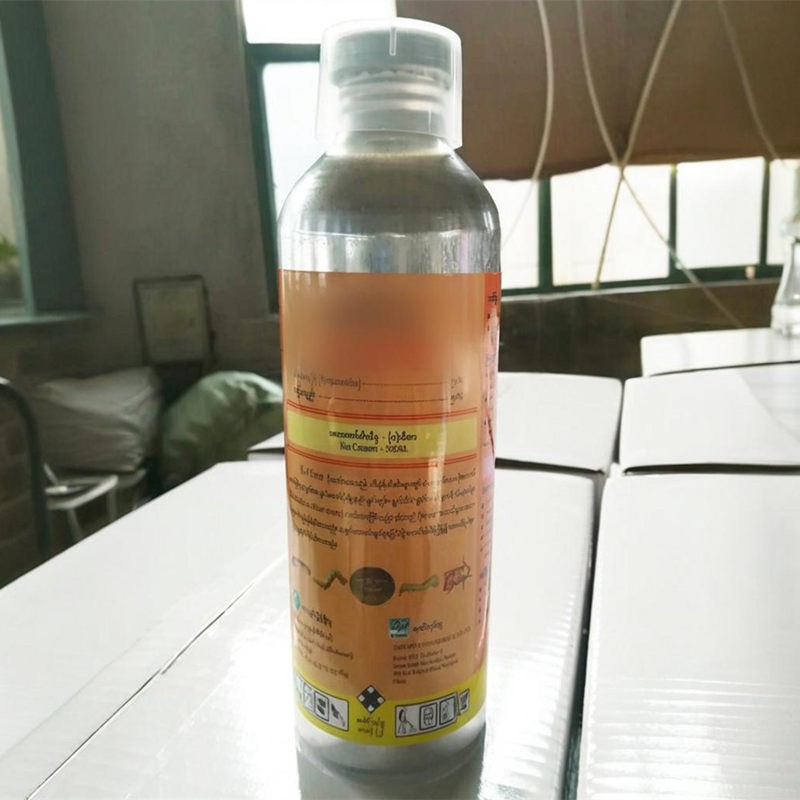
One such example is the Carboxin 100G/L + Thiram 100G/L SC. Thiram is a broad - spectrum fungicide that can control a variety of fungal pathogens, while carboxin targets basidiomycetes. The combination of these two active ingredients in a single formulation provides enhanced protection against a wider range of diseases. This not only simplifies the pest management process for farmers but also ensures more comprehensive disease control.
5. Low Toxicity to Mammals
Compared to some other pesticides, carboxin has relatively low toxicity to mammals. This is an important consideration from both an environmental and human safety perspective. When handling and using carboxin, the risk of acute and chronic toxicity to workers is relatively low, provided that proper safety precautions are followed.
In addition, the low mammalian toxicity of carboxin also means less risk of secondary poisoning to non - target animals that may feed on treated plants or in the treated areas. This makes carboxin a more environmentally friendly option compared to some highly toxic pesticides that can pose significant risks to wildlife and humans.
6. Resistance Management
In modern agriculture, resistance management is a critical issue. Pests and diseases can develop resistance to pesticides over time, rendering them less effective. Carboxin offers an advantage in this regard. Its unique mode of action provides a different mechanism for controlling fungal diseases compared to many other pesticides.
By including carboxin in a pest management program, farmers can rotate different pesticides with different modes of action. This rotation strategy helps to delay the development of resistance in fungal populations. For example, if a particular fungal pathogen has started to show resistance to a commonly used fungicide, switching to carboxin can be an effective way to regain control of the disease.
Potential Applications and Market Demand
The unique advantages of carboxin make it a versatile and valuable product in the agricultural market. It can be used in a wide range of crops, including cereals (wheat, barley, corn), oilseeds (soybean, rapeseed), and fruits.
In regions where basidiomycete - related diseases are prevalent, the demand for carboxin is high. For example, in the wheat - growing regions of North America and Europe, carboxin is widely used as a seed treatment to protect against wheat rusts and smuts. In the Asia - Pacific region, with its large rice and corn cultivation areas, carboxin also has significant market potential for controlling similar fungal diseases.
Contact Us for Procurement
Given the numerous advantages of carboxin over other pesticides, it is a smart choice for farmers and agricultural businesses looking for effective, safe, and sustainable pest management solutions. If you are interested in purchasing carboxin products, whether for small - scale farm trials or large - scale commercial use, I encourage you to contact us for a detailed discussion. We can provide you with more information about our product range, pricing, and delivery options.

References
- Crop Protection Handbook Edition [Year], Published by [Publisher Name].
- Scientific article: "The Efficacy of Carboxin in Controlling Basidiomycete Fungi in Agricultural Crops", [Author Name], [Journal Name], [Year].
- Whitepaper: "Resistance Management Strategies in Agriculture with the Use of Carboxin", [Institution Name], [Year].