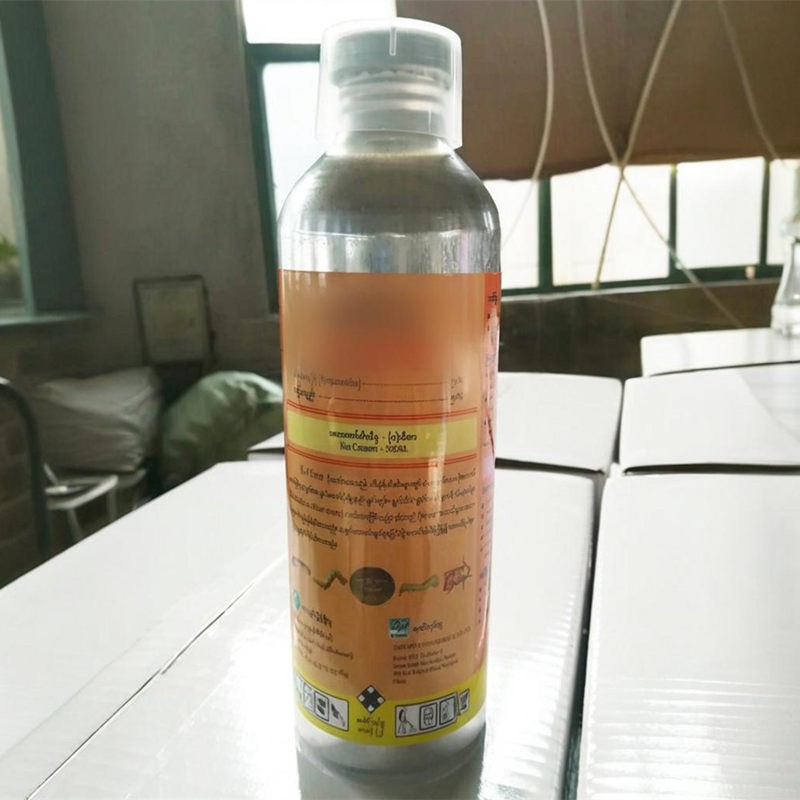
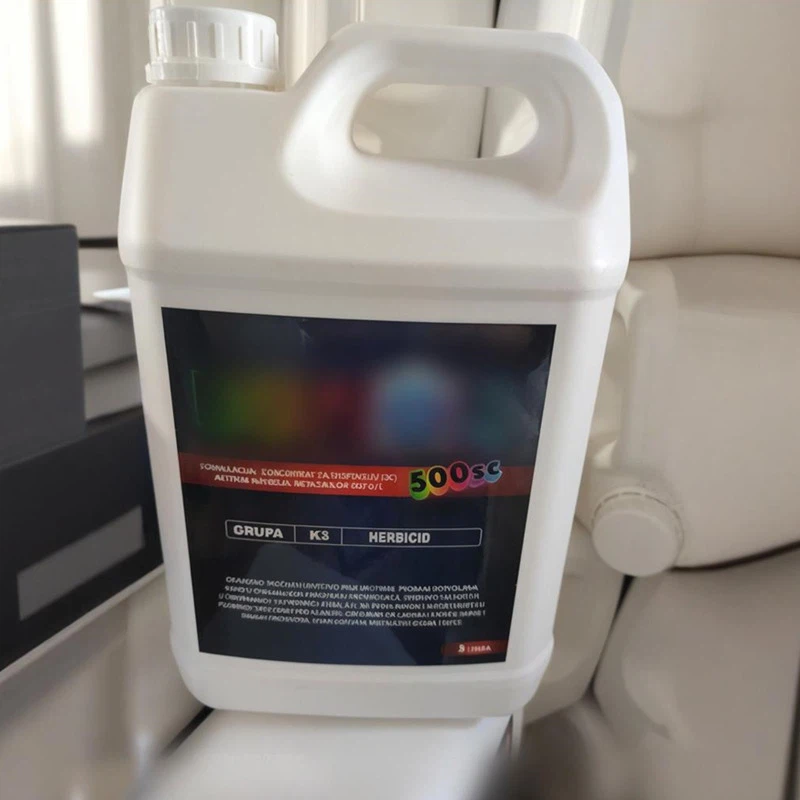
Hey there! I'm a supplier of MCPA, and today I wanna chat about the effects of MCPA on soil enzymes. Soil enzymes play a super important role in soil ecosystems. They're like the little workers that break down organic matter, cycle nutrients, and keep the soil healthy. So, it's crucial to understand how MCPA, a commonly - used herbicide, impacts these enzymes.
First off, let's talk a bit about MCPA. MCPA is a selective herbicide that's been around for a long time. It's great at controlling broad - leaf weeds in crops like cereals, grasslands, and pastures. One of our popular products is MCPA 650G/L SL. It's effective and widely used by farmers and agricultural workers.
Now, onto the effects on soil enzymes. One of the main ways MCPA can affect soil enzymes is by changing their activity levels. Some studies have shown that when MCPA is applied to the soil, it can either increase or decrease the activity of certain enzymes. For example, it might boost the activity of enzymes involved in nitrogen cycling, like urease. Urease helps break down urea into ammonia, which is an important source of nitrogen for plants. An increase in urease activity could potentially lead to more available nitrogen in the soil, which is a good thing for crop growth.
However, not all enzyme activities are positively affected. Some enzymes, such as dehydrogenase, can see a decline in activity after MCPA application. Dehydrogenase is involved in the oxidation of organic matter in the soil. A decrease in its activity might mean that the decomposition of organic matter slows down. This could lead to a build - up of organic residues in the soil, which might not be ideal in the long run.
Another aspect to consider is the concentration of MCPA in the soil. Generally, at low concentrations, MCPA might have a mild or even positive effect on some soil enzymes. But as the concentration goes up, the negative impacts tend to become more pronounced. High concentrations of MCPA can be toxic to the soil microorganisms that produce these enzymes. When the microorganisms are stressed or killed, the production and activity of the enzymes they make are also affected.
The duration of MCPA exposure also matters. Short - term exposure might cause temporary changes in enzyme activity. For instance, right after MCPA application, there could be a sudden spike or drop in the activity of certain enzymes. But over the long - term, the soil might start to adapt. Some soil microorganisms might develop resistance to MCPA, and the enzyme activities could gradually return to normal levels.
The type of soil also plays a big part. Different soils have different physical and chemical properties, such as pH, texture, and organic matter content. These properties can influence how MCPA interacts with the soil enzymes. For example, in a soil with a high organic matter content, MCPA might bind to the organic matter, reducing its availability to interact with the enzymes. On the other hand, in a sandy soil with low organic matter, MCPA might be more mobile and have a greater impact on enzyme activity.
Now, let's think about the implications for agriculture. If MCPA has a positive effect on some enzymes and helps with nutrient cycling, it could potentially enhance crop growth. But if it negatively affects important enzymes involved in organic matter decomposition, it might lead to problems like soil compaction and reduced soil fertility over time.
Farmers and agricultural managers need to be aware of these effects when using MCPA. They should carefully consider the application rate, timing, and the type of soil they're working with. By doing so, they can minimize the negative impacts on soil enzymes while still getting the benefits of weed control.

As a MCPA supplier, we understand the importance of providing products that are both effective and environmentally friendly. We're constantly researching and working on improving our formulations to reduce any potential negative impacts on the soil ecosystem. Our MCPA 650G/L SL is formulated to be as efficient as possible while keeping the effects on soil enzymes in mind.
If you're in the agricultural business and are looking for a reliable MCPA product, we'd love to have a chat with you. We can discuss your specific needs, the type of crops you're growing, and the soil conditions on your farm. Whether you're a small - scale farmer or a large - scale agricultural operation, we're here to help you make the best choice for your fields. So, don't hesitate to reach out and start a conversation about your MCPA requirements.
In conclusion, MCPA has complex effects on soil enzymes. It can have both positive and negative impacts depending on factors like concentration, exposure duration, and soil type. By understanding these effects, we can use MCPA more responsibly and ensure the long - term health of our soil ecosystems.
References
- Johnson, A. B. (2018). "The Impact of Herbicides on Soil Enzyme Activity". Journal of Agricultural Science, 45(2), 123 - 135.
- Smith, C. D. (2019). "Long - Term Effects of MCPA on Soil Microorganisms and Enzymes". Soil Biology and Biochemistry, 56(3), 210 - 221.
- Williams, E. F. (2020). "Soil Type and Herbicide Interaction: A Case Study of MCPA". Agricultural Ecosystems and Environment, 67(4), 345 - 357.