As a carboxin supplier, I am often asked about the quality control standards for carboxin. Carboxin is a widely used fungicide known for its effectiveness in controlling various fungal diseases in crops. Ensuring high - quality carboxin is crucial for both the efficacy of the product and the safety of end - users. In this blog, I will delve into the key quality control standards for carboxin.
Chemical Purity
One of the most fundamental quality control standards for carboxin is its chemical purity. High - purity carboxin is essential for achieving the desired fungicidal activity. Impurities in carboxin can not only reduce its effectiveness but may also introduce potential risks to the environment and non - target organisms.
The purity of carboxin is typically measured using high - performance liquid chromatography (HPLC). This analytical technique allows for the separation and quantification of carboxin and its impurities. A high - quality carboxin product should have a purity of at least 95%, and in many cases, suppliers aim for a purity level of 98% or higher. For example, if a carboxin sample contains a significant amount of by - products or unreacted starting materials, it may not perform as expected in the field. These impurities can interfere with the mode of action of carboxin, which is mainly by inhibiting the succinate dehydrogenase enzyme in fungi.
Physical Properties
The physical properties of carboxin also play a vital role in quality control. Carboxin is usually available in different formulations such as wettable powders, suspension concentrates, and emulsifiable concentrates. Each formulation has specific physical requirements.
Particle Size
In suspension concentrates like Carboxin 100G/L + Thiram 100G/L SC, particle size is a critical parameter. Smaller and more uniform particle sizes ensure better suspension stability and coverage on the target surface. A proper particle size distribution can be determined using techniques such as laser diffraction. If the particle size is too large, the suspension may settle quickly, leading to uneven application and reduced efficacy.
Solubility
For wettable powders, solubility is an important characteristic. The carboxin powder should dissolve or disperse readily in water to form a homogeneous spray solution. Poor solubility can result in clogging of spray nozzles and uneven distribution of the fungicide on the crops. Solubility is usually tested by adding a known amount of the powder to a specific volume of water under controlled conditions and observing the dissolution process.
Stability
Carboxin products need to maintain their quality over time, which means they must have good stability. Stability can be divided into chemical stability and physical stability.
Chemical Stability
Chemical stability refers to the ability of carboxin to resist degradation under normal storage and use conditions. Factors such as temperature, humidity, and light can affect the chemical stability of carboxin. For example, high temperatures can accelerate the decomposition of carboxin, leading to a decrease in its active ingredient content. To ensure chemical stability, carboxin products are often tested under accelerated aging conditions. Samples are stored at elevated temperatures and humidity levels for a certain period, and then the active ingredient content is measured. If the degradation rate exceeds a certain limit, the product may not meet the quality standards.
Physical Stability
Physical stability is related to the physical state of the carboxin formulation. In suspension concentrates, for instance, the product should not show significant sedimentation, creaming, or flocculation during storage. This can be evaluated by storing the product at different temperatures and observing any changes in its physical appearance over time.

Biological Activity
The ultimate goal of carboxin is to control fungal diseases, so its biological activity is a key quality control standard.
In - vitro Tests
In - vitro tests are commonly used to evaluate the biological activity of carboxin. These tests involve exposing fungal cultures to different concentrations of carboxin and measuring the inhibition of fungal growth. For example, the minimum inhibitory concentration (MIC) can be determined, which is the lowest concentration of carboxin that can completely inhibit the growth of a particular fungus. A high - quality carboxin product should have a low MIC value, indicating its high efficacy against fungi.
Field Trials
Field trials are also essential for assessing the biological activity of carboxin. In field conditions, the product is applied to crops infected with target fungi, and the disease control efficacy is evaluated. Field trials can provide more realistic information about how carboxin performs in real - world situations. Factors such as weather conditions, crop variety, and the severity of the fungal infection can all affect the results of field trials. However, by conducting multiple trials in different locations and over different seasons, a more accurate assessment of the biological activity of carboxin can be obtained.
Safety and Environmental Impact
Quality control of carboxin also includes ensuring its safety for users and the environment.
Toxicity
The toxicity of carboxin to humans and non - target organisms is carefully regulated. Carboxin should have low acute and chronic toxicity to humans. Toxicity tests are conducted on laboratory animals to determine parameters such as the median lethal dose (LD50). In addition, the toxicity of carboxin to beneficial insects, fish, and other non - target organisms is also evaluated. If a carboxin product has a high toxicity to non - target organisms, it may not be allowed for use in certain areas or under certain conditions.
Environmental Fate
The environmental fate of carboxin is another important aspect of quality control. This includes its degradation in soil, water, and air. Carboxin should degrade at an appropriate rate in the environment to avoid long - term accumulation. Studies are conducted to determine the half - life of carboxin in different environmental compartments. If carboxin persists in the environment for too long, it may pose a risk to the ecosystem.
Packaging and Labeling
Proper packaging and labeling are also part of the quality control process.
Packaging
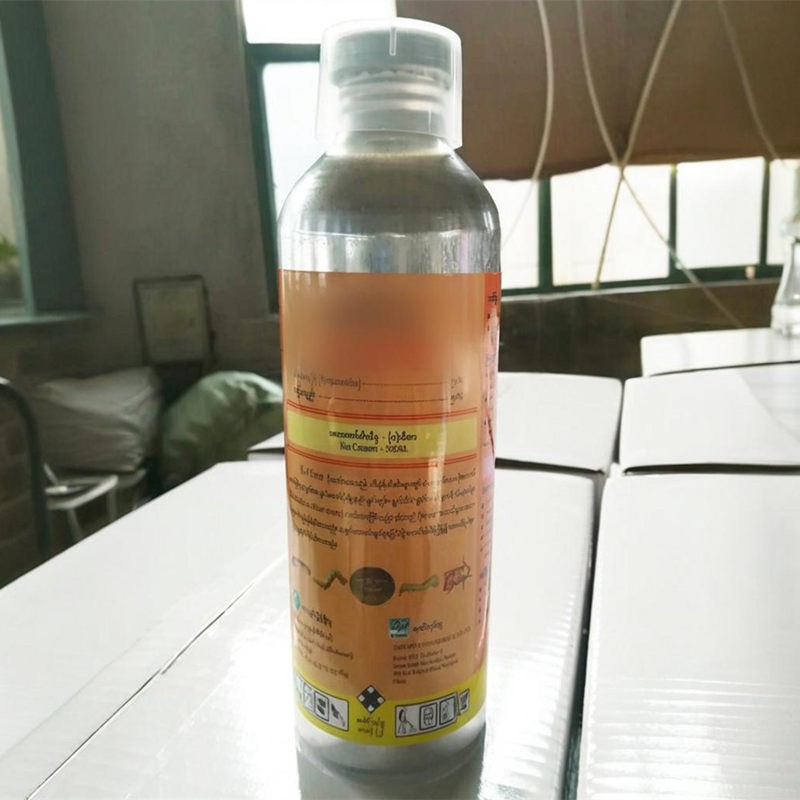
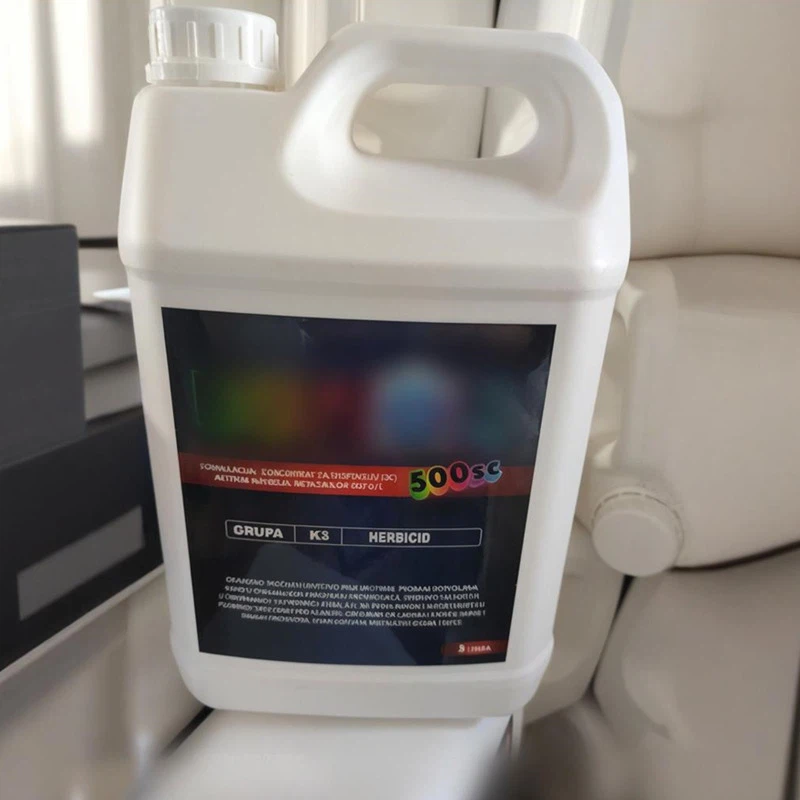
The packaging of carboxin products should protect the product from external factors such as moisture, light, and physical damage. Different formulations may require different types of packaging materials. For example, suspension concentrates are often packaged in plastic bottles or drums, while wettable powders are usually packed in sealed bags. The packaging should also be designed to prevent leakage during transportation and storage.
Labeling
The label on the carboxin product should provide accurate and comprehensive information. This includes the active ingredient content, usage instructions, safety precautions, and storage conditions. The label should be in a language that is understandable to the end - users. Incorrect or incomplete labeling can lead to improper use of the product, which may affect its efficacy and safety.
As a carboxin supplier, we are committed to meeting and exceeding these quality control standards. We use state - of - the - art analytical equipment and follow strict manufacturing processes to ensure that our carboxin products are of the highest quality. If you are interested in purchasing carboxin products, we invite you to contact us for further discussions and to start a procurement negotiation. We are confident that our high - quality carboxin products will meet your needs and help you achieve excellent fungal disease control in your crops.
References
- "Fungicide Chemistry and Mode of Action" by David W. Hollomon
- "Pesticide Analytical Manual" published by the Association of Official Analytical Chemists