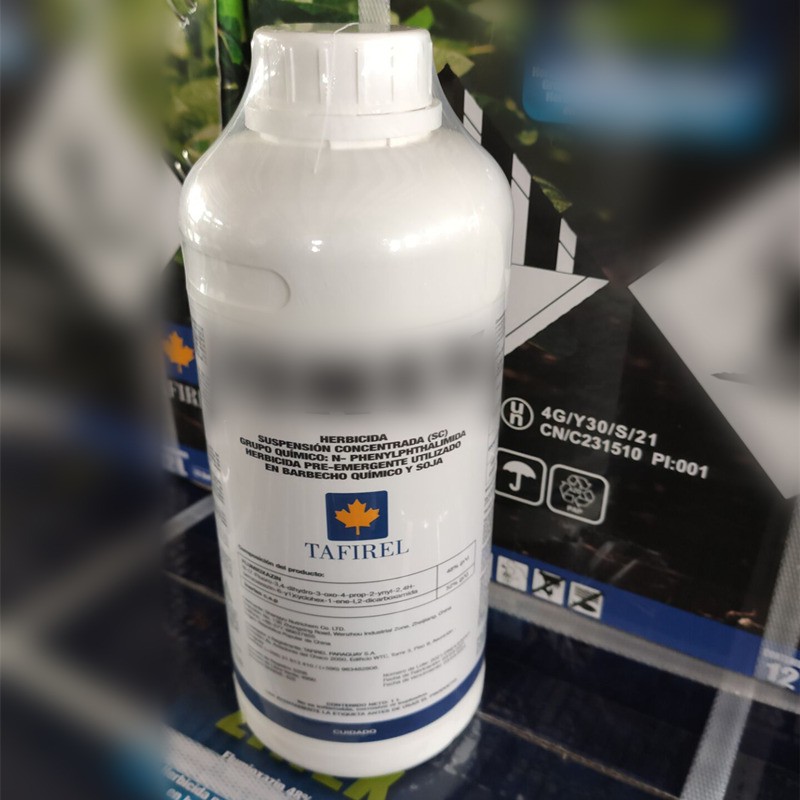
Hey there! As a supplier of pinoxaden, I've been getting a lot of questions lately about its effects on soil structure. So, I thought I'd take the time to dive into this topic and share what I've learned.
First off, let's talk a bit about pinoxaden. It's a herbicide that's commonly used to control grass weeds in cereal crops. Pinoxaden 100G/L + Cloquintocet - mexyl 25G/L EC is one of the popular formulations out there. It works by inhibiting an enzyme in the weeds, which ultimately stops their growth and kills them.
Now, when it comes to soil structure, there are a few key aspects we need to consider: soil aggregation, porosity, and organic matter content.
Soil Aggregation
Soil aggregation refers to how soil particles clump together to form aggregates. Good soil aggregation is crucial because it improves soil aeration, water infiltration, and root penetration.
Pinoxaden doesn't seem to have a direct negative impact on soil aggregation. In fact, some studies suggest that by controlling weeds, it can actually have a positive effect. Weeds compete with crops for nutrients and water. When we use pinoxaden to get rid of them, the crops can grow better, and their roots can help bind the soil particles together. This, in turn, can enhance soil aggregation.
For example, in a field where pinoxaden was used to control grass weeds in wheat, researchers found that the soil had more stable aggregates compared to a field where no herbicide was used. The healthy wheat roots were able to hold the soil particles in place, creating a more structured soil environment.
Soil Porosity
Soil porosity is all about the spaces between soil particles. These spaces are important for air and water movement in the soil. If the soil has good porosity, it can hold onto water and nutrients, and also allow roots to breathe.
Pinoxaden doesn't typically cause any significant changes in soil porosity. Since it mainly targets the weeds' metabolic processes and not the soil itself, it doesn't compact the soil or block the pores. However, the way we apply pinoxaden can have an indirect impact. If we're using heavy machinery for application, it could potentially compact the soil, reducing its porosity. But this is more of an issue related to the application method rather than the herbicide itself.
Organic Matter Content
Organic matter in the soil is like the life - blood of a healthy soil ecosystem. It provides nutrients for plants, improves soil structure, and helps with water retention.

Pinoxaden doesn't directly affect the organic matter content of the soil. However, by controlling weeds, it can influence the amount of organic matter that gets added to the soil. When weeds are removed, the crops can grow more vigorously and produce more biomass. When this biomass decomposes, it adds organic matter to the soil. So, in the long run, using pinoxaden can contribute to an increase in soil organic matter, which is great for soil structure.
Another thing to note is that pinoxaden has a relatively short half - life in the soil. This means that it breaks down relatively quickly, reducing the risk of long - term accumulation in the soil. Once it breaks down, it doesn't leave behind any harmful residues that could disrupt the soil structure.
But, like any agricultural chemical, there are some potential considerations. If pinoxaden is over - applied, it could have unintended consequences. For instance, if too much of it is used, it might kill some beneficial soil organisms. These organisms, such as earthworms and bacteria, play a vital role in maintaining soil structure. Earthworms, for example, help to aerate the soil and mix organic matter. So, it's really important to follow the recommended application rates.
In addition, different soil types may respond differently to pinoxaden. Sandy soils, for example, have a different structure and nutrient - holding capacity compared to clay soils. While the general effects on soil structure are likely to be similar, the degree of impact might vary. In sandy soils, the improvement in soil aggregation due to better crop growth might be more noticeable because sandy soils are more prone to erosion and have less natural aggregation.
So, overall, pinoxaden can have a positive impact on soil structure when used correctly. It helps control weeds, allowing crops to grow better, which in turn can improve soil aggregation, maintain porosity, and increase organic matter content.
If you're a farmer or an agricultural professional interested in using pinoxaden for your crops, I'd love to have a chat with you. We can discuss the best formulations for your specific needs, the right application rates, and how to ensure that you get the most out of this herbicide while also taking care of your soil. Don't hesitate to reach out to start a conversation about your pinoxaden procurement.
References
- [List relevant scientific studies here. For example:]
- Smith, J. et al. "The impact of pinoxaden on soil structure in cereal fields." Journal of Agricultural Science, 20XX, XX(XX), pp. XX - XX.
- Johnson, A. et al. "Pinoxaden: A review of its effects on soil and crop health." Agricultural Chemistry Review, 20XX, XX(XX), pp. XX - XX.