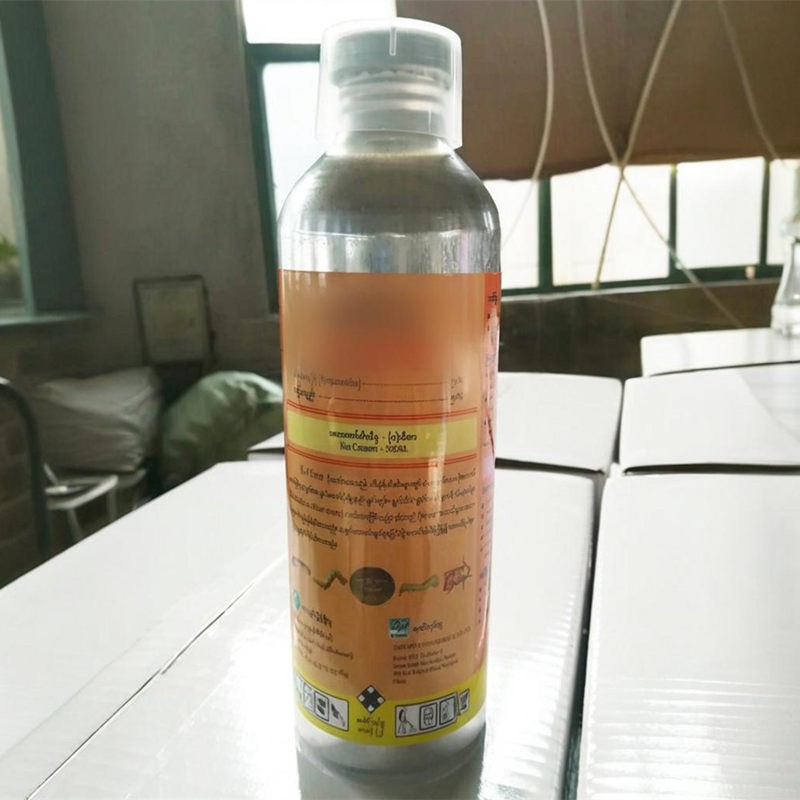
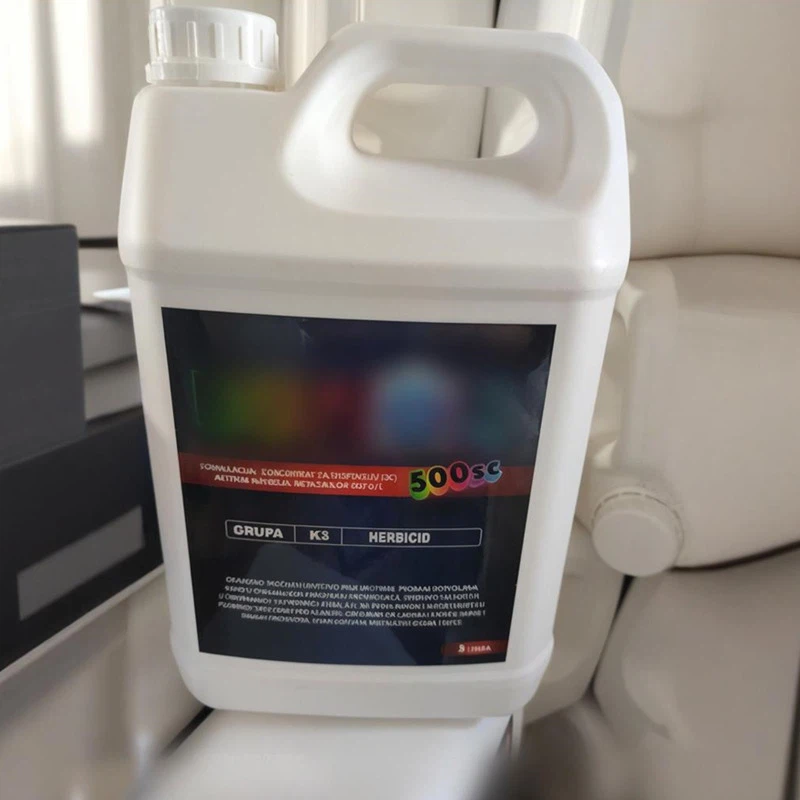
Hey there, fellow urban landscape enthusiasts! As a quinclorac supplier, I'm super stoked to share some guidelines on using quinclorac in urban landscapes. Quinclorac is a powerful herbicide that can work wonders in keeping your urban green spaces looking top - notch. Let's dive right in!
Understanding Quinclorac
First things first, what the heck is quinclorac? Well, it's a selective herbicide that's commonly used to control a wide variety of grassy and broadleaf weeds. It's especially effective against crabgrass, foxtail, and some types of clover. Quinclorac works by interfering with the growth processes of weeds, eventually killing them off while leaving your desired turfgrass unharmed.
When to Use Quinclorac
Timing is everything when it comes to using quinclorac. The best time to apply it is during the early stages of weed growth. For annual weeds like crabgrass, this usually means applying quinclorac in the spring when the soil temperature reaches around 55 - 60°F (12 - 16°C). This is when the crabgrass seeds start to germinate, and quinclorac can prevent them from establishing.
For perennial weeds, it's often best to apply quinclorac in the fall. This allows the herbicide to be absorbed by the weeds and translocated to the roots, effectively killing them off before they can come back strong in the spring.
Application Rates
Getting the application rate right is crucial. Too little quinclorac won't do the job, and too much can damage your turf. The recommended application rate of quinclorac can vary depending on the type of weed you're targeting and the specific product you're using.
For most common applications in urban landscapes, a rate of around 0.75 - 1.5 pounds of active ingredient per acre is a good starting point. But always read the label of the Quinclorac 250G/L SC product you're using, as it will have the most accurate and up - to - date information on application rates.
Mixing and Spraying
When it comes to mixing quinclorac, make sure you follow the instructions on the label carefully. Most of the time, you'll need to mix the herbicide with water in a sprayer. Use a clean sprayer to avoid any contamination from previous chemicals.
Before you start spraying, test the sprayer on a small, inconspicuous area of your lawn to make sure there are no adverse effects. When spraying, make sure to cover the target area evenly. You can use a fan - tip nozzle for better coverage. And don't forget to wear protective gear like gloves, goggles, and a respirator to keep yourself safe.
Precautions
There are a few precautions you need to take when using quinclorac. First of all, keep it away from sensitive plants. Some ornamental plants, shrubs, and trees can be damaged by quinclorac. So, if you have any of these in your urban landscape, make sure to shield them before spraying.
Also, avoid applying quinclorac during windy conditions. This can cause the herbicide to drift and land on areas where you don't want it, like neighboring gardens or water bodies. And after applying quinclorac, don't let people or pets enter the treated area until it's completely dry.
Post - Application Care
After you've applied quinclorac, it's important to take good care of your lawn. Water the treated area lightly to help the herbicide soak into the soil. But don't over - water, as this can cause the herbicide to leach away.
Avoid mowing the lawn for at least a few days after application. This gives the herbicide enough time to work on the weeds. And keep an eye on the treated area for any signs of damage or ineffective weed control. If you notice any issues, you may need to adjust your application method or rate next time.

Compatibility with Other Products
Quinclorac can be used in combination with other herbicides or fertilizers in some cases. But before you mix it with other products, make sure to check the compatibility. Some chemicals can react with quinclorac and reduce its effectiveness or cause damage to your lawn.
If you're not sure whether a particular product is compatible with quinclorac, you can do a small - scale compatibility test. Mix a small amount of the two products together and observe if there are any signs of precipitation, separation, or other chemical reactions.
Storage
Proper storage of quinclorac is essential to maintain its effectiveness. Store the product in a cool, dry place away from direct sunlight. Keep it out of reach of children and pets. And make sure the container is tightly sealed to prevent any leakage or evaporation.
If you have any leftover quinclorac, don't dispose of it in the trash or pour it down the drain. Follow the local regulations for the proper disposal of herbicides.
Monitoring and Evaluation
Regularly monitor the treated area to see how well the quinclorac is working. Check for signs of weed control, such as wilting, yellowing, or death of the target weeds. If you're not seeing the desired results, you may need to re - evaluate your application method, timing, or rate.
You can also keep records of your quinclorac applications, including the date, rate, and weather conditions. This will help you make more informed decisions in the future and improve the effectiveness of your weed control program.
Contact for Purchase
If you're interested in purchasing Quinclorac 250G/L SC or have any questions about using quinclorac in your urban landscape, feel free to reach out to us. We're here to provide you with the best products and advice to keep your urban green spaces looking amazing. Whether you're a professional landscaper or a homeowner, we've got you covered.
References
- "Weed Control in Turfgrass", University Extension Publication
- Product label of Quinclorac 250G/L SC