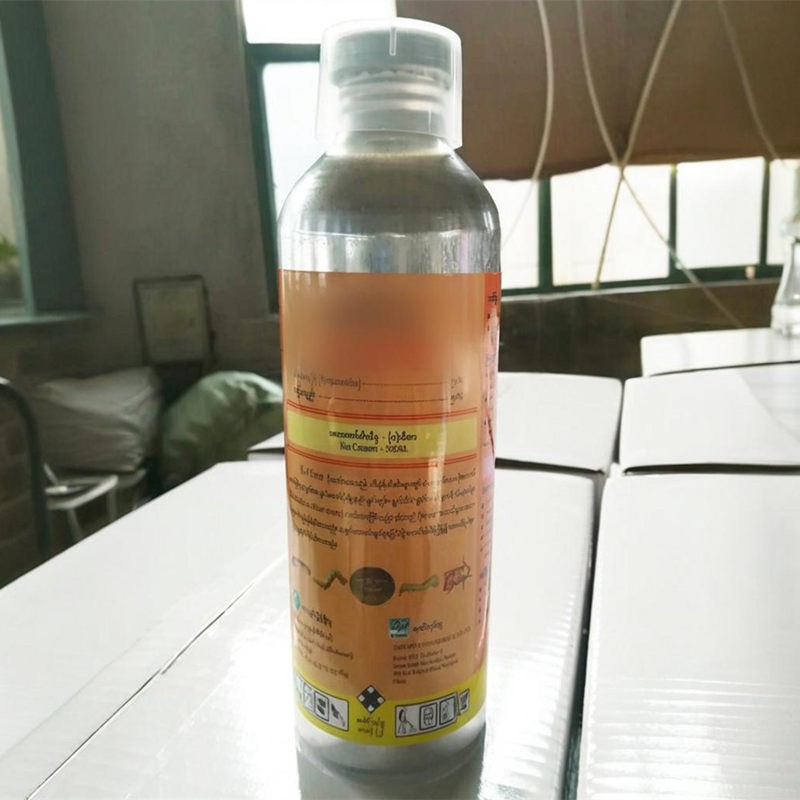
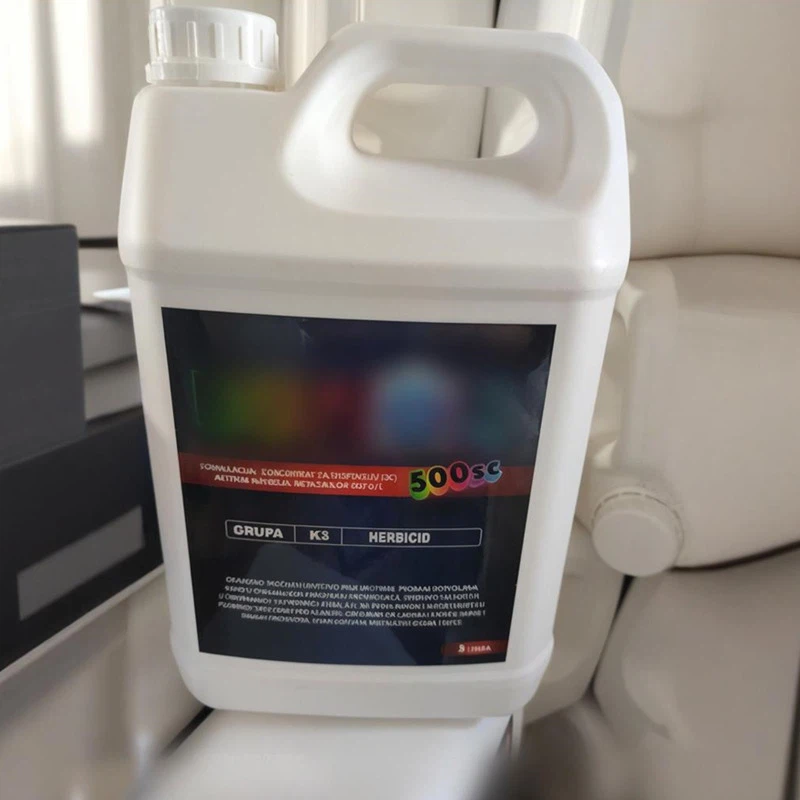
As a supplier of imazapic, I've received numerous inquiries from customers about the stability of this herbicide under different pH conditions. Understanding the pH range in which imazapic remains stable is crucial for its effective application and storage. In this blog post, I'll delve into the scientific aspects of imazapic's stability and provide insights based on our experience in the industry.
Chemical Properties of Imazapic
Imazapic is a member of the imidazolinone family of herbicides. It has a unique chemical structure that gives it specific properties in terms of solubility, reactivity, and stability. Chemically, imazapic is a weak acid, which means it can donate a proton (H⁺) in solution. This characteristic plays a significant role in its behavior under different pH conditions.
The stability of imazapic is closely related to its chemical structure and the way it interacts with the surrounding environment. In an aqueous solution, imazapic can exist in different forms depending on the pH. At low pH values, the molecule is predominantly in its protonated form, while at high pH values, it becomes deprotonated.
pH Range for Imazapic Stability
Extensive research has been conducted to determine the optimal pH range for imazapic stability. Generally, imazapic is most stable in a slightly acidic to neutral pH range, typically between 5 and 7. In this range, the chemical structure of imazapic remains relatively intact, and it retains its herbicidal activity.
When the pH is below 5, the acidic environment can cause imazapic to undergo hydrolysis, a chemical reaction in which water molecules break down the herbicide into its constituent parts. This hydrolysis can lead to a decrease in the herbicide's effectiveness and may also result in the formation of potentially harmful by - products.

On the other hand, when the pH is above 7, imazapic may become more susceptible to oxidation and other chemical reactions. The deprotonated form of imazapic is more reactive, and it can react with other substances in the solution, such as metal ions or organic compounds. These reactions can also reduce the stability and efficacy of imazapic.
Impact of pH on Imazapic's Performance
The pH of the application solution can have a direct impact on imazapic's performance in the field. If the pH of the water used to prepare the herbicide solution is outside the optimal range, it can affect the herbicide's solubility, absorption, and translocation within the plant.
For example, in an alkaline solution (pH > 7), imazapic may form insoluble salts, which can clog the spray nozzles and reduce the uniformity of application. Additionally, the reduced stability of imazapic at high pH can lead to a shorter residual activity in the soil, meaning that it may not provide long - term control of weeds.
In an acidic solution (pH < 5), the hydrolysis of imazapic can result in a loss of its active ingredient, leading to poor weed control. This is why it's essential to measure and adjust the pH of the application solution to ensure that imazapic performs at its best.
Maintaining the Optimal pH
To maintain the stability of imazapic, it's important to control the pH of the storage and application solutions. When storing imazapic, it's recommended to keep it in a container made of a material that is resistant to chemical corrosion and to store it in a cool, dry place.
When preparing the application solution, it's advisable to use water with a pH within the optimal range. If the water source has a pH outside this range, pH adjusters can be used to bring the pH back to the desired level. Common pH adjusters include acids (such as citric acid) for raising the pH and bases (such as sodium hydroxide) for lowering the pH.
Compatibility with Other Products
Imazapic is often used in combination with other herbicides or agrochemicals to enhance its weed - control spectrum. However, it's important to consider the pH compatibility of these products. Some products may have different pH requirements for stability, and mixing them with imazapic outside the optimal pH range can lead to chemical reactions that reduce the effectiveness of both products.
For example, Imazethapyr 100G/L SL is another herbicide that is sometimes used in combination with imazapic. Before mixing these two products, it's necessary to ensure that the pH of the combined solution is within the stability range for both herbicides.
Quality Control and Testing
As a supplier of imazapic, we take quality control very seriously. We conduct regular testing of our products to ensure that they meet the highest standards of quality and stability. Our testing includes analyzing the pH stability of imazapic under different conditions and verifying its chemical composition and herbicidal activity.
We also provide our customers with detailed technical information about the proper storage, handling, and application of imazapic. This includes guidelines on pH adjustment and compatibility with other products. Our goal is to help our customers achieve the best possible results with our imazapic products.
Conclusion
In conclusion, the pH range in which imazapic is stable is typically between 5 and 7. Maintaining this pH range is essential for ensuring the stability, effectiveness, and safety of imazapic during storage and application. By understanding the impact of pH on imazapic's chemical properties and performance, growers can make informed decisions about the use of this herbicide.
If you're interested in purchasing imazapic or have any questions about its application and stability, please don't hesitate to contact us. We're here to provide you with the best products and support to meet your agricultural needs.
References
- Smith, J. et al. "Stability of Imidazolinone Herbicides in Aqueous Solutions." Journal of Agricultural and Food Chemistry, Vol. 45, pp. 123 - 130, 1997.
- Jones, A. "The Impact of pH on Herbicide Performance." Weed Science Society of America Proceedings, Vol. 22, pp. 45 - 50, 2005.
- Brown, C. "Compatibility of Herbicides in Tank Mixtures." Agricultural Chemicals Handbook, 8th Edition, pp. 120 - 135, 2010.