MCPA, or 2-methyl-4-chlorophenoxyacetic acid, is a widely used selective systemic herbicide in the agriculture and horticulture sectors. As a MCPA supplier, I am frequently asked about the regulations governing its use. This blog post aims to shed light on these regulations, which are crucial for ensuring the safe, effective, and legal use of MCPA.
Global Regulatory Landscape
The use of MCPA is regulated at both the national and international levels. Internationally, organizations such as the Food and Agriculture Organization (FAO) and the World Health Organization (WHO) play a significant role in setting standards and guidelines for pesticide use. These standards are often used as a reference by countries when formulating their own regulations.
At the national level, each country has its own regulatory body responsible for overseeing pesticide use. In the United States, for example, the Environmental Protection Agency (EPA) is in charge of registering pesticides, setting tolerance levels for residues in food and feed, and enforcing regulations to protect human health and the environment. In the European Union, the European Food Safety Authority (EFSA) conducts risk assessments, and the European Commission makes decisions on the approval and use of pesticides.
Registration and Approval
Before MCPA can be sold and used in a particular country, it must undergo a rigorous registration process. This process involves submitting detailed data on the chemical's composition, toxicity, efficacy, and environmental fate. The regulatory authorities review this data to assess the risks and benefits of using MCPA and determine whether it meets the safety and efficacy standards.
For instance, in the EU, the registration process for MCPA includes an evaluation of its potential impact on human health, wildlife, and the environment. The applicant must provide data on acute and chronic toxicity, mutagenicity, carcinogenicity, and effects on non-target organisms. Based on this evaluation, the EU may approve MCPA for use under certain conditions, such as specific application rates, target crops, and safety precautions.
Labeling Requirements
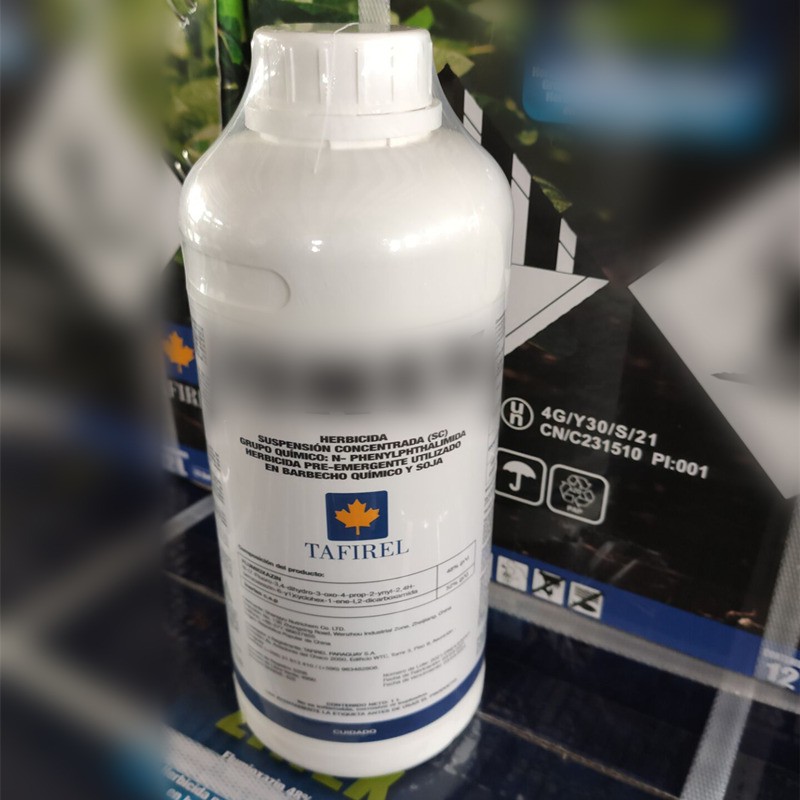
Once MCPA is registered, it must be labeled with clear instructions on its use, storage, and disposal. The label is a legal document that provides essential information for users, including the active ingredient, product name, registration number, application rates, target pests, safety precautions, and first aid measures.
The label also includes information on the pre-harvest interval (PHI), which is the minimum number of days between the last application of MCPA and the harvest of the treated crop. This is important to ensure that the residue levels of MCPA in the harvested crop are within the acceptable limits set by the regulatory authorities.
Application Regulations
The application of MCPA is subject to strict regulations to minimize its impact on the environment and non-target organisms. These regulations include restrictions on the application method, timing, and rate.
For example, MCPA should be applied using appropriate equipment to ensure accurate and uniform distribution. The application should be carried out under suitable weather conditions to prevent drift, which can cause damage to neighboring crops and non-target plants. In addition, there are often restrictions on the use of MCPA near water bodies to protect aquatic life.
Residue Limits
To protect human health, regulatory authorities set maximum residue limits (MRLs) for MCPA in food and feed. These limits specify the maximum amount of MCPA residue that is allowed to remain in or on a food or feed product at the time of consumption.
Food producers and processors are required to comply with these MRLs. They must ensure that the MCPA residues in their products are within the legal limits through proper application practices and monitoring. Regulatory authorities conduct regular inspections and testing to enforce these limits and protect consumers.
Storage and Disposal
Proper storage and disposal of MCPA are also regulated to prevent environmental contamination and ensure safety. MCPA should be stored in a cool, dry, and well-ventilated area, away from sources of heat, ignition, and incompatible substances. It should be kept in its original container with the label intact.
When it comes to disposal, unused MCPA and its containers should be disposed of in accordance with local regulations. This may involve returning the product to the supplier, taking it to a designated hazardous waste disposal facility, or following specific procedures for on-farm disposal.
Our Role as a MCPA Supplier
As a MCPA supplier, we are committed to ensuring that our products comply with all relevant regulations. We work closely with regulatory authorities to stay updated on the latest requirements and ensure that our products are registered and labeled correctly.
We also provide our customers with comprehensive information on the safe and legal use of MCPA. This includes training on proper application techniques, storage, and disposal, as well as access to technical support. By doing so, we help our customers use MCPA in a responsible manner and avoid any legal issues.
Conclusion
The regulations regarding MCPA use are complex and vary from country to country. However, they all share the common goal of protecting human health and the environment while ensuring the effective use of this important herbicide. As a MCPA supplier, we understand the importance of these regulations and are dedicated to helping our customers comply with them.

If you are interested in purchasing MCPA or have any questions about its use, please feel free to contact us. We would be happy to discuss your needs and provide you with the necessary information and support. We look forward to the opportunity to work with you and contribute to the success of your agricultural or horticultural operations.
References
- Food and Agriculture Organization of the United Nations. (n.d.). Pesticide management. Retrieved from [FAO website]
- World Health Organization. (n.d.). Pesticide evaluation. Retrieved from [WHO website]
- Environmental Protection Agency. (n.d.). Pesticide registration. Retrieved from [EPA website]
- European Food Safety Authority. (n.d.). Pesticide risk assessment. Retrieved from [EFSA website]