Hey there! As a supplier of bentazone, I've been getting a lot of questions lately about how this herbicide performs in wet conditions. So, I thought I'd dive deep into this topic and share what I've learned.
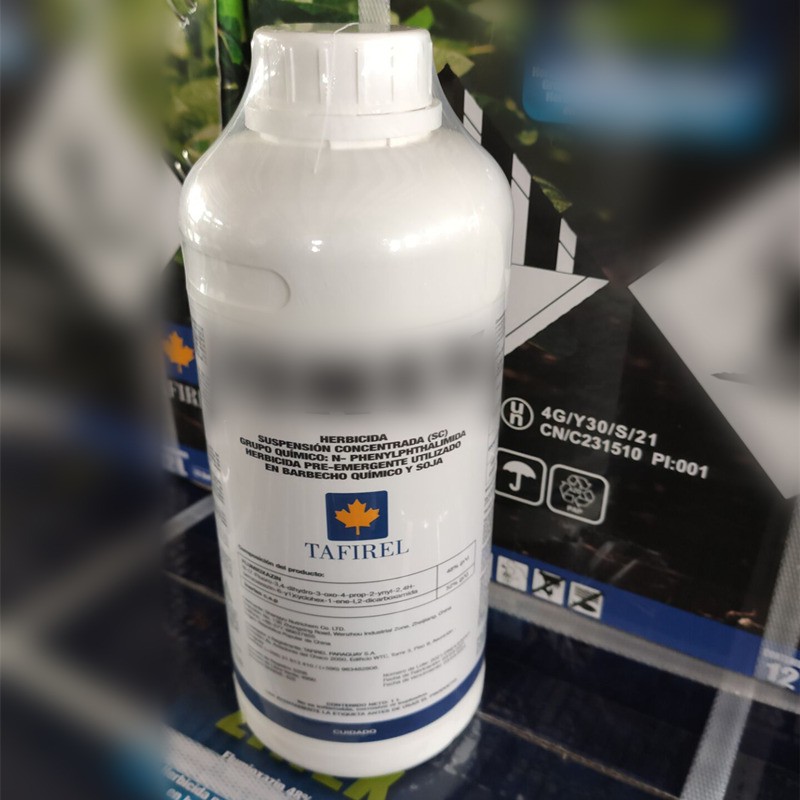
First off, let's talk a bit about bentazone. It's a well - known herbicide that's used to control a wide range of broadleaf weeds and some grassy weeds in various crops. One of the products we offer is Bentazone 480G/L SL, which has gained quite a reputation among farmers and agricultural enthusiasts.
Bentazone's Mode of Action
Before we get into how it fares in wet conditions, it's important to understand how bentazone works. Bentazone is a contact herbicide. This means it needs to come into direct contact with the leaves of the target weeds to be effective. Once it lands on the weed leaves, it gets absorbed and interferes with the plant's photosynthesis process. Without proper photosynthesis, the weed can't produce the energy it needs to survive, and eventually, it dies.
How Wet Conditions Affect Bentazone
Positive Aspects
- Enhanced Absorption
In wet conditions, the stomata (tiny pores on the leaves) of the weeds are often open wider. This is because plants take in carbon dioxide through these stomata for photosynthesis, and in moist environments, they don't need to conserve water as much. When the stomata are open, bentazone can penetrate the leaves more easily. The water on the leaves also helps the herbicide spread evenly across the leaf surface, increasing the chances of it being absorbed by the plant. So, in a way, a bit of moisture can actually boost the herbicide's effectiveness. - Weed Vulnerability
Weeds are generally more vulnerable in wet conditions. They are growing actively, and their metabolic processes are faster. When bentazone is applied during such times, the weed's rapid growth and high metabolic rate mean that the herbicide can act more quickly. The weed's cells are dividing and growing, and bentazone can disrupt these processes more effectively, leading to faster control of the weeds.
Negative Aspects
- Wash - off
The most obvious drawback of applying bentazone in wet conditions is the risk of wash - off. If it rains shortly after application, the herbicide can be washed off the leaves before it has a chance to be fully absorbed. This not only reduces the effectiveness of the treatment but can also lead to environmental contamination. The washed - off herbicide can end up in nearby water sources, which is a big no - no for environmental and regulatory reasons. - Dilution
Even if it doesn't rain hard enough to wash the herbicide off completely, the water on the leaves can dilute the bentazone solution. A diluted herbicide may not be as effective in killing the weeds. The concentration of the active ingredient is crucial for its mode of action, and when it's too low, the weeds may not be affected as intended.
Tips for Applying Bentazone in Wet Conditions
- Timing is Key
Check the weather forecast carefully. Try to apply bentazone when there's a period of at least 4 - 6 hours without rain. This gives the herbicide enough time to be absorbed by the weeds. You can also look for a break in the rain, when the leaves are still a bit damp but the precipitation has stopped. - Use Adjuvants
Adjuvants are substances that can be added to the herbicide solution to improve its performance. In wet conditions, using a spreader - sticker adjuvant can be very helpful. These adjuvants help the bentazone solution stick to the leaves better, reducing the risk of wash - off. They also improve the spread of the herbicide across the leaf surface, enhancing absorption. - Adjust the Application Rate
If you're applying bentazone in wet conditions and there's a higher risk of dilution, you may need to adjust the application rate slightly. However, this should be done carefully, following the manufacturer's guidelines. Over - applying the herbicide can be harmful to the crops and the environment.
Real - World Experiences
I've talked to many farmers who have used bentazone in wet conditions. Some have had great success. For example, a farmer in the Midwest was dealing with a heavy infestation of pigweed in his soybean field. It had been raining off and on, but he waited for a clear window and applied Bentazone 480G/L SL with a spreader - sticker adjuvant. He reported that the pigweed started showing signs of wilting within a few days, and within a week, most of the weeds were dead.
On the other hand, some farmers have faced challenges. One farmer in the South applied bentazone just before a sudden downpour. The rain washed off a large portion of the herbicide, and he had to re - apply the treatment, which cost him both time and money.
Conclusion
So, how does bentazone perform in wet conditions? Well, it can be a double - edged sword. On one hand, the moisture can enhance its effectiveness by improving absorption and targeting vulnerable weeds. On the other hand, there are risks like wash - off and dilution that need to be managed.

If you're considering using bentazone in wet conditions, make sure you take the necessary precautions. Check the weather, use adjuvants, and adjust the application rate if needed. And if you have any questions or need more information about our Bentazone 480G/L SL or other bentazone products, don't hesitate to reach out. We're here to help you make the most of this powerful herbicide and achieve the best results in your fields. Whether you're a large - scale farmer or a small - time gardener, we can work together to find the right solution for your weed control needs. Let's get in touch and start a conversation about how bentazone can work for you in any conditions.
References
- "Herbicide Handbook" - Weed Science Society of America
- Various research papers on herbicide performance in different environmental conditions published in agricultural journals.