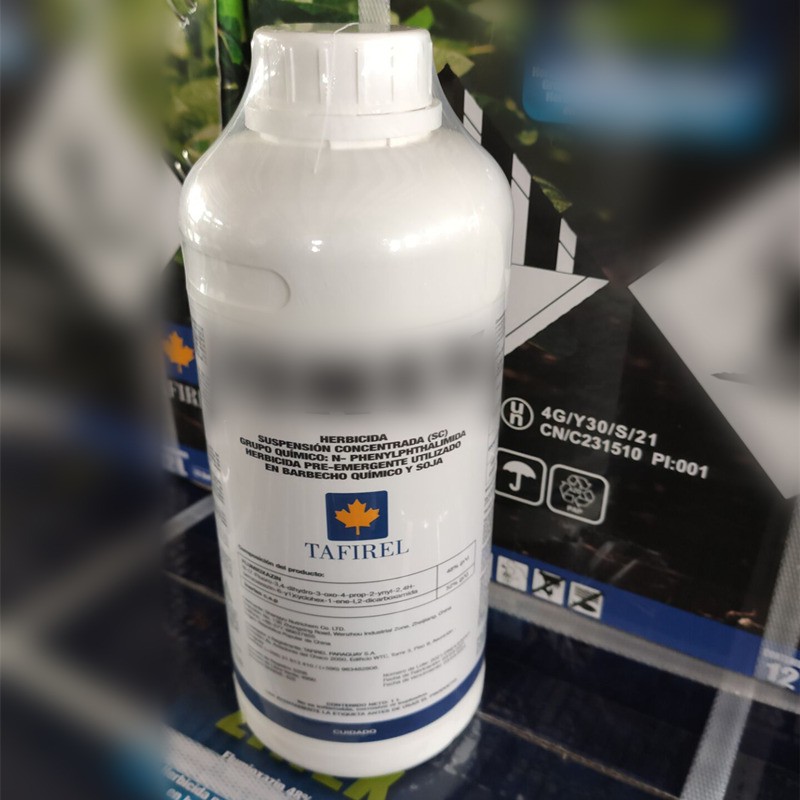
Hey there! As a metazachlor supplier, I've seen firsthand the importance of safety in its production. Metazachlor is a widely - used herbicide, and its production involves a series of chemical processes that need careful handling. In this blog, I'll share some key safety precautions during metazachlor production.
Raw Material Handling
First off, let's talk about raw materials. The production of metazachlor requires several chemicals, and each of them comes with its own set of risks. For instance, some of the starting materials might be flammable, corrosive, or toxic.
When handling flammable raw materials, we've got to make sure there are no sources of ignition nearby. That means no open flames, and electrical equipment should be explosion - proof. We always store these flammable substances in well - ventilated areas, away from heat sources. And when transferring them, we use proper grounding to prevent static electricity buildup, which could lead to a spark and cause an explosion.
Corrosive materials are another concern. They can cause severe burns to the skin and eyes, and damage equipment. When working with these substances, we wear protective gear like chemical - resistant gloves, goggles, and aprons. Also, the storage containers for corrosive materials need to be made of the right materials that can withstand their corrosive nature. For example, if a certain acid is used, the storage tank should be made of a material that won't react with it.
Toxic raw materials are perhaps the most dangerous. Inhalation, ingestion, or skin contact can lead to serious health problems. We have strict ventilation systems in place to keep the air clean. And workers are required to use respirators when dealing with these toxic substances. We also have regular health check - ups for employees who are exposed to these materials to catch any early signs of toxicity.
Chemical Reaction Processes
The chemical reactions involved in metazachlor production are exothermic, which means they release heat. This heat can cause the reaction to get out of control if not managed properly.
We use temperature control systems to monitor and regulate the reaction temperature. These systems can automatically adjust the cooling or heating as needed. For example, if the reaction starts to heat up too quickly, the cooling system will kick in to bring the temperature down.
Pressure is another important factor. Some reactions might generate pressure, and if the pressure builds up too much, it can cause the reaction vessel to explode. We install pressure relief valves on the reaction vessels. These valves will open when the pressure exceeds a safe limit, releasing the excess pressure and preventing an explosion.
During the reaction, we also need to be careful about the addition of reactants. Adding them too quickly can cause a sudden increase in reaction rate and heat generation. So, we have a set procedure for adding reactants at a controlled rate. This might involve using a metering pump to ensure a steady and accurate flow of the reactants into the reaction vessel.
Equipment Maintenance
The equipment used in metazachlor production is crucial, and regular maintenance is a must. Faulty equipment can lead to leaks, malfunctions, and even accidents.
We have a maintenance schedule for all the equipment. For example, pumps need to be checked regularly for proper functioning. The seals on the pumps should be inspected for leaks, and if they are worn out, they need to be replaced immediately.
Reaction vessels also need regular inspections. We check for any signs of corrosion, cracks, or other damage. Non - destructive testing methods, such as ultrasonic testing, can be used to detect internal flaws in the vessels. If any problems are found, the vessel should be repaired or replaced before it causes an accident.
Piping systems are another area that requires attention. We check for blockages, leaks, and proper insulation. Leaking pipes can release chemicals into the environment, which is not only a safety hazard but also bad for the environment. And proper insulation is important to prevent heat loss or gain, which can affect the reaction process.
Worker Safety Training
Worker safety training is essential. All employees involved in metazachlor production should receive comprehensive training before they start working.
The training covers everything from handling raw materials to operating the equipment. Workers learn how to use personal protective equipment (PPE) correctly. For example, they are taught how to put on and take off respirators properly to ensure a good seal.
They also learn about emergency procedures. In case of a fire, chemical spill, or other emergencies, they know what to do. We have regular emergency drills to make sure that everyone can respond quickly and effectively. For example, during a fire drill, workers know how to evacuate the building, where the fire extinguishers are located, and how to use them.
In addition to the initial training, we also provide refresher courses regularly. This is to keep the workers updated on the latest safety procedures and to reinforce good safety practices.
Environmental Safety
Metazachlor production also has an impact on the environment, and we need to take precautions to minimize it.
We have waste treatment systems in place to deal with the chemical waste generated during production. For example, liquid waste is treated to remove harmful chemicals before being discharged into the environment. Solid waste is also properly disposed of, either through recycling or safe landfilling.
Air emissions are another concern. We use air pollution control devices, such as scrubbers and filters, to remove pollutants from the exhaust gases. These devices can capture harmful chemicals and particles, reducing the impact on the air quality.
Water pollution prevention is also important. We have spill containment systems around storage tanks and reaction vessels. In case of a spill, these systems can prevent the chemicals from flowing into nearby water sources.
Product Packaging and Storage
Once the metazachlor is produced, proper packaging and storage are necessary to maintain its quality and safety.
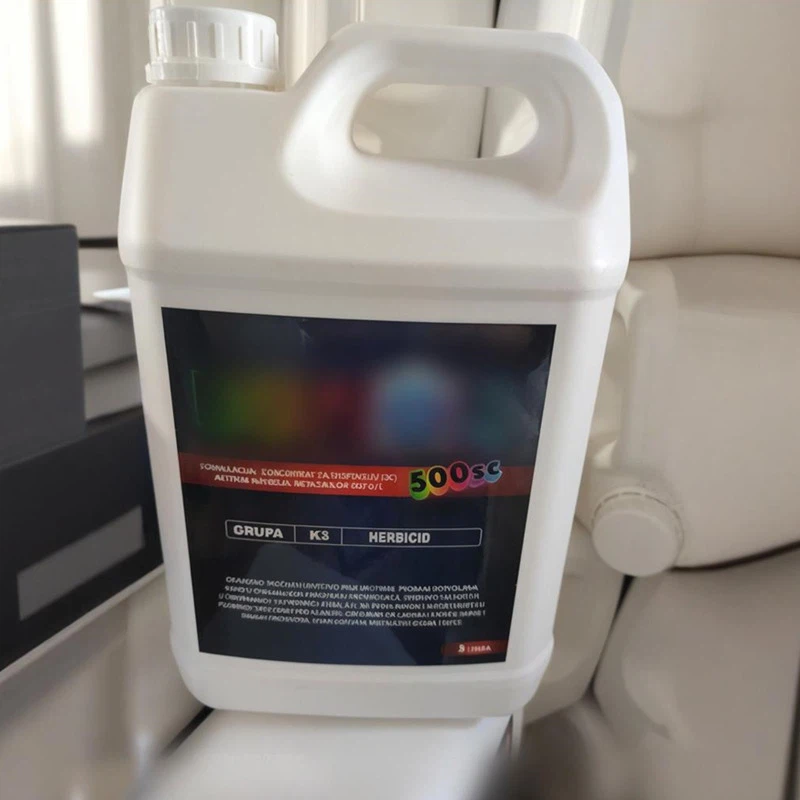
The packaging should be made of materials that are compatible with metazachlor. It should be strong enough to prevent leaks during transportation and storage. For example, Metazachlor 500 G/L SC is usually packaged in containers that are resistant to chemical corrosion.
We store the packaged metazachlor in a cool, dry, and well - ventilated area. The storage area should be away from sources of heat, ignition, and incompatible substances. We also have a proper inventory management system to keep track of the stock, ensuring that the oldest products are used or sold first.
Quality Control and Safety Monitoring
Quality control is closely related to safety. A product with poor quality might pose a greater safety risk.
We have strict quality control procedures at every stage of production. For example, we test the raw materials before using them to make sure they meet the required specifications. During the reaction process, we take samples at regular intervals to check the progress and quality of the reaction. And after the product is made, we conduct a series of tests to ensure its purity, potency, and safety.
Safety monitoring is an ongoing process. We use sensors and monitoring devices to keep track of various parameters such as temperature, pressure, and air quality. These devices can send alerts if any parameter goes out of the safe range, allowing us to take immediate action.
In conclusion, safety during metazachlor production is a multi - faceted issue. It involves everything from handling raw materials to product storage. By following these safety precautions, we can ensure the safety of our workers, protect the environment, and produce a high - quality product.
If you're interested in purchasing metazachlor, we'd love to have a chat with you. Just reach out to us, and we can discuss your needs and how we can meet them.
References
- "Handbook of Pesticide Toxicology"
- "Chemical Process Safety: Fundamentals with Applications"