Fludioxonil is a widely used fungicide known for its effectiveness in controlling a variety of fungal diseases in crops. As a supplier of fludioxonil, I understand the importance of ensuring that users are well - informed about the safety precautions when handling and using this product. In this blog, I will elaborate on the key safety measures that should be taken during the use of fludioxonil.
Personal Protective Equipment (PPE)
One of the fundamental safety aspects when using fludioxonil is the proper use of personal protective equipment. Before handling fludioxonil, users should wear protective clothing, including long - sleeved shirts, long pants, and chemical - resistant gloves. These items of clothing act as a physical barrier between the skin and the fungicide, reducing the risk of direct contact.
For the hands, chemical - resistant gloves made of materials such as nitrile or neoprene are recommended. These gloves can prevent the absorption of fludioxonil through the skin. Additionally, goggles or a face shield should be worn to protect the eyes from splashes or mists. Fludioxonil can cause irritation to the eyes, and in severe cases, it may lead to more serious eye damage.
A respirator is also an essential piece of PPE, especially when working in areas with poor ventilation or when spraying fludioxonil. A respirator with appropriate filters can prevent the inhalation of fludioxonil particles or vapors, which can cause respiratory problems such as coughing, shortness of breath, and irritation of the respiratory tract.
Handling and Storage
Proper handling and storage of fludioxonil are crucial for safety. When handling fludioxonil, users should avoid spilling the product. In case of a spill, it should be cleaned up immediately using appropriate absorbent materials. The spilled fludioxonil should be collected and disposed of according to local regulations.
Fludioxonil should be stored in a cool, dry, and well - ventilated area. The storage area should be away from sources of heat, open flames, and direct sunlight. It should also be separated from food, feed, and other incompatible substances. Storing fludioxonil in a locked cabinet or storage facility can prevent unauthorized access, especially in areas where there are children or untrained individuals.

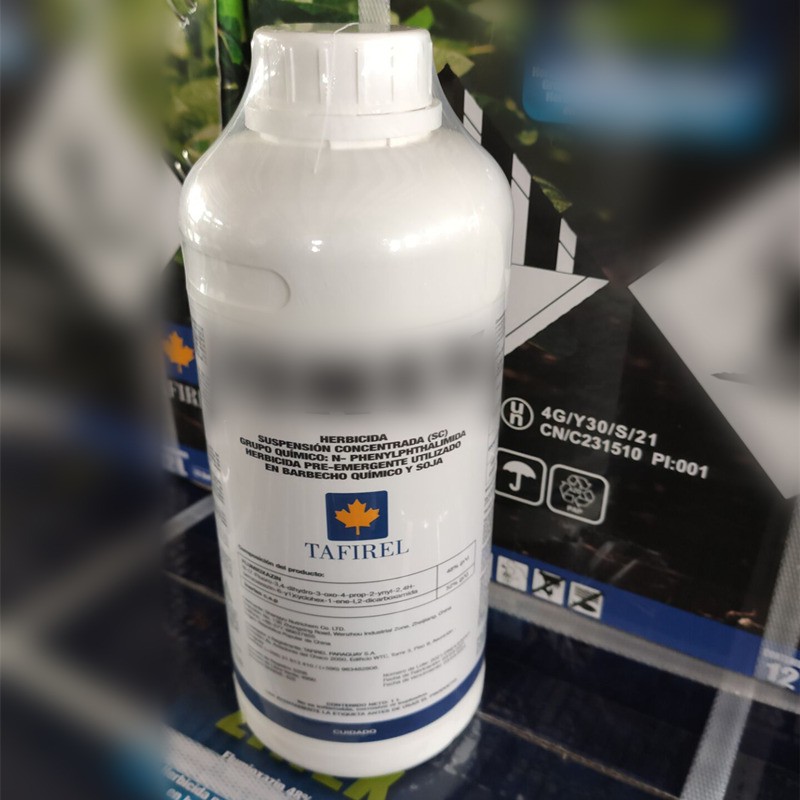
It is important to keep the product in its original container with the label intact. The label provides important information about the product, including its ingredients, usage instructions, and safety precautions. Do not transfer fludioxonil to unlabeled containers, as this can lead to confusion and potential safety hazards.
Mixing and Application
When mixing fludioxonil with other substances, such as water or other pesticides, users should follow the recommended mixing ratios carefully. Incorrect mixing ratios can not only reduce the effectiveness of the fungicide but also increase the risk of chemical reactions and safety problems.
During the application of fludioxonil, users should follow the recommended application rates and methods. Over - application of fludioxonil can lead to excessive residues on crops, which may pose a risk to human health and the environment. It is also important to ensure that the application equipment is in good working condition. Leaky sprayers or other faulty equipment can cause accidental spills or uneven application.
Before starting the application, users should check the weather conditions. Avoid applying fludioxonil on windy days, as the fungicide can be carried by the wind to non - target areas, potentially affecting nearby crops, wildlife, or human settlements. Also, do not apply fludioxonil when rain is expected soon, as the rain can wash the fungicide off the crops and into the environment.
Post - application Precautions
After the application of fludioxonil, users should wash their hands, face, and any other exposed skin thoroughly with soap and water. This helps to remove any residues of the fungicide that may have come into contact with the skin. The protective clothing and equipment used during the application should also be washed separately from other laundry.
It is important to keep people and animals away from the treated area for the recommended period. This period is usually specified on the product label and is designed to allow the fludioxonil to dry and reduce the risk of exposure. Do not allow grazing animals to enter the treated area until the waiting period has passed.
Environmental Considerations
Fludioxonil can have an impact on the environment if not used properly. It is toxic to some aquatic organisms, such as fish and invertebrates. Therefore, users should avoid allowing fludioxonil to enter water bodies, such as rivers, lakes, or ponds. This can be achieved by ensuring that the application equipment is not washed near water sources and that any spills are cleaned up before they reach water bodies.
When disposing of empty fludioxonil containers, users should follow local regulations. In many cases, the containers should be rinsed thoroughly, and the rinsate should be used in accordance with the product's application instructions. The empty containers can then be recycled or disposed of in an appropriate waste management facility.
First - aid Measures
Despite taking all the necessary safety precautions, accidents can still happen. In case of accidental exposure to fludioxonil, it is important to know the appropriate first - aid measures.
If fludioxonil comes into contact with the skin, the affected area should be washed immediately with plenty of soap and water for at least 15 minutes. Remove any contaminated clothing during the washing process. If irritation persists, seek medical attention.
In case of eye contact, flush the eyes with gently flowing water for at least 15 minutes, holding the eyelids open to ensure thorough rinsing. Seek medical attention immediately.
If fludioxonil is inhaled, move the person to fresh air immediately. If the person is not breathing, perform artificial respiration. Seek medical attention as soon as possible.
If fludioxonil is swallowed, do not induce vomiting unless instructed to do so by a medical professional. Give the person plenty of water to drink and seek medical attention immediately.
Conclusion
As a supplier of fludioxonil, I am committed to providing high - quality products and ensuring that our customers are well - informed about the safety precautions when using fludioxonil. By following the safety measures outlined in this blog, users can minimize the risks associated with the use of fludioxonil and ensure the safety of themselves, others, and the environment.
If you are interested in purchasing fludioxonil or our Fludioxonil 24G/L + Difenoconazole 24G/L FS, please feel free to contact us for further details and to start a procurement negotiation. We are here to provide you with the best products and services to meet your agricultural needs.
References
- Product label information of fludioxonil
- Safety data sheets of fludioxonil
- Agricultural chemical safety guidelines from relevant regulatory authorities