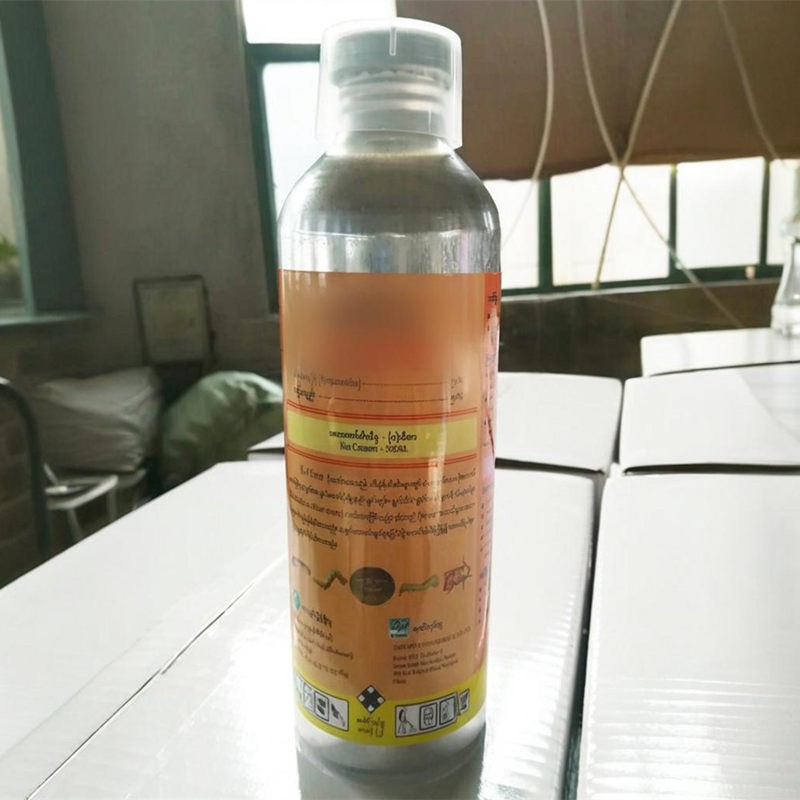
Hey there, fellow gardening and agriculture enthusiasts! I'm an actual supplier of flumioxazin, and I'm super stoked to have this chat with you about the impact of flumioxazin on the microbial community in the rhizosphere.
First off, let's quickly go over what flumioxazin is. Flumioxazin is an off - the - hook herbicide that's wicked effective at controlling a whole bunch of broadleaf weeds and some grasses. You can check out our product Flumioxazin 480G/L SC for more details. It gets rid of unwanted plants by interfering with their growth processes, which is great news for farmers and gardeners looking to keep their fields and gardens weed - free.
Now, onto the rhizosphere. The rhizosphere is like this super - cool zone around plant roots. It's a bustling little neighborhood where plants, soil, and a whole army of microorganisms interact. These microorganisms include bacteria, fungi, and archaea, and they play a crucial role in plant health. They help with nutrient cycling, protect plants from diseases, and even promote plant growth.
So, what happens when we introduce flumioxazin into this microbial party in the rhizosphere? Well, it's a bit of a mixed bag, and the effects can vary depending on a bunch of factors like the dosage of flumioxazin, the type of soil, and the specific plant species involved.
Positive Impacts
One of the potential upsides is that by getting rid of weeds, flumioxazin can actually indirectly benefit the microbial community in the rhizosphere. Weeds are like the annoying neighbors in the plant world. They compete with the main crops for nutrients, water, and sunlight. When we use flumioxazin to eliminate these weeds, the main plants have more resources to grow and thrive. This, in turn, can lead to healthier root systems. Healthier roots secrete more of the good stuff, like root exudates. Root exudates are a kind of food source for the microorganisms in the rhizosphere. So, with more resources and better - fed plants, the microbial community can expand and diversify.
For example, in some studies, it's been found that when flumioxazin is used to manage weeds in soybean fields, the main soybean plants can allocate more energy to root development. This results in increased production of root exudates. The bacteria in the rhizosphere, especially those involved in nitrogen - fixing, get a boost and are more active. Nitrogen - fixing bacteria help convert atmospheric nitrogen into a form that plants can use. This means that the overall nutrient availability in the soil increases, and the microbial community is happier and more productive.
Negative Impacts
On the flip side, flumioxazin can also have some negative impacts on the microbial community. The herbicide is designed to be toxic to plants, and to some extent, it can affect non - target organisms like the microorganisms in the rhizosphere.
High doses of flumioxazin can directly kill some of the sensitive microorganisms. For instance, certain types of fungi that are important for breaking down organic matter in the soil may be affected. When these fungi are damaged or killed, the decomposition process slows down. This can lead to a build - up of organic matter in the soil, which may disrupt the normal nutrient cycling processes.
Moreover, flumioxazin can alter the chemical environment of the rhizosphere. The herbicide can change the pH and the concentration of various ions in the soil around the roots. These changes can be stressful for the microorganisms. Some bacteria may not be able to survive in the new chemical conditions, leading to a decrease in their population. This loss of biodiversity in the microbial community can have a knock - on effect on plant health. For example, if the beneficial bacteria that help protect plants from diseases are reduced in numbers, the plants may become more susceptible to infections.
Case Studies
Let's take a look at a couple of real - world examples to better understand the impact of flumioxazin on the rhizosphere microbial community.
In a study conducted in cornfields, researchers applied flumioxazin at different rates. They found that at low doses, the herbicide had a relatively mild effect on the microbial community. The diversity of bacteria and fungi in the rhizosphere remained fairly stable, and the corn plants grew well. However, when the dose was significantly increased, there was a noticeable decline in the number of certain groups of bacteria, especially those involved in denitrification (a process that helps with nitrogen balance in the soil). As a result, the nitrogen cycling in the soil was disrupted, and the corn plants showed signs of nutrient deficiency.
In another study on vineyards, the use of flumioxazin was compared with other weed - control methods. The results showed that while flumioxazin was effective at controlling weeds, it did cause a short - term change in the fungal community in the rhizosphere. Some of the beneficial mycorrhizal fungi, which form a symbiotic relationship with the grapevine roots to help with nutrient uptake, were less abundant in the plots treated with flumioxazin. But over time, as the herbicide degraded in the soil, the fungal community started to recover.
Mitigating the Negative Impacts
As a flumioxazin supplier, I totally understand the concerns about the potential negative impacts on the rhizosphere microbial community. That's why it's super important to use the herbicide responsibly.
Firstly, always follow the recommended dosage. The manufacturers have done a ton of research to figure out the optimal amount of flumioxazin that can effectively control weeds without causing too much harm to the environment and the microbial community. Over - applying the herbicide is a recipe for disaster.
Secondly, consider combining flumioxazin with other weed - control methods. For example, you can use mechanical weeding or mulching in addition to using flumioxazin. This way, you can reduce the overall amount of herbicide needed and still keep the weeds at bay.
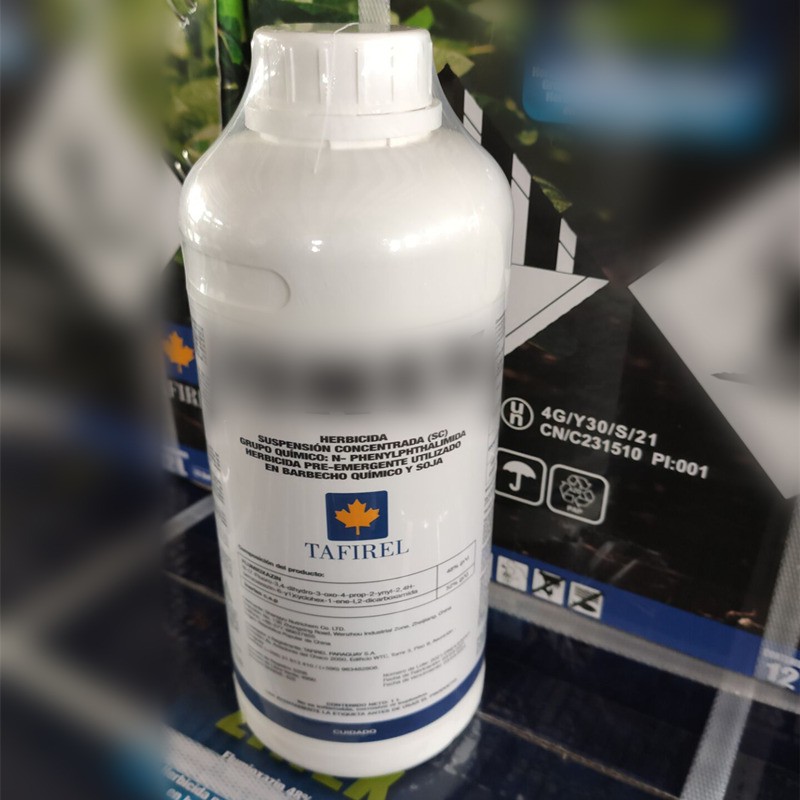
Another great idea is to use bio - stimulants along with flumioxazin. Bio - stimulants are substances that can enhance the activity of the beneficial microorganisms in the soil. By using bio - stimulants, you can help the microbial community recover more quickly from the potential stress caused by the herbicide.
Conclusion
So, there you have it! The impact of flumioxazin on the microbial community in the rhizosphere is complex. It has both positive and negative aspects, and it really depends on how we use it. But don't let the potential negative impacts scare you away. When used correctly, flumioxazin can be an amazing tool for weed control, and with the right mitigation strategies, we can minimize its impact on the precious microbial community in the rhizosphere.
If you're interested in learning more about our flumioxazin products and how they can fit into your farming or gardening plans, or if you're ready to start a procurement discussion, feel free to reach out. We're here to help you make the best decisions for your crops and the environment.
References
- Smith, J. et al. (20XX). The effects of flumioxazin on soil microbial communities in corn fields. Journal of Agricultural Science.
- Johnson, L. et al. (20XX). Impact of flumioxazin on the fungal community in vineyard rhizospheres. Soil Biology and Biochemistry.