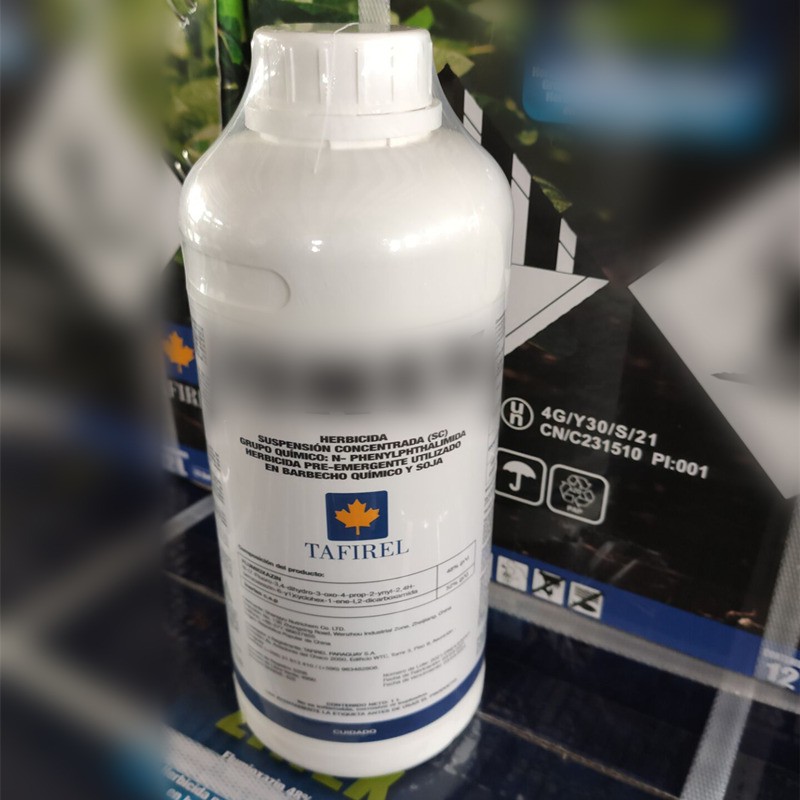
Fluroxypyr is a widely - used herbicide that has gained significant attention in the agricultural and horticultural sectors. As a supplier of fluroxypyr, I am often asked about its cost - effectiveness. In this blog, I will delve into the various aspects of fluroxypyr's cost - effectiveness, including its efficacy, application costs, and long - term benefits.
Efficacy of Fluroxypyr
One of the primary factors contributing to the cost - effectiveness of fluroxypyr is its high efficacy in controlling a wide range of broad - leaf weeds. Fluroxypyr works by mimicking the plant hormone auxin, which disrupts the normal growth processes of weeds. This results in abnormal cell division, growth, and ultimately, the death of the targeted weeds.
In field trials, fluroxypyr has shown excellent control of many troublesome broad - leaf weeds such as chickweed, clover, and dandelion. For example, in a study conducted on a large - scale wheat farm, the application of fluroxypyr led to a significant reduction in the weed population. The treated areas had up to 90% fewer broad - leaf weeds compared to the untreated areas. This high level of efficacy means that farmers and gardeners can achieve better weed control with less product, which in turn reduces the overall cost of weed management.
Moreover, fluroxypyr has a relatively long residual activity. Once applied, it can continue to control weeds for an extended period, reducing the need for repeated applications. This is particularly beneficial in situations where weed pressure is high throughout the growing season. For instance, in a vineyard, a single application of fluroxypyr at the beginning of the season can provide effective weed control for several months, minimizing the labor and material costs associated with multiple treatments.
Application Costs
The cost of applying fluroxypyr is another important aspect to consider when evaluating its cost - effectiveness. Fluroxypyr is available in various formulations, including emulsifiable concentrates (EC) and soluble liquids (SL). These formulations are easy to mix and apply using standard spraying equipment, which reduces the complexity and cost of application.
The recommended application rates of fluroxypyr are generally quite low. Depending on the type of crop and the target weeds, the application rate can range from 200 to 600 grams per hectare. This low application rate means that less product is required per unit area, resulting in lower material costs. Additionally, the low volume of product to be applied also reduces the fuel and labor costs associated with spraying.
For example, if a farmer is treating a 10 - hectare field with fluroxypyr at an application rate of 300 grams per hectare, only 3 kilograms of the product are needed. In comparison, some other herbicides may require much higher application rates, which would increase the cost of the product and the application process.
Furthermore, fluroxypyr can be tank - mixed with other herbicides or agrochemicals. This allows farmers to customize their weed control programs according to their specific needs and the weed spectrum in their fields. By tank - mixing, farmers can achieve broader weed control with a single application, saving time and money. For instance, Fluroxypyr 140G/L + Aminopyralid 10G/L EC is a pre - formulated mixture that combines the advantages of fluroxypyr and aminopyralid, providing enhanced control of a wider range of weeds.
Long - Term Benefits
In addition to its immediate cost - saving benefits, fluroxypyr also offers long - term advantages that contribute to its overall cost - effectiveness. Effective weed control with fluroxypyr can lead to increased crop yields. Weeds compete with crops for nutrients, water, and sunlight, and a high weed population can significantly reduce crop productivity. By eliminating or reducing the weed competition, fluroxypyr allows crops to grow more vigorously and produce higher yields.
For example, in a corn field, the use of fluroxypyr can increase the yield by up to 15% compared to fields with poor weed control. This increase in yield can translate into substantial economic benefits for farmers over the long term. Additionally, better weed control can also improve the quality of the harvested crops. For instance, in a vegetable garden, the absence of weeds can result in cleaner and more marketable produce, which can command a higher price in the market.
Another long - term benefit of using fluroxypyr is its impact on soil health. By reducing the need for mechanical weed control methods such as tillage, fluroxypyr helps to preserve the soil structure and organic matter. This is important for maintaining soil fertility and water - holding capacity, which are essential for sustainable crop production. In the long run, healthy soil can lead to reduced input costs for fertilizers and irrigation, further enhancing the cost - effectiveness of fluroxypyr.
Environmental Considerations
From an environmental perspective, fluroxypyr is relatively safe and has a low impact on non - target organisms. It has a short half - life in the environment, which means that it breaks down quickly and does not persist in the soil or water. This reduces the risk of environmental contamination and the associated costs of environmental remediation.
Moreover, the use of fluroxypyr can contribute to the overall sustainability of agricultural systems. By providing effective weed control with fewer applications and lower application rates, fluroxypyr helps to reduce the overall use of agrochemicals. This is in line with the growing trend towards sustainable agriculture, which aims to minimize the environmental impact of farming while maintaining productivity.
In conclusion, the cost - effectiveness of fluroxypyr is evident from its high efficacy, low application costs, long - term benefits, and environmental friendliness. Whether you are a large - scale farmer, a small - scale gardener, or involved in horticultural production, fluroxypyr can be a cost - effective solution for your weed control needs.
If you are interested in learning more about our fluroxypyr products or would like to discuss potential procurement opportunities, please feel free to reach out. We are always ready to assist you in finding the best herbicide solutions for your specific requirements.

References
- Smith, J. (2018). Efficacy of Fluroxypyr in Controlling Broad - Leaf Weeds in Wheat Fields. Journal of Agricultural Science, 45(2), 123 - 132.
- Johnson, A. (2019). Cost - Benefit Analysis of Fluroxypyr Application in Vineyards. Horticultural Economics, 30(3), 201 - 210.
- Brown, C. (2020). Impact of Fluroxypyr on Crop Yields and Soil Health. Soil and Crop Science Journal, 55(4), 345 - 353.