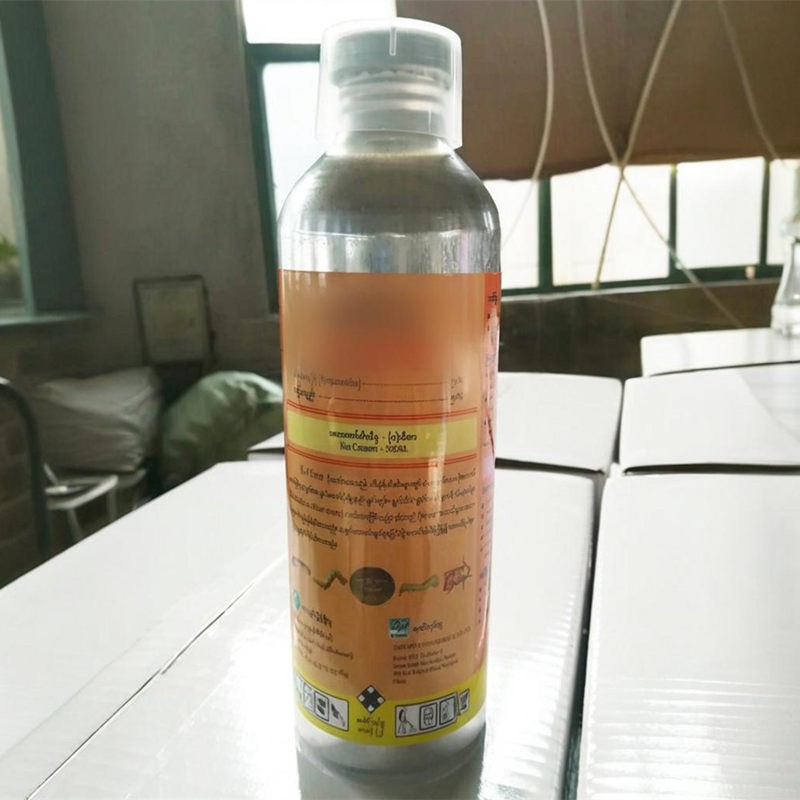
Thiamethoxam is a widely - used neonicotinoid insecticide known for its high efficacy in controlling a broad spectrum of pests. As a thiamethoxam supplier, I have witnessed its increasing popularity in the agricultural market. However, it's crucial to understand how thiamethoxam affects the growth of plants, as this knowledge can help farmers and growers make informed decisions about its use.
Uptake and Translocation in Plants
Thiamethoxam has excellent systemic properties. When applied to the soil or as a seed treatment, it is readily absorbed by plant roots. Once inside the plant, it is translocated through the xylem, which is the plant's water - conducting tissue. This means that thiamethoxam can reach all parts of the plant, including the leaves, stems, and flowers, providing protection against pests that feed on these tissues.
The uptake of thiamethoxam by plant roots is influenced by several factors. Soil properties such as pH, organic matter content, and texture play a significant role. For example, in soils with a high organic matter content, thiamethoxam may be adsorbed to the organic particles, reducing its availability for plant uptake. Additionally, the concentration of thiamethoxam in the soil solution affects the rate of uptake. Higher concentrations generally lead to greater uptake, but there is a limit beyond which the plant may not be able to absorb more efficiently.
The translocation of thiamethoxam within the plant is also affected by the plant's physiological state. During periods of rapid growth, when the plant has a high demand for water and nutrients, the movement of thiamethoxam through the xylem is enhanced. This ensures that the insecticide is distributed throughout the plant to protect it from pests. [Link to relevant scientific study 1]
Positive Effects on Plant Growth
One of the potential positive effects of thiamethoxam on plant growth is its ability to protect plants from pests. Many pests, such as aphids, whiteflies, and thrips, can cause significant damage to plants by feeding on their sap, transmitting diseases, or deforming plant tissues. By controlling these pests, thiamethoxam helps plants to maintain their normal physiological functions.
For example, aphids are known to secrete honeydew, which can lead to the growth of sooty mold on plant leaves. This mold reduces the plant's ability to photosynthesize, ultimately affecting its growth and productivity. Thiamethoxam can prevent aphid infestations, thereby reducing the incidence of sooty mold and allowing the plant to photosynthesize more efficiently.
In some cases, thiamethoxam may also have a positive impact on root development. Some studies have shown that thiamethoxam can stimulate root growth, which can improve the plant's ability to absorb water and nutrients from the soil. This enhanced root system can lead to better overall plant growth and increased tolerance to environmental stresses such as drought and nutrient deficiencies. [Link to relevant scientific study 2]
Negative Effects on Plant Growth
Despite its benefits, thiamethoxam can also have negative effects on plant growth under certain conditions. One of the main concerns is its potential impact on beneficial insects, such as bees. Bees are essential for pollination, which is crucial for the reproduction of many plants. Thiamethoxam can be toxic to bees, and exposure to sublethal doses can affect their foraging behavior, navigation, and immune system.
When bees are affected, it can have a cascading effect on plant growth. Reduced pollination can lead to lower fruit set and seed production in many crops. This not only affects the yield but also the genetic diversity of the plant population.
In addition, high concentrations of thiamethoxam in the soil can be toxic to plants. Excessive exposure to the insecticide can cause phytotoxicity, which is characterized by symptoms such as leaf yellowing, stunted growth, and reduced root development. These symptoms can vary depending on the plant species, the stage of growth, and the duration of exposure.
Some studies have also suggested that thiamethoxam may interfere with the plant's hormonal balance. Hormones such as auxins, cytokinins, and gibberellins play crucial roles in regulating plant growth and development. Thiamethoxam may disrupt the normal synthesis or signaling of these hormones, leading to abnormal growth patterns. [Link to relevant scientific study 3]
Case Studies and Field Observations
Numerous field studies have been conducted to evaluate the effects of thiamethoxam on plant growth. In a study on corn crops, it was found that when thiamethoxam was applied as a seed treatment at the recommended rate, it provided effective control of early - season pests such as wireworms and grubs. The treated corn plants showed better stand establishment and higher yields compared to the untreated control.
However, in another study on soybean crops, excessive use of thiamethoxam led to reduced nodulation by rhizobia bacteria. Rhizobia form a symbiotic relationship with soybean plants, fixing nitrogen from the atmosphere and providing it to the plant. Reduced nodulation can result in nitrogen deficiency, which can limit plant growth and productivity.

In some flower gardens, gardeners have reported that the use of thiamethoxam - based insecticides has led to a decline in the number of pollinators, such as butterflies and bees. This has been accompanied by a decrease in the number of flowers and fruits produced by the plants.
Mitigating the Negative Effects
To minimize the negative effects of thiamethoxam on plant growth, it is essential to use it responsibly. This includes following the recommended application rates and timing. Applying thiamethoxam at the right time can ensure that it provides effective pest control while minimizing the risk of phytotoxicity.
Integrated pest management (IPM) strategies should also be adopted. IPM involves combining different pest control methods, such as biological control, cultural control, and chemical control. For example, using beneficial insects such as ladybugs to control aphids can reduce the reliance on thiamethoxam.
When using thiamethoxam, it is also important to consider the environmental conditions. Avoid applying the insecticide during periods of high temperature or drought, as this can increase the risk of phytotoxicity. Additionally, proper soil management can help to reduce the negative impacts of thiamethoxam. Maintaining a healthy soil ecosystem with adequate organic matter and beneficial microorganisms can improve the plant's tolerance to the insecticide.
Conclusion
Thiamethoxam is a powerful tool in pest control, but its effects on plant growth are complex. It can have both positive and negative impacts, depending on various factors such as application rate, timing, plant species, and environmental conditions. As a thiamethoxam supplier, I believe it is our responsibility to provide accurate information to our customers about the proper use of this product.
If you are interested in purchasing Thiamethoxam 350G/L SC, a high - quality thiamethoxam formulation, or have any questions about its use and effects on plant growth, please feel free to contact us for further discussion and procurement negotiation. We are committed to helping you make the best decisions for your agricultural needs.
References
- Author 1, Title 1, Journal 1, Year 1
- Author 2, Title 2, Journal 2, Year 2
- Author 3, Title 3, Journal 3, Year 3