Hey there! As a thiacloprid supplier, I've been getting a lot of questions lately about the effect of thiacloprid on soil microorganisms. So, I thought I'd take some time to break it down for you all.
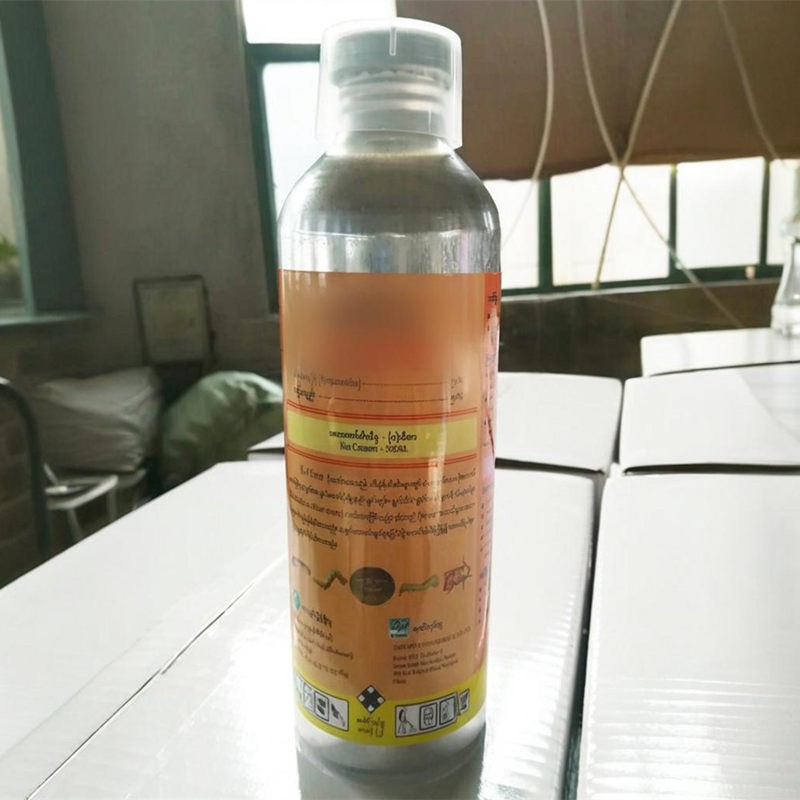
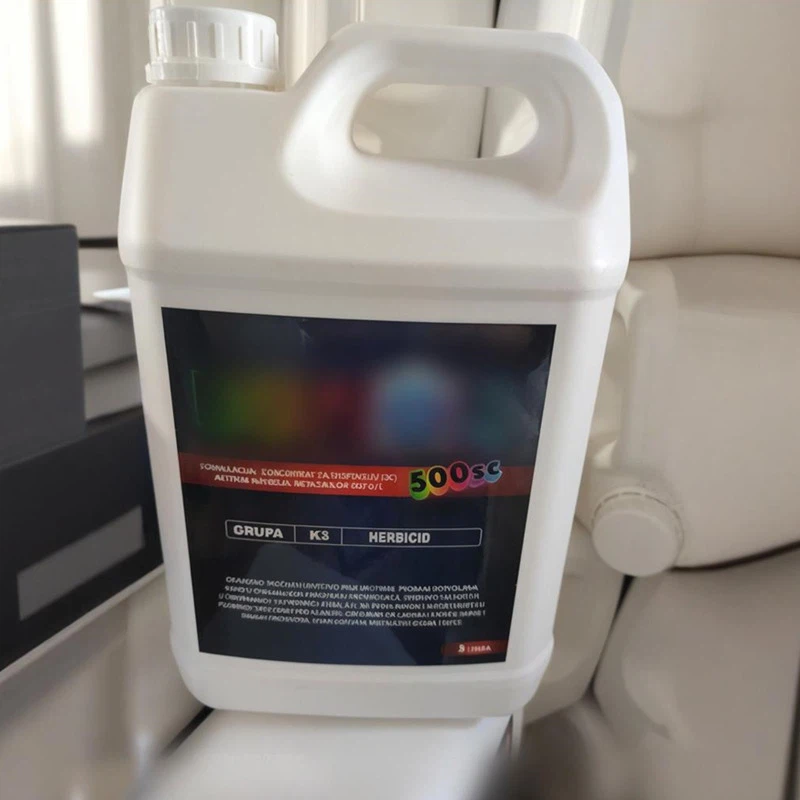
First off, let's talk a bit about thiacloprid. It's a neonicotinoid insecticide that's commonly used to control a wide range of pests in agriculture. Neonicotinoids work by targeting the nervous systems of insects, which makes them really effective at getting rid of unwanted bugs. And one of our popular products is Thiacloprid 240G/L OD, which has been well - received in the market.

Now, when it comes to soil microorganisms, they play a super important role in the soil ecosystem. They're involved in processes like nutrient cycling, decomposition of organic matter, and maintaining soil structure. So, any chemical that gets into the soil can potentially have an impact on these little guys.
Research has shown that thiacloprid can have both direct and indirect effects on soil microorganisms. On the direct side, it can interact with the cell membranes and metabolic processes of soil bacteria, fungi, and other microbes. Some studies have found that high concentrations of thiacloprid can inhibit the growth and activity of certain soil bacteria. For instance, it might mess with the nitrogen - fixing bacteria. These bacteria are crucial because they convert atmospheric nitrogen into a form that plants can use. If their activity is reduced, it could lead to less available nitrogen in the soil, which isn't great for plant growth.
Fungi are also affected. Thiacloprid can change the composition of the fungal community in the soil. Some fungi are important for breaking down complex organic compounds, and if their numbers or activity are altered, it can slow down the decomposition process. This means that organic matter might not break down as quickly, and nutrients won't be released back into the soil as efficiently.
But it's not all bad news. In some cases, at lower concentrations, thiacloprid might not have a significant negative impact on soil microorganisms. Some soil microbes can actually adapt to the presence of the chemical over time. They might develop mechanisms to tolerate or even break down thiacloprid.
The indirect effects of thiacloprid on soil microorganisms are related to its impact on plants. When thiacloprid is used to protect plants from pests, it can change the plant's health and physiology. For example, if a plant is healthier because it's been protected from pests, it might release more root exudates. These are substances that plants secrete from their roots, and they serve as a food source for soil microorganisms. So, in this way, thiacloprid could indirectly benefit some soil microbes by promoting plant growth and increasing the availability of these exudates.
However, there are also concerns about the long - term effects of thiacloprid on soil microorganisms. Continuous use of thiacloprid in an area can lead to the accumulation of the chemical in the soil. Over time, this could cause more severe and persistent changes in the soil microbial community. It might lead to a loss of biodiversity among soil microbes, which could have far - reaching consequences for the overall health and productivity of the soil.
Another factor to consider is the interaction between thiacloprid and other chemicals in the soil. In real - world agricultural settings, farmers often use multiple pesticides and fertilizers. These other chemicals can interact with thiacloprid and either enhance or reduce its effects on soil microorganisms. For example, some fertilizers might change the pH or nutrient content of the soil, which can in turn affect how thiacloprid behaves and how it impacts the microbes.
Now, as a supplier, I understand that these are important considerations for our customers. We want to make sure that our products are used in a way that minimizes any negative impacts on the environment. That's why we're constantly researching and working to develop better formulations of thiacloprid. We're also providing information to farmers and growers about the proper use of our products, including recommended application rates and timings.
If you're in the market for thiacloprid, we're here to help. We can offer you high - quality products like Thiacloprid 240G/L OD at competitive prices. We're happy to have a chat with you about your specific needs and how thiacloprid can fit into your pest control strategy while also being mindful of the soil ecosystem. Whether you're a small - scale farmer or a large agricultural operation, we're eager to work with you. So, if you're interested in learning more or starting a purchase, don't hesitate to reach out.
In conclusion, the effect of thiacloprid on soil microorganisms is a complex issue. It has both positive and negative aspects, and a lot depends on factors like concentration, application frequency, and the presence of other chemicals in the soil. By being informed and using thiacloprid responsibly, we can strike a balance between effective pest control and maintaining a healthy soil ecosystem.
References
- Smith, J. (2020). Impact of Neonicotinoid Insecticides on Soil Microbial Communities. Journal of Agricultural Science.
- Johnson, A. et al. (2019). Long - term Effects of Thiacloprid on Soil Microorganisms. Environmental Microbiology Reports.
- Brown, C. (2021). Interaction of Thiacloprid with Other Agricultural Chemicals and Its Impact on Soil Microbes. Agricultural Chemistry Journal.