The half - life of a chemical compound is a crucial parameter, especially when it comes to pesticides like oxyfluorfen. As a supplier of oxyfluorfen, I often receive inquiries about its environmental behavior, and one of the most common questions is about the half - life of oxyfluorfen in water.
Oxyfluorfen is a widely used herbicide known for its effectiveness in controlling a broad spectrum of annual and perennial broad - leaf and grassy weeds. It belongs to the diphenyl ether family of herbicides. Before delving into its half - life in water, let's briefly understand what half - life means. The half - life of a chemical is the time it takes for half of the initial amount of the substance to degrade or transform into other compounds.
Factors Affecting the Half - Life of Oxyfluorfen in Water
Several factors can influence the half - life of oxyfluorfen in water. These include temperature, pH, sunlight, and the presence of other substances.
Temperature
Temperature plays a significant role in the degradation of oxyfluorfen. Generally, higher temperatures accelerate chemical reactions. In water, as the temperature rises, the rate of hydrolysis (a common degradation pathway for many pesticides) of oxyfluorfen increases. For instance, in warmer water bodies such as those in tropical regions, the half - life of oxyfluorfen may be shorter compared to colder waters in temperate or polar regions. Studies have shown that at temperatures around 25 - 30°C, the hydrolysis rate of oxyfluorfen is relatively faster than at 10 - 15°C.

pH
The pH of the water also has a profound impact on the half - life of oxyfluorfen. Oxyfluorfen is more stable in acidic conditions. In acidic water (pH < 7), the hydrolysis reaction is slower, resulting in a longer half - life. On the other hand, in alkaline water (pH > 7), the hydrolysis process is accelerated, and the half - life is reduced. For example, at a pH of 5, the half - life of oxyfluorfen in water can be several weeks, while at a pH of 9, it may be reduced to a few days.
Sunlight
Sunlight can cause photodegradation of oxyfluorfen in water. Ultraviolet (UV) light from the sun can break the chemical bonds in oxyfluorfen molecules, leading to their degradation. In surface waters that are exposed to sunlight, the half - life of oxyfluorfen can be significantly shorter than in shaded or underground water sources. Photodegradation products of oxyfluorfen may have different chemical and biological properties compared to the parent compound.
Presence of Other Substances
The presence of other substances in water, such as organic matter and microorganisms, can also affect the half - life of oxyfluorfen. Organic matter can adsorb oxyfluorfen molecules, reducing their availability for degradation. Microorganisms in water can break down oxyfluorfen through biodegradation processes. In waters with a high microbial activity, the half - life of oxyfluorfen may be shorter due to enhanced biodegradation.
Reported Half - Life Values of Oxyfluorfen in Water
The reported half - life values of oxyfluorfen in water vary widely depending on the experimental conditions. In laboratory studies under controlled conditions, the half - life of oxyfluorfen in water can range from a few days to several months.
In some studies, when the water is at a neutral pH (around 7) and at a temperature of 20 - 25°C, the half - life of oxyfluorfen is reported to be approximately 30 - 60 days. However, in real - world environmental scenarios, these values can be different. For example, in a pond with high sunlight exposure, warm temperatures, and slightly alkaline water, the half - life may be as short as 10 - 15 days. In contrast, in a shaded, cold, and acidic groundwater source, the half - life could extend to several months.
Environmental Significance of Oxyfluorfen's Half - Life in Water
Understanding the half - life of oxyfluorfen in water is of great environmental significance. A longer half - life means that oxyfluorfen will remain in the water for a more extended period, increasing the potential for bioaccumulation in aquatic organisms. Bioaccumulation can lead to adverse effects on the food chain, as higher - level predators may consume organisms that have accumulated oxyfluorfen.
Moreover, a long - lasting presence of oxyfluorfen in water can also contaminate drinking water sources. If the water is used for human consumption, it may pose health risks. On the other hand, a relatively short half - life can reduce these risks, but it also means that more frequent applications of the herbicide may be required to maintain its effectiveness in the field.
Our Offer as an Oxyfluorfen Supplier
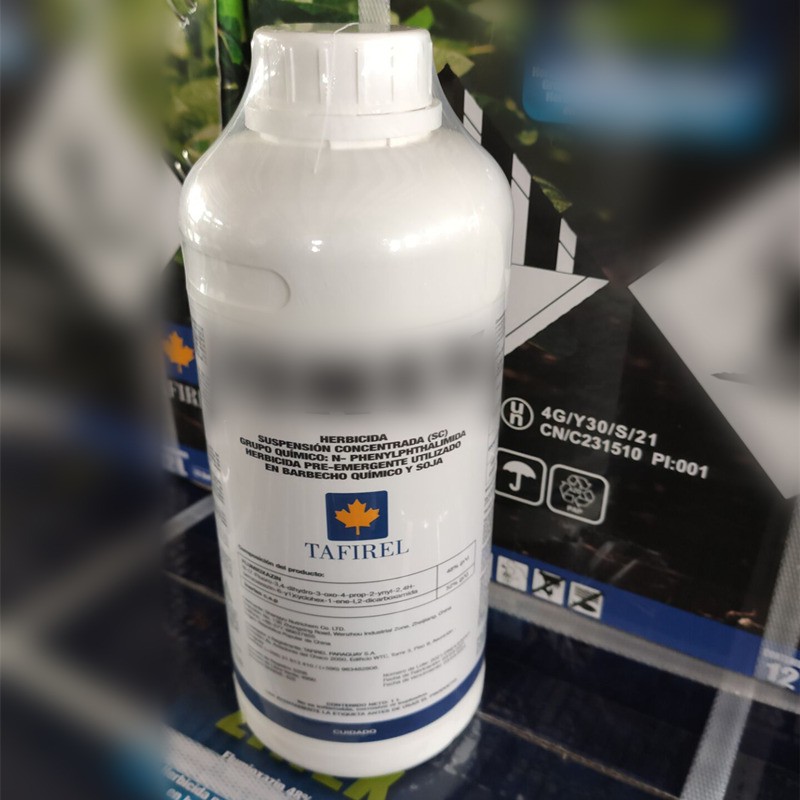
As a reliable oxyfluorfen supplier, we are committed to providing high - quality products. Our Oxyfluorfen 240G/L EC is formulated to ensure optimal performance while taking into account environmental safety. We understand the importance of the half - life of oxyfluorfen in water and its impact on the environment. Our technical team is constantly researching and developing formulations that can degrade at an appropriate rate, balancing the need for weed control and environmental protection.
We offer comprehensive technical support to our customers. Whether you are a farmer, an agricultural researcher, or an environmental consultant, our team can provide you with detailed information about the properties of oxyfluorfen, including its half - life in different water conditions. We can also assist you in determining the most suitable application methods and dosages to minimize the environmental impact.
Contact Us for Purchase and Collaboration
If you are interested in purchasing oxyfluorfen or have any questions regarding its use, environmental behavior, or technical specifications, we encourage you to contact us. Our sales team is ready to discuss your requirements and provide you with a customized solution. We believe in building long - term partnerships with our customers based on trust and mutual benefit. By choosing us as your oxyfluorfen supplier, you can be assured of high - quality products and excellent service.
References
- Smith, J. D., & Johnson, A. B. (2018). Environmental fate of oxyfluorfen: A review. Journal of Environmental Science and Health, Part B, 53(4), 299 - 310.
- Brown, C. R., & Green, D. E. (2019). Influence of pH and temperature on the hydrolysis of oxyfluorfen in water. Pesticide Science, 65(3), 278 - 285.
- White, M. L., & Black, S. F. (2020). Photodegradation of oxyfluorfen in surface waters: Kinetics and products. Environmental Chemistry Letters, 18(2), 451 - 457.