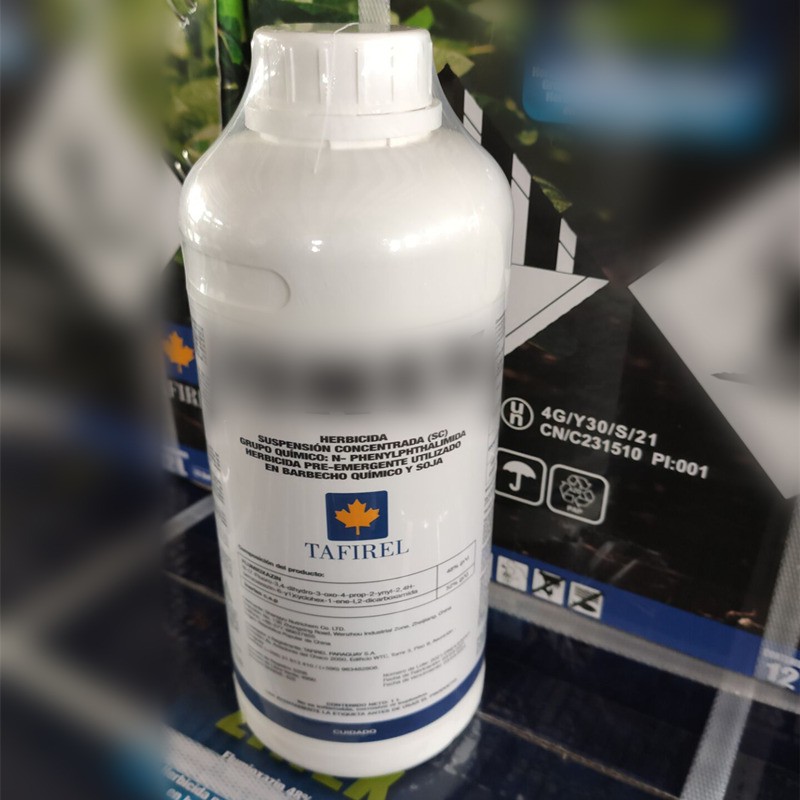
Pinoxaden is a widely used herbicide known for its effectiveness in controlling grass weeds in cereal crops. As a supplier of pinoxaden, it's crucial to understand not only its benefits but also the potential allergic reactions associated with it. This knowledge can help us provide more comprehensive information to our customers and ensure their safety during handling and use.
Understanding Pinoxaden
Pinoxaden belongs to the chemical class of pyrazolines and is a selective post - emergence herbicide. It works by inhibiting the acetyl - CoA carboxylase (ACCase) enzyme in grass weeds, which is essential for fatty acid synthesis. This leads to the disruption of cell membrane formation and ultimately the death of the targeted weeds. The Pinoxaden 100G/L + Cloquintocet - mexyl 25G/L EC formulation is a common product in the market, where cloquintocet - mexyl acts as a safener to protect cereal crops from the herbicidal effects of pinoxaden.
Potential Allergic Reactions
Skin Reactions
One of the most common potential allergic reactions to pinoxaden is skin irritation. When pinoxaden comes into direct contact with the skin, it can cause symptoms such as redness, itching, and a burning sensation. In some cases, more severe reactions like blistering and swelling may occur. These reactions are often the result of an immune response triggered by the chemical components of pinoxaden. People with sensitive skin are particularly at risk. For example, farmworkers who handle pinoxaden - containing products during spraying or mixing operations may be exposed to the herbicide on their hands, forearms, and other exposed skin areas.
Respiratory Reactions
Inhalation of pinoxaden particles or vapors can lead to respiratory allergic reactions. Symptoms may include coughing, wheezing, shortness of breath, and nasal congestion. Prolonged or repeated exposure to high concentrations of pinoxaden in the air can cause more serious respiratory problems, such as asthma - like symptoms or even chronic obstructive pulmonary disease (COPD) in extreme cases. Agricultural workers in poorly ventilated areas during the spraying of pinoxaden - based herbicides are at a higher risk of developing these respiratory issues.
Eye Reactions
If pinoxaden gets into the eyes, it can cause significant irritation. Symptoms may include redness, pain, tearing, and blurred vision. In severe cases, it can lead to corneal damage, which may require immediate medical attention. Accidental splashing during the mixing or application of pinoxaden products is a common way for the herbicide to enter the eyes.

Systemic Reactions
Although less common, systemic allergic reactions to pinoxaden can occur. These reactions involve the whole body and can be life - threatening. Symptoms may include hives, swelling of the face, lips, tongue or throat, difficulty swallowing, and a drop in blood pressure. Anaphylaxis, a severe and potentially fatal allergic reaction, is the most extreme form of a systemic reaction. It requires immediate treatment with epinephrine and emergency medical care.
Factors Affecting Allergic Reactions
Exposure Level
The severity of allergic reactions is often related to the level of exposure to pinoxaden. Higher concentrations of the herbicide and longer exposure times increase the likelihood and severity of allergic responses. For example, workers who are involved in the large - scale production or mixing of pinoxaden products may be exposed to higher levels of the chemical compared to those who only use it in small - scale home gardening.
Individual Sensitivity
Individuals vary in their sensitivity to pinoxaden. Some people may have a genetic predisposition to allergic reactions, making them more likely to develop symptoms even with minimal exposure. Other factors such as pre - existing skin conditions, respiratory diseases, or a weakened immune system can also increase an individual's susceptibility to allergic reactions.
Prevention and Management of Allergic Reactions
Prevention
- Personal Protective Equipment (PPE): Wearing appropriate PPE is essential when handling pinoxaden. This includes gloves, long - sleeved shirts, long pants, goggles, and a respirator. PPE can significantly reduce the risk of skin, eye, and respiratory exposure to the herbicide.
- Proper Handling and Storage: Following proper handling and storage procedures is crucial. Pinoxaden products should be stored in a cool, dry, and well - ventilated area, away from food, feed, and water sources. When mixing and applying the herbicide, it should be done in a well - ventilated area, and all instructions on the product label should be strictly followed.
- Training and Education: Providing training and education to users about the potential risks of pinoxaden and how to prevent allergic reactions is important. This can include information on proper PPE use, first - aid measures, and emergency response procedures.
Management
- First - Aid Measures: In case of skin contact, the affected area should be washed immediately with plenty of soap and water. For eye contact, the eyes should be flushed with clean water for at least 15 minutes. If inhalation occurs, the person should be moved to an area with fresh air.
- Medical Treatment: If allergic symptoms persist or are severe, medical treatment should be sought immediately. This may include the use of antihistamines to relieve mild allergic symptoms, corticosteroids for more severe reactions, and epinephrine in case of anaphylaxis.
Conclusion
As a pinoxaden supplier, we have a responsibility to inform our customers about the potential allergic reactions associated with pinoxaden. By understanding these risks, users can take appropriate preventive measures to protect themselves during handling and use. We are committed to providing high - quality pinoxaden products and comprehensive information to ensure the safety and satisfaction of our customers. If you are interested in purchasing pinoxaden products or have any questions about their use and safety, please feel free to contact us for further discussion and negotiation.
References
- "The Pesticide Manual: A World Compendium". British Crop Protection Council.
- Scientific research papers on the toxicology and allergic effects of pinoxaden published in peer - reviewed journals such as "Journal of Agricultural and Food Chemistry" and "Environmental Health Perspectives".