As a supplier of oxyfluorfen, I've witnessed firsthand the growing interest in its various applications, particularly in the realm of herbicide use. Oxyfluorfen is a well - known herbicide that has been widely used in agriculture, horticulture, and non - crop areas to control a broad spectrum of annual and perennial broadleaf and grassy weeds. However, in recent times, there has been a significant amount of discussion about its impact on beneficial insects. This blog aims to delve into this topic and provide a comprehensive understanding of how oxyfluorfen might affect these important members of our ecosystem.
Understanding Oxyfluorfen
Oxyfluorfen belongs to the diphenyl ether family of herbicides. It works by inhibiting protoporphyrinogen oxidase (PPO), an enzyme involved in the biosynthesis of chlorophyll. When plants absorb oxyfluorfen, it disrupts the normal function of this enzyme, leading to the accumulation of toxic compounds that cause cell membrane damage and ultimately result in the death of the target weeds.
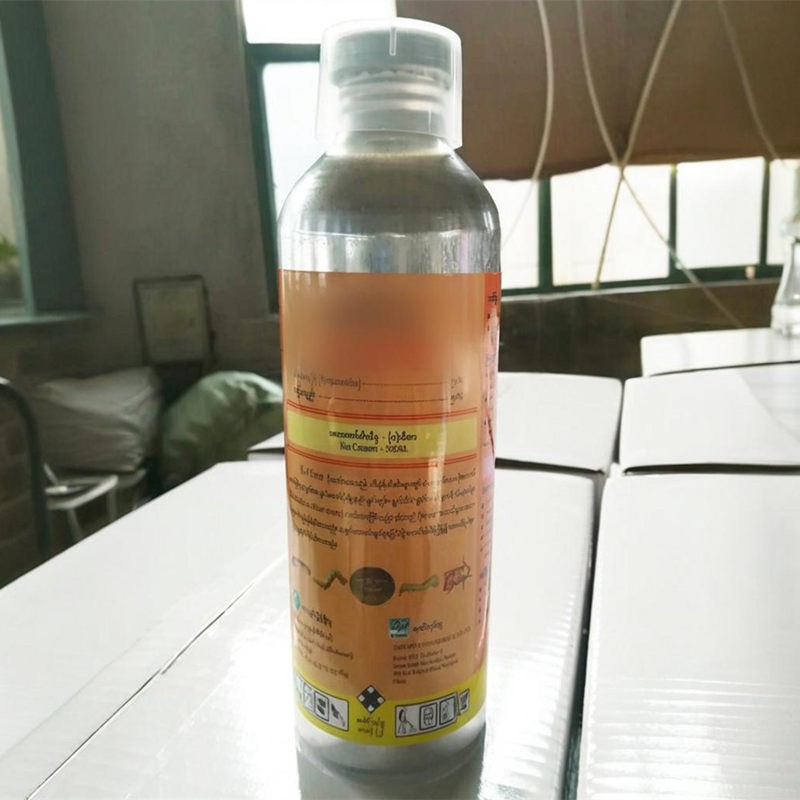
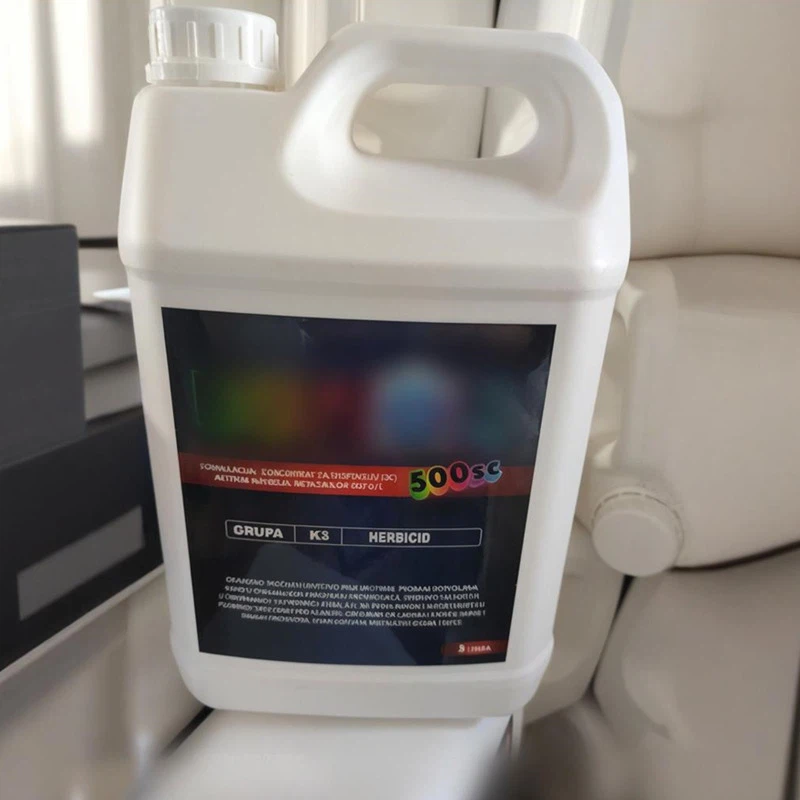
One of the popular formulations of oxyfluorfen that we supply is Oxyfluorfen 240G/L EC. This emulsifiable concentrate formulation is easy to mix with water and apply, making it a convenient choice for many farmers and land managers.
Beneficial Insects: Their Importance
Beneficial insects play a crucial role in our environment. Pollinators such as bees, butterflies, and hoverflies are essential for the reproduction of many plants, including a large number of agricultural crops. Without these pollinators, the production of fruits, vegetables, and nuts would be severely impacted. Predatory insects like ladybugs, lacewings, and parasitic wasps help control pest populations. They feed on aphids, mites, and other harmful insects, reducing the need for chemical pesticides and promoting a more balanced ecosystem.
Impact of Oxyfluorfen on Beneficial Insects
Direct Toxicity
The direct toxicity of oxyfluorfen to beneficial insects is a concern. Laboratory studies have shown that high concentrations of oxyfluorfen can be lethal to some insects. For example, certain species of bees may be affected if they come into direct contact with freshly sprayed oxyfluorfen. The herbicide can disrupt the insect's nervous system or damage its exoskeleton, leading to impaired mobility, feeding, and ultimately death.
However, the level of direct toxicity can vary depending on the species of the insect. Some insects may be more tolerant to oxyfluorfen than others. For instance, ladybugs might have a relatively higher tolerance compared to some more sensitive pollinator species. This difference in tolerance is related to the insect's physiology, such as the thickness of its exoskeleton and the efficiency of its detoxification mechanisms.

Indirect Effects
Apart from direct toxicity, oxyfluorfen can also have indirect effects on beneficial insects. One of the main indirect effects is through the alteration of the insects' habitat and food sources. Oxyfluorfen is designed to kill weeds, but these weeds can serve as important habitats and food sources for beneficial insects. For example, many wildflowers that are considered weeds in an agricultural context provide nectar and pollen for pollinators. When oxyfluorfen is applied, these wildflowers are eliminated, reducing the available food for bees and butterflies.
In addition, the reduction of weeds can also affect the shelter and breeding sites for some beneficial insects. Some predatory insects lay their eggs on the undersides of weed leaves or use the weeds as hiding places from predators. The loss of these weeds due to oxyfluorfen application can disrupt their life cycles and reduce their populations.
Sub - lethal Effects
Even at non - lethal concentrations, oxyfluorfen can cause sub - lethal effects on beneficial insects. These effects can include changes in behavior, such as reduced foraging activity. Bees exposed to low levels of oxyfluorfen may spend less time collecting nectar and pollen, which can have a negative impact on their colony's productivity. Sub - lethal exposure can also affect the insects' reproductive capabilities. For example, it may reduce the number of eggs laid by female insects or decrease the survival rate of the offspring.
Mitigating the Impact
As a supplier of oxyfluorfen, we are aware of the importance of minimizing its impact on beneficial insects. There are several strategies that can be employed to achieve this.
Targeted Application
Using targeted application methods can help reduce the amount of oxyfluorfen that comes into contact with beneficial insects. For example, instead of broadcast spraying, which can cover a large area and potentially affect non - target insects, spot spraying can be used. Spot spraying involves applying the herbicide only to the areas where weeds are present, minimizing the exposure of beneficial insects to the chemical.
Timing of Application
The timing of oxyfluorfen application is also crucial. Applying the herbicide when beneficial insects are less active can reduce the risk of exposure. For example, early morning or late evening are often the times when bees are less likely to be foraging. By avoiding spraying during the peak activity periods of beneficial insects, we can reduce the potential impact on their populations.
Buffer Zones
Creating buffer zones around areas where beneficial insects are likely to be present can also be an effective strategy. These buffer zones can be areas where no oxyfluorfen is applied, providing a safe haven for beneficial insects. For example, leaving a strip of unsprayed vegetation around the edges of a field can serve as a buffer zone for pollinators and predatory insects.
Conclusion
In conclusion, oxyfluorfen can have both direct and indirect impacts on beneficial insects. While it is an effective herbicide for controlling weeds, it is essential to be aware of its potential effects on these important members of the ecosystem. As a supplier, we are committed to promoting the responsible use of oxyfluorfen. By implementing strategies such as targeted application, proper timing of application, and the creation of buffer zones, we can minimize the impact on beneficial insects while still achieving effective weed control.
If you are interested in learning more about oxyfluorfen and its applications or if you are considering purchasing our Oxyfluorfen 240G/L EC, please feel free to contact us for further discussions and to explore how we can meet your specific needs.
References
- [List of relevant scientific papers on oxyfluorfen and its impact on insects, e.g., "The effects of oxyfluorfen on non - target arthropods in agricultural ecosystems" by Author1, Journal1, Year1]
- [Another relevant reference, such as "Impact of herbicides on beneficial insects: A review" by Author2, Journal2, Year2]