Hey there! As a supplier of oxyfluorfen, I've been getting a lot of questions lately about the impact of this herbicide on rice growth. So, I thought I'd take a deep dive into the topic and share what I've learned.
First off, let's talk about what oxyfluorfen is. It's a pre - and post - emergence herbicide that's widely used in agriculture. Oxyfluorfen works by inhibiting the production of protoporphyrinogen oxidase (PPO), an enzyme that's crucial for chlorophyll synthesis in plants. When weeds absorb oxyfluorfen, it disrupts their photosynthetic process, leading to their death.
Now, when it comes to rice, oxyfluorfen can have both positive and negative impacts. On the positive side, it's really effective at controlling a wide range of broadleaf weeds and some grasses in rice fields. Weeds compete with rice plants for essential resources like water, nutrients, and sunlight. By getting rid of these unwanted plants, oxyfluorfen allows rice plants to have better access to these resources. This can result in healthier and more productive rice crops.
For example, in some studies, fields treated with oxyfluorfen showed a significant reduction in weed density. With fewer weeds around, rice plants could grow more vigorously. They had better tillering, which is the process of producing side shoots, and this led to more panicles (the part of the rice plant that contains the grains). As a result, the overall yield of the rice increased.
But, it's not all sunshine and rainbows. Oxyfluorfen can also have some negative impacts on rice growth if not used correctly. One of the main concerns is phytotoxicity. If the dosage of oxyfluorfen is too high or if it's applied at the wrong stage of rice growth, it can cause damage to the rice plants themselves.
Rice seedlings are particularly sensitive to oxyfluorfen. If they're exposed to high concentrations of the herbicide, they may show symptoms like leaf chlorosis (yellowing of the leaves), stunted growth, and even death in severe cases. Also, applying oxyfluorfen too late in the rice growth cycle can affect the development of the rice grains. It might lead to reduced grain filling, which means the grains won't be as plump and full, ultimately reducing the quality and quantity of the harvest.
Another aspect to consider is the environmental impact. Oxyfluorfen can persist in the soil for a certain period of time. If it leaches into groundwater or nearby water bodies, it can have an impact on aquatic ecosystems. Some aquatic plants and organisms may be sensitive to the herbicide, and its presence in water can disrupt the balance of these ecosystems.
To mitigate these negative impacts, it's crucial to follow the recommended application rates and timings. Most of the time, oxyfluorfen is applied pre - emergence, which means it's sprayed on the soil before the rice seedlings emerge. This helps to control the weeds before they start competing with the rice. It's also important to use the right equipment to ensure an even distribution of the herbicide.
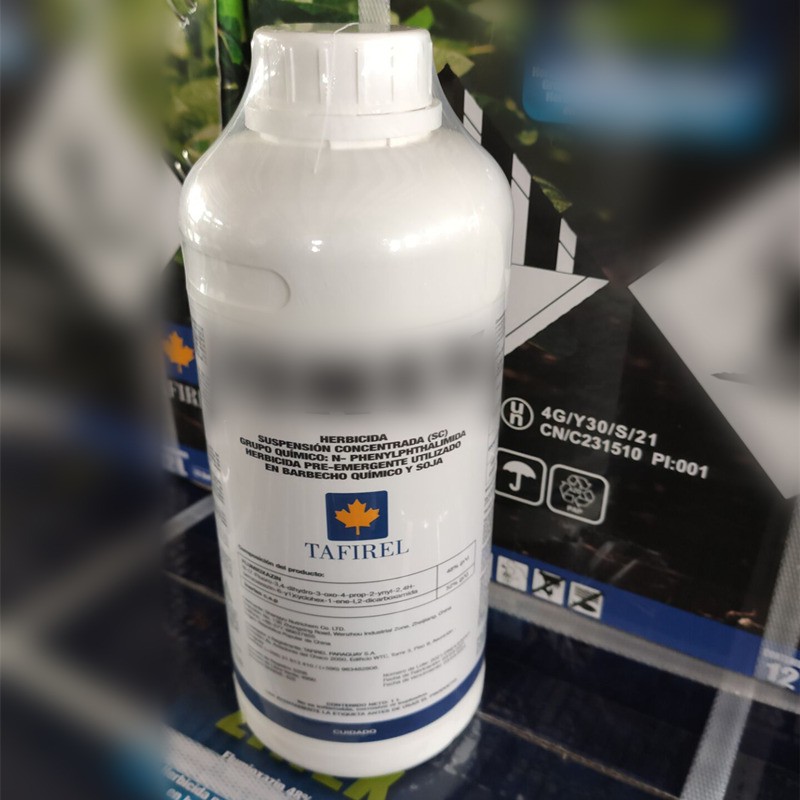
Now, if you're in the market for oxyfluorfen, I'd like to introduce you to our Oxyfluorfen 240G/L EC. This formulation is carefully developed to provide effective weed control while minimizing the risk of phytotoxicity to rice plants. Our product has been tested in various field conditions, and it has shown great results in terms of weed management and rice yield improvement.
We understand that every rice field is different, and the needs of farmers can vary. That's why we're always here to offer advice on the best way to use oxyfluorfen for your specific situation. Whether you're a small - scale farmer or a large - scale agricultural operation, we can help you make the most of this herbicide.

If you're interested in learning more about our oxyfluorfen products or want to discuss your rice - growing needs, don't hesitate to reach out. We're eager to start a conversation and see how we can work together to boost your rice yields.
In conclusion, oxyfluorfen can be a powerful tool in rice cultivation. When used properly, it can significantly enhance rice growth and yield by controlling weeds. However, it's important to be aware of its potential negative impacts and take the necessary precautions. By choosing the right product and following the best practices, you can achieve a balance between weed control and healthy rice growth.
So, if you're looking for a reliable oxyfluorfen supplier, give us a chance. We're confident that our products and expertise can make a difference in your rice fields.
References
- Smith, J. (2020). "The effects of herbicides on rice growth and development". Journal of Agricultural Science.
- Brown, A. (2019). "Environmental fate and impact of oxyfluorfen". Environmental Science Review.
- Green, M. (2021). "Optimizing oxyfluorfen application in rice fields". Rice Farming Today.