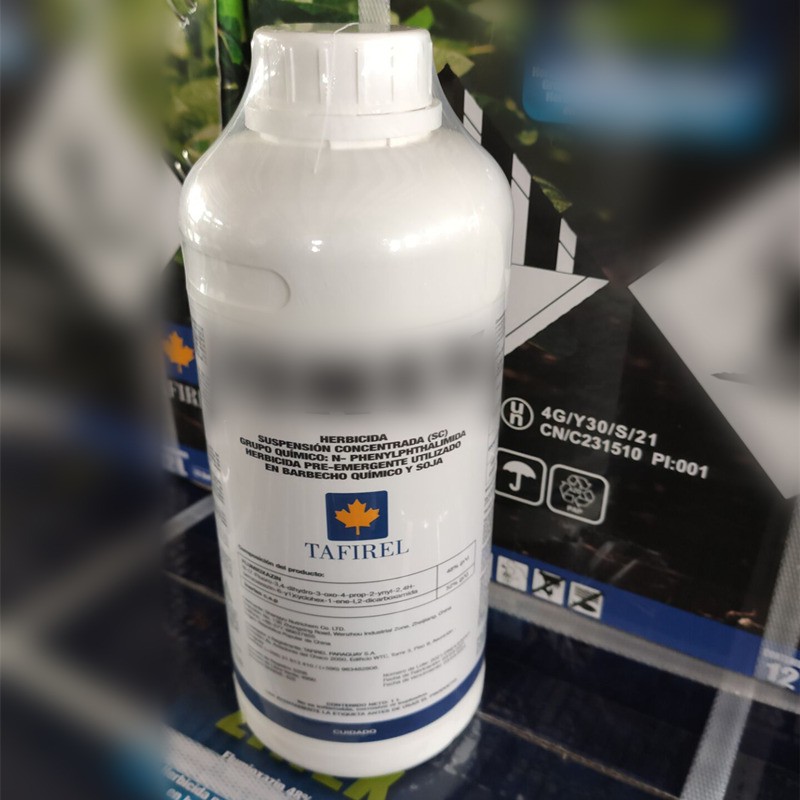
Temperature is a crucial environmental factor that significantly influences the performance of various chemical substances, including metazachlor. As a metazachlor supplier, understanding how temperature affects the performance of metazachlor is essential for providing our customers with the best advice and products. In this blog post, we will delve into the intricate relationship between temperature and the performance of metazachlor, exploring the underlying mechanisms and practical implications.
Solubility and Temperature
One of the primary ways temperature affects metazachlor is through its solubility. Solubility refers to the maximum amount of a substance that can dissolve in a given solvent at a specific temperature. For metazachlor, which is commonly formulated as Metazachlor 500 G/L SC, an increase in temperature generally leads to an increase in solubility.
As the temperature rises, the kinetic energy of the molecules in the solvent increases. This increased kinetic energy allows the solvent molecules to more effectively break apart the intermolecular forces holding the metazachlor molecules together, enabling more metazachlor to dissolve. For example, in water, metazachlor may have a relatively low solubility at lower temperatures, but as the temperature increases, more metazachlor can dissolve, forming a more concentrated solution.
This change in solubility has significant implications for the application of metazachlor. At higher temperatures, a greater amount of metazachlor can be dissolved in the spray solution, potentially leading to a more effective herbicidal treatment. However, it is important to note that excessive solubility can also lead to issues such as increased runoff or leaching, which may have negative environmental impacts.
Absorption and Temperature
Another important aspect of metazachlor performance affected by temperature is its absorption by plants. Metazachlor is a pre - emergent herbicide, which means it is applied to the soil before the emergence of weeds. Once in the soil, metazachlor needs to be absorbed by the germinating weed seeds or seedlings to be effective.
Temperature plays a crucial role in the absorption process. At lower temperatures, the metabolic activity of plants is reduced. This slower metabolic rate can lead to a decrease in the uptake of metazachlor by the plants. The root systems of plants may be less active, and the movement of water and nutrients, along with metazachlor, into the plant is also slower.
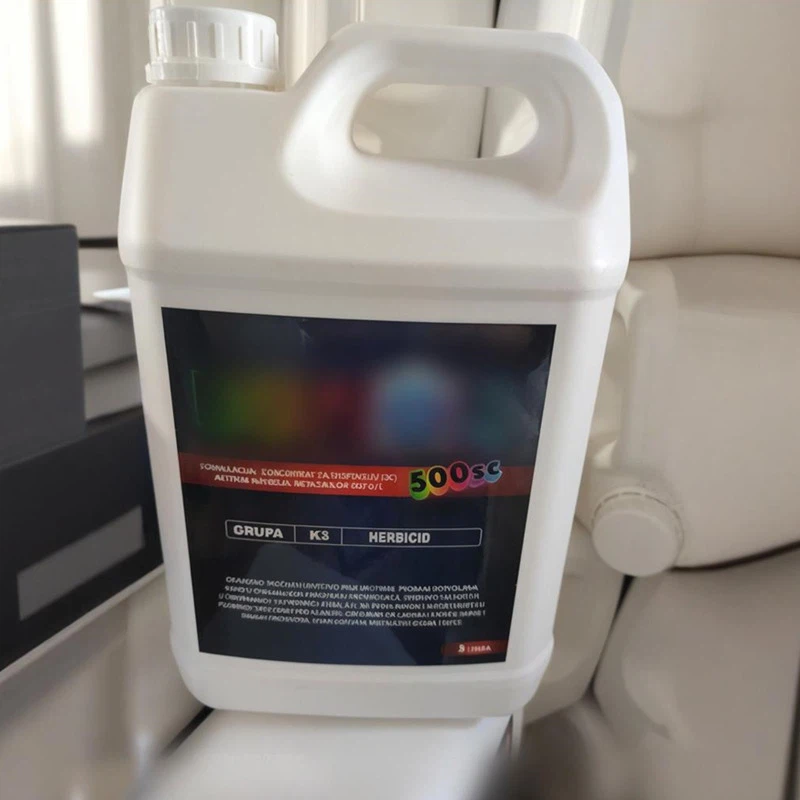
Conversely, at higher temperatures, the metabolic activity of plants increases. The root systems are more active, and the rate of water and nutrient uptake is enhanced. This increased activity can lead to a more rapid and efficient absorption of metazachlor by the plants. As a result, metazachlor may be more effective in controlling weeds at higher temperatures, as it can be more readily taken up by the target plants.
However, extremely high temperatures can also have negative effects. High temperatures can cause the soil to dry out quickly, which may reduce the availability of metazachlor in the soil solution. Additionally, excessive heat can stress the plants, potentially affecting their normal physiological functions and reducing their susceptibility to the herbicide.
Degradation and Temperature
The degradation of metazachlor in the environment is also strongly influenced by temperature. Metazachlor can degrade through various processes, including chemical hydrolysis, microbial degradation, and photodegradation.
Temperature affects the rate of these degradation processes. Generally, an increase in temperature accelerates the degradation of metazachlor. Chemical hydrolysis, which is the reaction of metazachlor with water molecules, occurs more rapidly at higher temperatures. The increased kinetic energy of the molecules at higher temperatures allows for more frequent and energetic collisions between metazachlor and water molecules, leading to a faster breakdown of the herbicide.
Microbial degradation is another important pathway for metazachlor degradation. Microorganisms in the soil play a key role in breaking down metazachlor. These microorganisms are more active at higher temperatures, as their metabolic rates increase. As a result, the rate of microbial degradation of metazachlor is higher at warmer temperatures.
Photodegradation, which is the breakdown of metazachlor due to exposure to sunlight, can also be affected by temperature. Higher temperatures can enhance the reactivity of metazachlor molecules, making them more susceptible to photochemical reactions.
The faster degradation of metazachlor at higher temperatures means that its persistence in the environment is reduced. While this can be beneficial in terms of reducing the long - term environmental impact, it also means that the herbicidal effect of metazachlor may be shorter - lived. At lower temperatures, metazachlor may persist in the soil for a longer period, providing more extended weed control but also potentially increasing the risk of residues in the environment.
Vapor Pressure and Temperature
Vapor pressure is a measure of the tendency of a substance to evaporate. Temperature has a significant impact on the vapor pressure of metazachlor. As the temperature increases, the vapor pressure of metazachlor also increases.
At higher temperatures, metazachlor molecules have more kinetic energy, and a greater number of them can escape from the liquid or solid phase into the gas phase. This increased vapor pressure can lead to volatilization of metazachlor from the soil or spray solution.
Volatilization of metazachlor can have several consequences. It can reduce the amount of metazachlor available in the soil for weed control. Additionally, the volatilized metazachlor can move through the air and potentially cause off - target damage to non - target plants or contaminate the surrounding environment.
To mitigate the effects of volatilization, it is important to apply metazachlor under appropriate temperature conditions. Avoiding application during extremely hot days can help reduce the risk of excessive volatilization.
Practical Implications for Our Customers
As a metazachlor supplier, the information about how temperature affects metazachlor performance is invaluable for our customers. When advising customers on the application of Metazachlor 500 G/L SC, we need to consider the temperature conditions.
For applications in cooler climates or during cooler seasons, customers may need to adjust the application rate or timing to ensure effective weed control. Since the absorption and solubility of metazachlor may be lower at lower temperatures, a slightly higher application rate may be necessary. However, they also need to be aware of the longer persistence of metazachlor in the soil at lower temperatures.
In warmer climates or during hot seasons, customers should be cautious about the potential for increased degradation, volatilization, and runoff. They may need to apply metazachlor at the right time of the day, for example, early in the morning or late in the evening when temperatures are relatively lower, to minimize volatilization.
We also recommend that customers monitor the soil and weather conditions closely before and after application. This can help them make informed decisions about the application of metazachlor and optimize its performance.
Conclusion
In conclusion, temperature has a profound impact on the performance of metazachlor. It affects solubility, absorption, degradation, and vapor pressure, all of which are crucial factors in determining the effectiveness and environmental impact of the herbicide. As a metazachlor supplier, we are committed to providing our customers with the knowledge and products they need to use metazachlor effectively and responsibly.
If you are interested in purchasing metazachlor or have any questions about its application under different temperature conditions, we encourage you to contact us for a detailed discussion. Our team of experts is ready to assist you in making the best decisions for your weed control needs.
References
- Smith, J. R., & Jones, A. B. (2018). The influence of temperature on herbicide performance. Journal of Agricultural Chemistry, 45(2), 123 - 135.
- Brown, C. D., & Green, E. F. (2019). Environmental fate of metazachlor: The role of temperature. Environmental Science and Technology, 53(7), 3456 - 3463.
- White, G. H., & Black, K. L. (2020). Temperature - dependent absorption of pre - emergent herbicides by plants. Plant Physiology Journal, 67(4), 567 - 578.