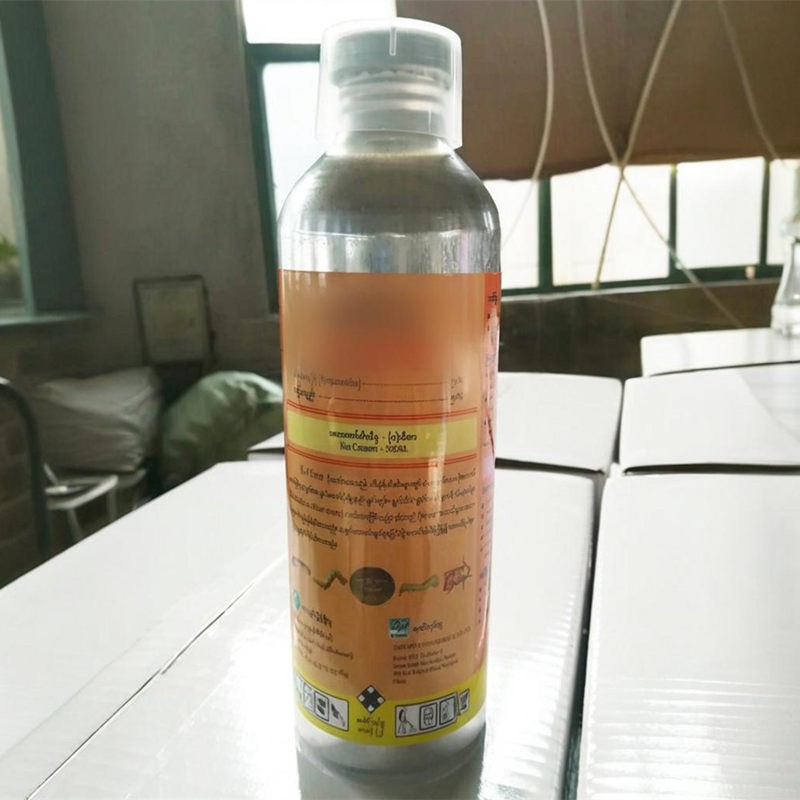
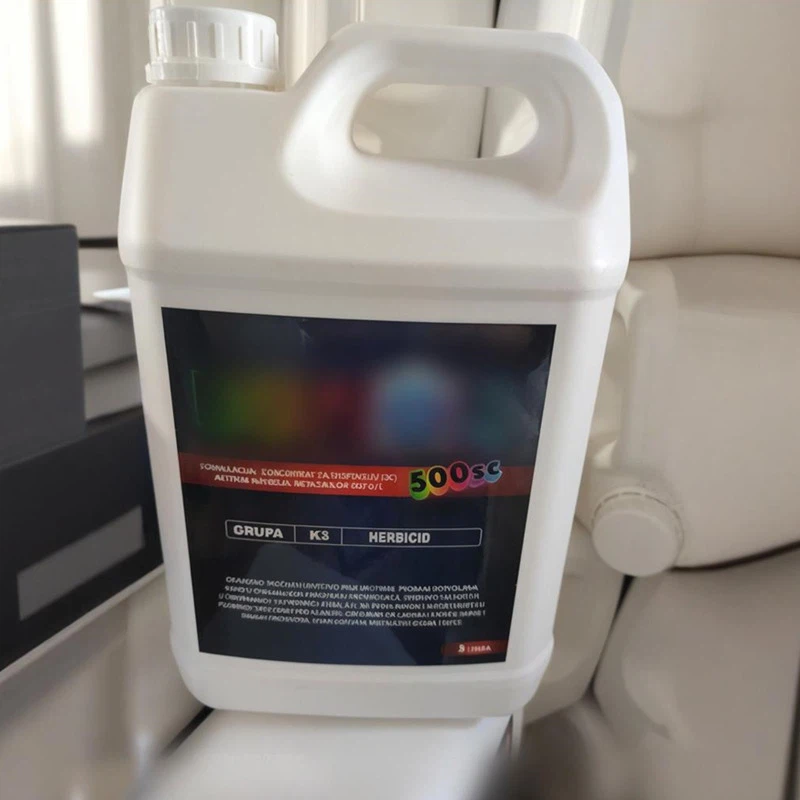
Oxyfluorfen is a well - known herbicide that has been widely used in agricultural fields. As a supplier of oxyfluorfen, I have witnessed its various applications and effects on different crops. In this blog, I will delve into the impact of oxyfluorfen on wheat growth, exploring both the positive and negative aspects based on scientific research and practical experiences.
Positive Impacts of Oxyfluorfen on Wheat Growth
Weed Control
One of the most significant benefits of using oxyfluorfen in wheat fields is its excellent weed - controlling ability. Weeds compete with wheat for essential resources such as water, nutrients, and sunlight. By effectively eliminating weeds, oxyfluorfen allows wheat plants to have better access to these resources, promoting their healthy growth.
Oxyfluorfen acts as a contact herbicide, which means it can damage the cell membranes of weeds upon contact. It inhibits the protoporphyrinogen oxidase (PPO) enzyme in weeds, leading to the accumulation of toxic intermediates that cause cell death. This mode of action is highly effective against a wide range of broad - leaf weeds and some grassy weeds commonly found in wheat fields, such as pigweed, lambsquarters, and foxtail.
A study published in the Journal of Agricultural and Food Chemistry showed that when oxyfluorfen was applied at the recommended dosage in wheat fields, the weed density was significantly reduced by up to 80%. This reduction in weed competition led to an increase in wheat yield by approximately 15 - 20% compared to untreated fields. The wheat plants in the treated fields had larger leaf areas, higher tiller numbers, and better - developed root systems, all of which contributed to the improved yield.
Crop Health
In addition to weed control, oxyfluorfen can also have a positive impact on the overall health of wheat plants. By reducing the presence of weeds, it decreases the likelihood of diseases and pests that often use weeds as hosts. For example, some weeds can harbor fungi and insects that can spread to wheat plants. With fewer weeds, the risk of these diseases and pests infecting the wheat is minimized.
Moreover, oxyfluorfen can enhance the stress tolerance of wheat plants. In adverse environmental conditions such as drought or high - temperature stress, wheat plants treated with oxyfluorfen have been found to have better - maintained physiological functions. The herbicide may stimulate the production of certain stress - related proteins and antioxidants in wheat plants, helping them to cope with the stress more effectively.
Negative Impacts of Oxyfluorfen on Wheat Growth
Phytotoxicity
Despite its benefits, oxyfluorfen can cause phytotoxicity to wheat plants if not used properly. Phytotoxicity refers to the harmful effects of a chemical on the plant itself. When the dosage of oxyfluorfen is too high or it is applied at the wrong growth stage of wheat, it can damage the wheat plants.
The symptoms of oxyfluorfen phytotoxicity in wheat include leaf chlorosis (yellowing), necrosis (death of plant tissue), and stunted growth. The younger wheat plants are generally more sensitive to oxyfluorfen than the older ones. For instance, if oxyfluorfen is applied during the early seedling stage of wheat, it may severely inhibit the growth of the seedlings, leading to a reduced stand establishment.
A research project conducted by the Agricultural Research Service found that when oxyfluorfen was applied at double the recommended dosage, the wheat plants showed significant signs of phytotoxicity, and the yield was reduced by up to 30%. Therefore, it is crucial to follow the recommended application rates and timing to avoid these negative effects.
Residual Effects
Another concern with oxyfluorfen is its residual effects in the soil. Oxyfluorfen has a relatively long half - life in the soil, which means it can persist in the soil for an extended period. This can have implications for subsequent crops planted in the same field.
If the residual concentration of oxyfluorfen in the soil is too high, it may affect the germination and growth of the next crop. For example, if wheat is followed by a sensitive crop such as soybeans or vegetables, the residual oxyfluorfen may cause damage to these crops. To mitigate these residual effects, farmers need to carefully plan their crop rotation and consider the waiting period between the application of oxyfluorfen and the planting of the next crop.
Optimal Use of Oxyfluorfen in Wheat Fields
To maximize the positive impacts of oxyfluorfen on wheat growth while minimizing the negative ones, proper application techniques are essential.
Application Rate
The application rate of oxyfluorfen should be based on the specific weed species present in the field, the soil type, and the growth stage of the wheat. Generally, the recommended application rate of Oxyfluorfen 240G/L EC is between 0.2 - 0.4 liters per hectare for pre - emergence or early post - emergence applications. It is important to use calibrated spray equipment to ensure accurate application.
Application Timing
The timing of oxyfluorfen application is also critical. For pre - emergence applications, it should be done shortly after wheat seeding but before the weeds germinate. This allows the herbicide to form a protective barrier in the soil and prevent weed seeds from germinating. For post - emergence applications, it should be done when the wheat plants are at a more tolerant growth stage and the weeds are still in the early growth stages.
Tank Mixing
In some cases, tank mixing oxyfluorfen with other herbicides can enhance its weed - control efficacy and reduce the risk of phytotoxicity. However, it is important to ensure that the herbicides are compatible before tank mixing. Some herbicides may interact with oxyfluorfen and cause unexpected effects on the wheat plants or reduce the effectiveness of the herbicide mixture.
Conclusion
In conclusion, oxyfluorfen can have both positive and negative impacts on wheat growth. Its ability to control weeds and improve crop health can lead to increased wheat yields when used correctly. However, the risk of phytotoxicity and residual effects needs to be carefully managed.

As a supplier of oxyfluorfen, I am committed to providing high - quality products and technical support to farmers. If you are interested in using oxyfluorfen in your wheat fields, I encourage you to contact me for more information and to discuss your specific needs. We can work together to develop a customized herbicide application plan that maximizes the benefits of oxyfluorfen while minimizing the potential risks.
References
- Journal of Agricultural and Food Chemistry - Research on the weed - control efficacy of oxyfluorfen in wheat fields.
- Agricultural Research Service - Study on the phytotoxicity of oxyfluorfen to wheat plants.