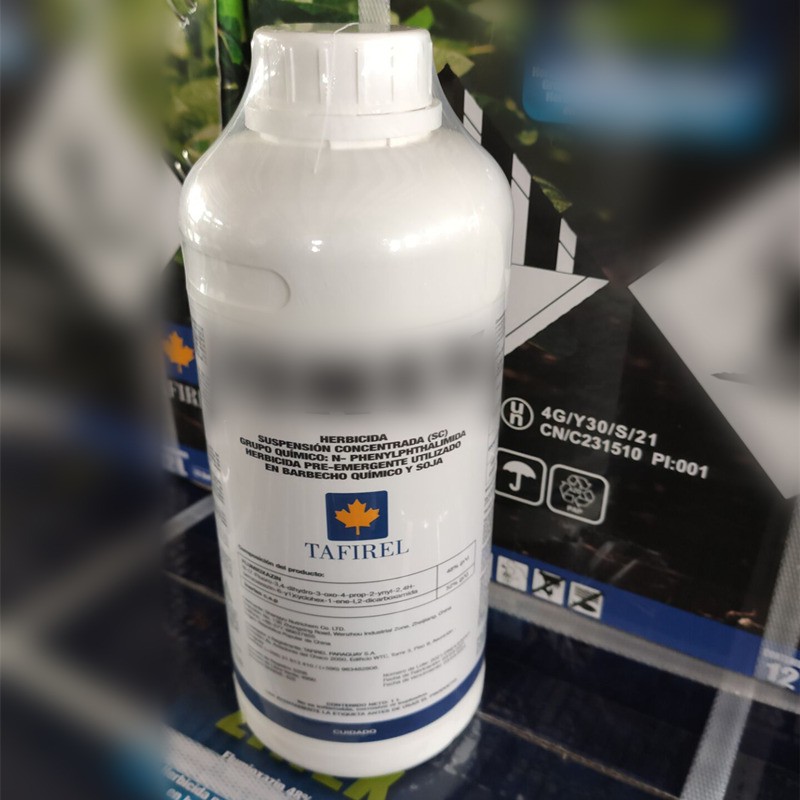
Hey there, fellow agriculturists and herbicide enthusiasts! I'm a supplier of pyroxsulam, and today, I want to have a heart - to - heart about the safety precautions we should all take when handling this powerful herbicide.
First off, why is pyroxsulam so important? Well, it's a highly effective herbicide used to control a wide range of grass and broad - leaf weeds in cereal crops. It works by inhibiting the enzyme acetolactate synthase (ALS), which is crucial for the synthesis of branched - chain amino acids in plants. This disruption in the plant's metabolic pathway ultimately leads to the death of the targeted weeds. But with great power comes great responsibility, and that's where safety precautions come in.
Personal Protective Equipment (PPE)
When you're dealing with pyroxsulam, PPE is your first line of defense. You should always wear chemical - resistant gloves. These gloves are designed to prevent the herbicide from coming into direct contact with your skin. I've seen too many cases where people thought they could just use regular gloves, and they ended up with skin irritation. Trust me, it's not worth the risk.
Next, a chemical - resistant suit is a must. Pyroxsulam can be absorbed through the skin, and a good suit will act as a barrier. Make sure the suit covers your entire body, including your arms and legs. Also, don't forget about eye protection. Safety goggles are essential to prevent any splashes or mists from getting into your eyes. Eye exposure to pyroxsulam can cause irritation, redness, and in severe cases, damage to your vision.
Respiratory protection is another crucial aspect. If you're working in an area with poor ventilation or if you're handling large quantities of pyroxsulam, a respirator is necessary. A respirator with the appropriate filters will protect you from inhaling the herbicide. Inhaling pyroxsulam can cause respiratory problems, such as coughing, shortness of breath, and irritation of the throat and lungs.
Handling and Storage
When it comes to handling pyroxsulam, always follow the manufacturer's instructions. These instructions are there for a reason, and they're based on extensive research and testing. Before you start using pyroxsulam, read the label carefully. It will tell you how to mix the herbicide, the correct dosage, and the application methods.
When mixing pyroxsulam, do it in a well - ventilated area. Avoid mixing it near food, water sources, or areas where people or animals are present. Use the correct measuring equipment to ensure you're using the right amount of herbicide. Over - application can not only harm the environment but also reduce the effectiveness of the herbicide in the long run.
After mixing, transfer the solution to a suitable sprayer. Make sure the sprayer is in good working condition and that all the seals are tight to prevent leaks. When spraying, keep a safe distance from other people, animals, and sensitive plants. Also, be aware of the wind direction. You don't want the spray to drift onto areas where it's not intended.
Storage of pyroxsulam is also important. Keep it in its original container, and store it in a cool, dry place away from direct sunlight. Make sure the container is tightly sealed to prevent any spills or leaks. Keep it out of reach of children and pets. If you have any leftover pyroxsulam, don't dispose of it in the trash or pour it down the drain. Follow the proper disposal procedures, which are usually outlined on the product label.
First Aid Measures
Even with all the precautions in place, accidents can happen. That's why it's important to know the first - aid measures for pyroxsulam exposure. If pyroxsulam comes into contact with your skin, immediately remove any contaminated clothing and wash the affected area with plenty of soap and water for at least 15 minutes. If you get it in your eyes, flush them with water for at least 15 minutes and seek medical attention right away.
If you inhale pyroxsulam, move to an area with fresh air. If you're having trouble breathing, seek medical help immediately. If you accidentally swallow pyroxsulam, do not induce vomiting unless instructed to do so by a medical professional. Call the poison control center or seek medical attention right away.
Environmental Considerations
As a supplier, I'm also concerned about the environmental impact of pyroxsulam. When using this herbicide, be careful not to contaminate water sources. Avoid spraying near rivers, lakes, or streams. Pyroxsulam can be toxic to aquatic organisms, and runoff into water bodies can have a negative impact on the ecosystem.
Also, be aware of the impact on non - target plants. Some plants may be more sensitive to pyroxsulam than others. If you're spraying in an area with a diverse range of plants, make sure you're not accidentally harming non - target species.
Product Recommendation
If you're looking for a high - quality pyroxsulam product, I'd like to recommend Pyroxsulam 100G/L + Florasulam 75G/L SC. This combination product offers enhanced weed control and is formulated to be more environmentally friendly. It's been tested and proven to be effective in a variety of cereal crops.
In conclusion, handling pyroxsulam requires a high level of caution and responsibility. By following these safety precautions, you can protect yourself, the environment, and ensure the effective use of this herbicide. If you have any questions about pyroxsulam or if you're interested in purchasing our products, feel free to reach out to start a procurement discussion. We're here to help you make the most of this powerful herbicide while keeping safety at the forefront.

References
- Product label of pyroxsulam
- Agricultural research papers on herbicide safety
- Guidelines from environmental protection agencies