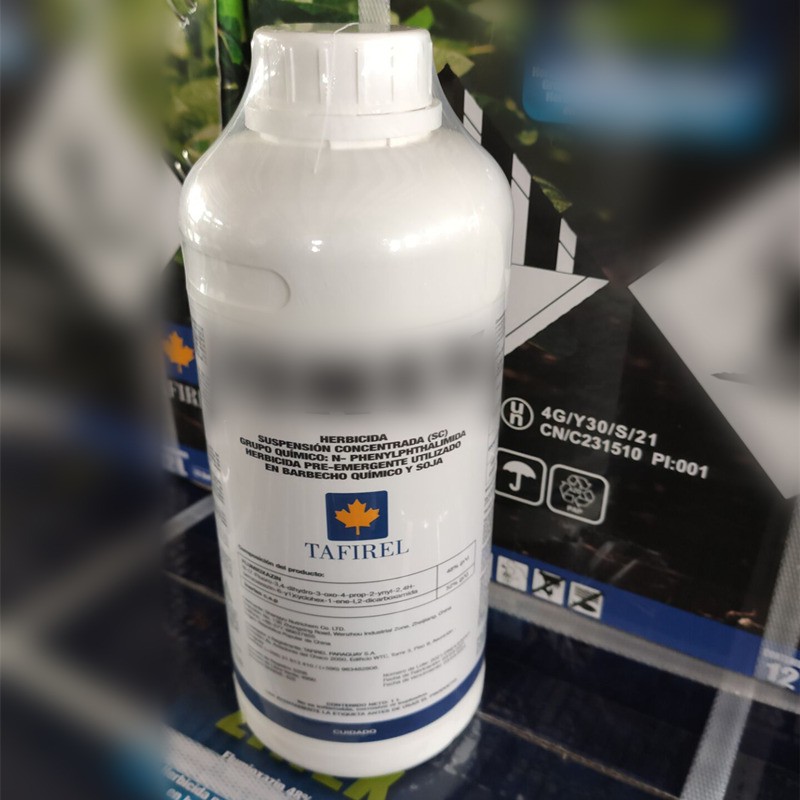
Hey there! As a profenofos supplier, I often get asked about the impact of profenofos on aquatic life. It's a crucial topic, and I'm here to break it down for you in a way that's easy to understand.
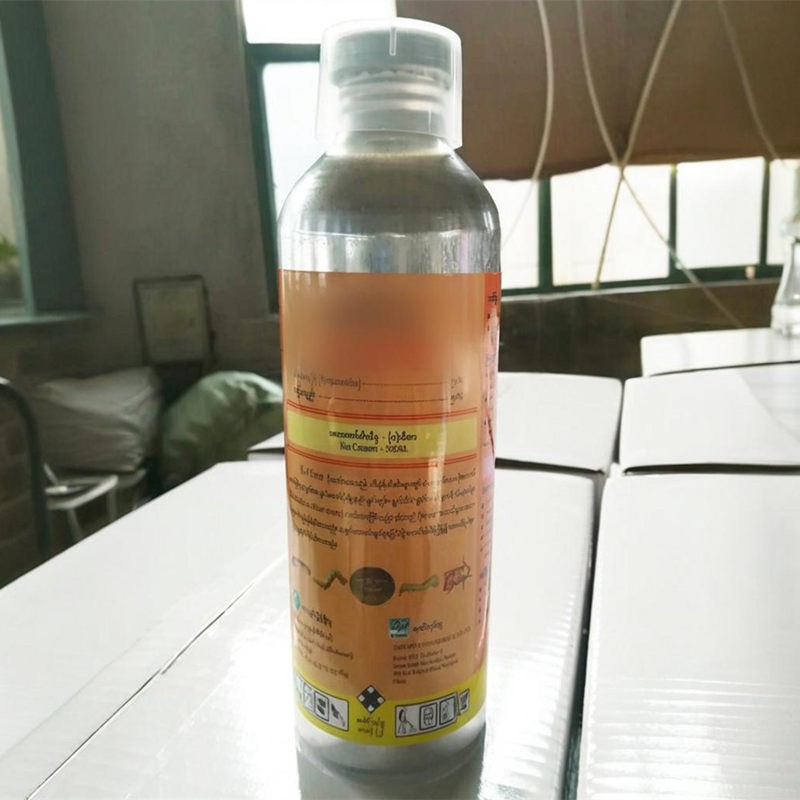
First off, let's talk about what profenofos is. Profenofos is an organophosphate insecticide that's widely used in agriculture to control a variety of pests. It's effective, but like any chemical, it has the potential to affect the environment, especially aquatic ecosystems.
One of the main concerns with profenofos is its toxicity to aquatic organisms. When profenofos enters water bodies, it can have direct and indirect effects on fish, invertebrates, and other aquatic life. Direct effects can include acute toxicity, where high concentrations of the chemical can kill fish and other organisms quickly. For example, studies have shown that certain species of fish are highly sensitive to profenofos, and exposure to relatively low concentrations can lead to mortality.
Indirect effects are also a big deal. Profenofos can disrupt the food chain in aquatic ecosystems. It can kill off important prey species, like zooplankton and small invertebrates. When these prey species decline, it can have a cascading effect on the entire ecosystem. Fish that rely on these organisms for food may struggle to find enough to eat, which can lead to reduced growth, reproduction, and overall population health.
Another issue is bioaccumulation. Profenofos has the potential to build up in the tissues of aquatic organisms over time. This means that even if the initial exposure levels are low, the concentration of the chemical in the organism's body can increase as it continues to be exposed. Bioaccumulation can be particularly harmful because it can lead to long - term health problems, such as damage to the nervous system, reproductive issues, and weakened immune systems.
Now, I know what you're thinking. If profenofos is so harmful to aquatic life, why do we still use it? Well, the reality is that it's an important tool in pest management. It helps farmers protect their crops from pests that can cause significant damage and reduce yields. Without effective pest control, food production would be severely impacted, and prices would likely go up.
But at the same time, we need to be responsible about its use. That's why there are strict regulations in place regarding the application of profenofos. These regulations are designed to minimize the risk of contamination of water bodies. For example, farmers are required to follow specific application rates and methods, and there are buffer zones around water bodies where profenofos cannot be applied.
As a supplier, I play a role in ensuring that profenofos is used safely. I work closely with farmers to educate them about the proper use of the product. I provide them with information on how to store, handle, and apply profenofos in a way that minimizes the impact on the environment. I also make sure that the profenofos I supply meets all the necessary quality and safety standards.
We also offer Profenofos 500G/L EC, which is a popular formulation of profenofos. This product is formulated to be as effective as possible while still being relatively safe when used correctly.
It's important to note that research is constantly being done to better understand the impact of profenofos on aquatic life. Scientists are looking for ways to reduce its toxicity and develop more environmentally friendly alternatives. And as new information becomes available, the regulations and best practices for using profenofos will continue to evolve.
In conclusion, while profenofos does have the potential to harm aquatic life, when used responsibly and in accordance with regulations, the risks can be minimized. We need to balance the benefits of using profenofos for pest control with the need to protect our precious aquatic ecosystems.
If you're a farmer or someone involved in the agricultural industry and you're interested in learning more about profenofos or are thinking about making a purchase, I'd love to talk to you. We can have a detailed discussion about your specific needs and how profenofos can fit into your pest management strategy. Don't hesitate to reach out and start a conversation about procurement and how we can work together to ensure both effective pest control and environmental protection.
References
- [List of relevant scientific studies on the impact of profenofos on aquatic life, e.g., "Toxicity of profenofos to different life stages of fish species X" by Author1, Year; "Bioaccumulation of profenofos in aquatic invertebrates" by Author2, Year etc.]