Hey there, fellow agriculture enthusiasts! As a thiacloprid supplier, I'm super stoked to dive deep into the impact of thiacloprid on beetles in the agricultural ecosystem. It's a topic that's not only crucial for us in the industry but also for the future of sustainable farming.
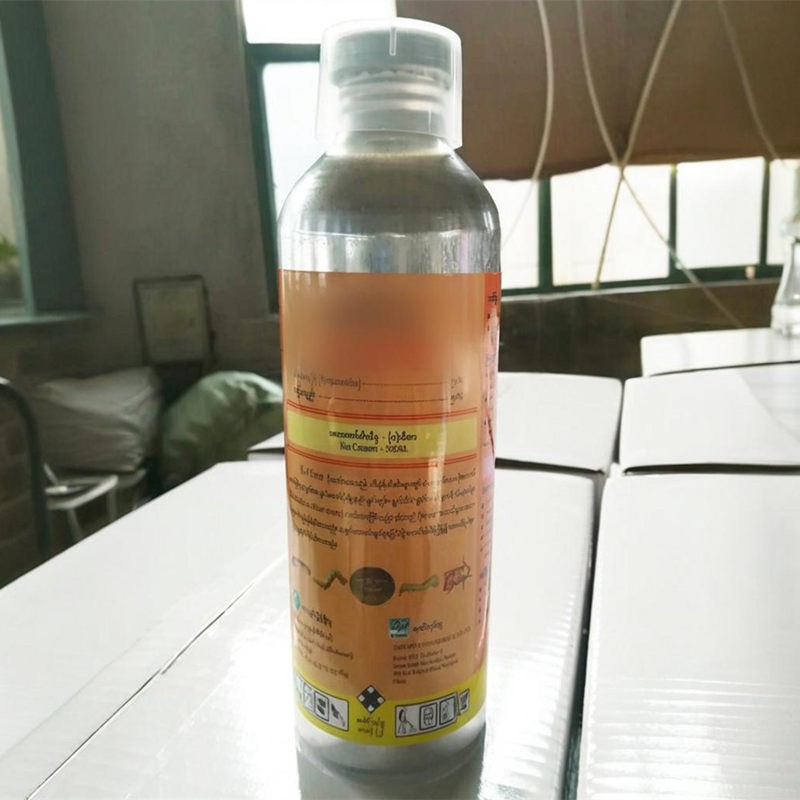
First off, let's get a basic understanding of what thiacloprid is. Thiacloprid is a widely - used insecticide in the neonicotinoid class. It's known for its effectiveness against a variety of pests, and it's commonly found in products like Thiacloprid 240G/L OD. This stuff has been a game - changer for farmers looking to protect their crops from pesky bugs.

Now, beetles are a diverse group in the agricultural world. They can be both friends and foes. Some beetles, like ladybugs, are beneficial as they feast on aphids and other harmful pests. On the other hand, there are beetles such as the Colorado potato beetle that can cause significant damage to crops. Thiacloprid comes into play here to manage the population of harmful beetles.
When it comes to the impact on harmful beetles, thiacloprid works like a charm. It targets the nervous system of these insects. Once a beetle comes into contact with thiacloprid, either by direct spray or by ingesting treated plant material, the chemical binds to specific receptors in its nervous system. This disrupts the normal nerve impulses, leading to paralysis and eventually death. For farmers dealing with beetle infestations, this means they can protect their yields and keep their crops healthy.
Let's take the example of the pea leaf weevil. This beetle can cause major damage to pea crops by feeding on the leaves and roots. Thiacloprid can be applied as a seed treatment or foliar spray. When used as a seed treatment, it provides long - term protection to the emerging plants. The chemical is taken up by the plant and distributed throughout its tissues. So, when the pea leaf weevil starts munching on the plant, it gets a lethal dose of thiacloprid.
But it's not all rosy. There are also concerns about the impact of thiacloprid on non - target beetles. As I mentioned earlier, ladybugs are our allies in the field. They help control aphid populations naturally. Unfortunately, thiacloprid is not very selective. It can also affect these beneficial beetles. When ladybugs come into contact with thiacloprid, they may experience reduced mobility, impaired foraging ability, and even death. This can have a cascading effect on the ecosystem. If the ladybug population declines, aphid populations can skyrocket, leading to more pest problems for farmers.
Another aspect to consider is the development of resistance in beetles. Over time, if thiacloprid is used too frequently or inappropriately, beetles can develop resistance to the chemical. Just like bacteria can become resistant to antibiotics, beetles can evolve mechanisms to withstand the effects of thiacloprid. This means that the chemical may become less effective over time, forcing farmers to use higher doses or switch to other, potentially more harmful, pesticides.
To mitigate these negative impacts, it's important to use thiacloprid responsibly. Integrated Pest Management (IPM) strategies are key. This involves using a combination of methods, such as biological control (encouraging the presence of beneficial insects), cultural practices (like crop rotation), and only using thiacloprid when absolutely necessary. For example, instead of blanket spraying an entire field, farmers can target specific areas where beetle infestations are severe.
Now, let's talk about the environmental impact. Thiacloprid can persist in the soil and water for some time. It can leach into groundwater or run off into nearby water bodies. This can have an impact on aquatic ecosystems. Some beetles that live in or near water, like water scavenger beetles, can be affected by thiacloprid contamination. These beetles play important roles in the aquatic food chain, and their decline can disrupt the balance of the ecosystem.
In terms of the future, there's a lot of research going on to make thiacloprid more selective and less harmful to non - target organisms. Scientists are looking at ways to modify the chemical structure of thiacloprid to make it more specific to harmful beetles. There are also efforts to develop better application methods that minimize the exposure of beneficial insects.
As a thiacloprid supplier, I understand the importance of providing our customers with the best products and information. We're committed to promoting the responsible use of thiacloprid. We offer training and support to farmers on how to use our products effectively while minimizing the negative impacts on the ecosystem.
If you're a farmer or someone involved in the agricultural industry and are looking for a reliable thiacloprid solution, don't hesitate to reach out. We're here to help you make the most of this powerful chemical while ensuring the long - term health of your fields and the environment. Whether you're dealing with a specific beetle problem or just want to learn more about thiacloprid, we're ready to have a chat and find the best solution for you.
In conclusion, thiacloprid has both positive and negative impacts on beetles in the agricultural ecosystem. On one hand, it's a powerful tool for controlling harmful beetles and protecting crops. On the other hand, it can harm non - target beetles and have environmental consequences. By using thiacloprid responsibly and in combination with other pest management strategies, we can strike a balance and make the most of this chemical for sustainable agriculture.
References
- Smith, J. (2020). The impact of neonicotinoids on insect populations. Journal of Agricultural Entomology, 15(2), 123 - 135.
- Brown, A. (2019). Thiacloprid: Mode of action and environmental fate. Environmental Science Reviews, 8(3), 201 - 215.
- Green, M. (2021). Integrated Pest Management strategies for beetle control. Agricultural Research Journal, 22(4), 345 - 356.