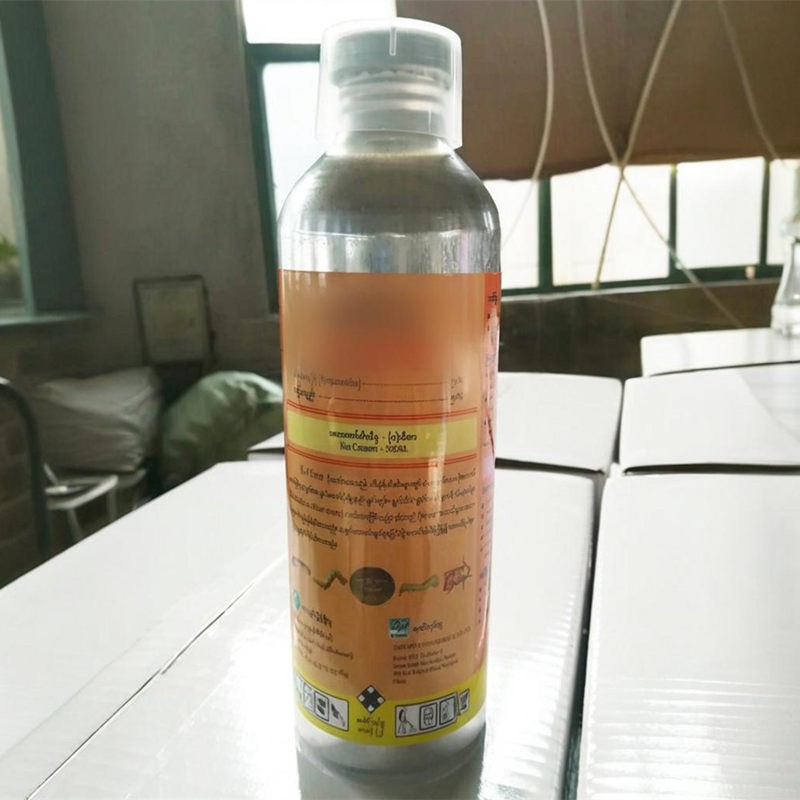
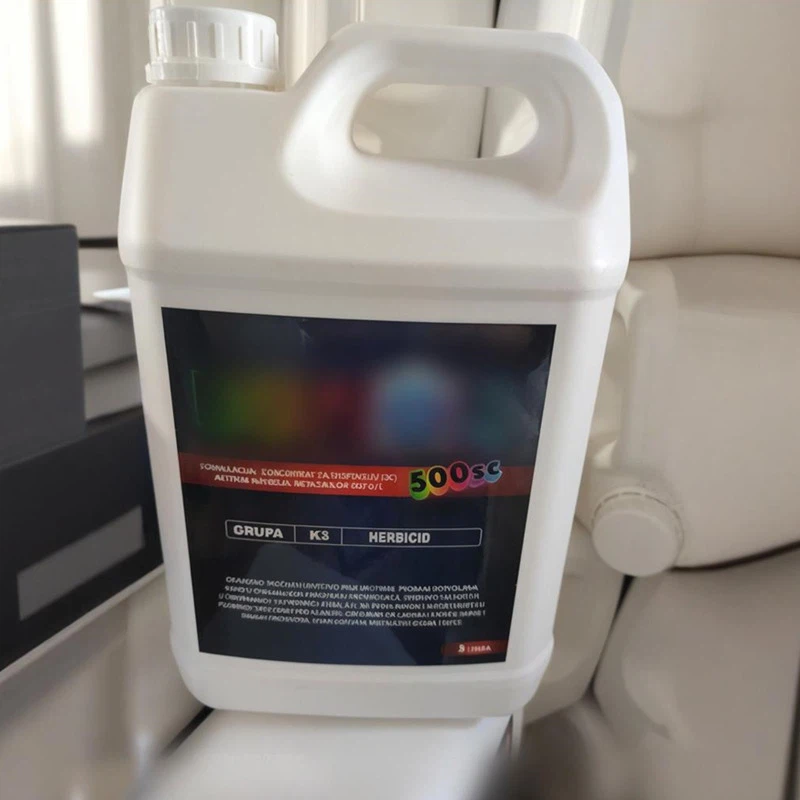
Hey there! As a thiacloprid supplier, I've gotten tons of questions from farmers, pest control experts, and garden enthusiasts about how the application time of thiacloprid affects its effectiveness. So, I thought I'd dive deep into this topic and share what I've learned over the years.
First off, let's talk a bit about thiacloprid. It's a neonicotinoid insecticide that's been a game - changer in pest management. Thiacloprid works by targeting the nervous systems of insects, causing paralysis and eventually death. It's effective against a wide range of pests, including aphids, whiteflies, and thrips. One of our popular products is Thiacloprid 240G/L OD, which offers great flexibility in application.
Now, let's get to the heart of the matter: how does the application time matter?

1. Pest Life Cycle
Different pests have different life cycles, and understanding these cycles is crucial for effective thiacloprid application. For example, aphids reproduce rapidly, and their populations can explode in a short period. If you apply thiacloprid during the early stages of an aphid infestation, when the population is still small and the insects are young and more vulnerable, you're likely to get better results. Young aphids have thinner exoskeletons, which makes it easier for thiacloprid to penetrate and reach their nervous systems.
On the other hand, if you wait until the aphid population has reached its peak, you might need a higher dose of thiacloprid to achieve the same level of control. Also, mature aphids may have developed some level of resistance to the insecticide, reducing its effectiveness.
Let's take whiteflies as another example. Whiteflies go through several life stages: eggs, nymphs, and adults. The nymph stage is the most susceptible to thiacloprid. Nymphs are relatively immobile and have a high metabolic rate, which means they absorb and process the insecticide more efficiently. Applying thiacloprid when the majority of whiteflies are in the nymph stage can lead to a significant reduction in their population.
2. Plant Growth Stage
The growth stage of the plant also plays a role in how well thiacloprid works. During the early growth stages, plants are often more tender and vulnerable to pest attacks. Applying thiacloprid at this time can protect the young plants and ensure healthy growth. For instance, in the case of vegetable seedlings, a timely application of thiacloprid can prevent aphids from stunting their growth or transmitting diseases.
As plants mature, their physiological processes change. Some plants may develop a thicker cuticle or produce natural compounds that can interact with thiacloprid. For example, in some fruit - bearing plants, as the fruits start to develop, the plant may allocate more resources to fruit production. This can affect how thiacloprid is absorbed and distributed within the plant. In general, it's best to apply thiacloprid before the fruit - setting stage to avoid any potential residues on the fruits.
3. Weather Conditions
Weather is a major factor when it comes to thiacloprid application. Temperature, humidity, and rainfall can all impact the effectiveness of the insecticide.
- Temperature: Thiacloprid works more effectively at moderate temperatures. In hot weather, insects may become more active, which can increase their exposure to the insecticide. However, extremely high temperatures can also cause thiacloprid to degrade more quickly. On the other hand, in cold weather, the metabolic rate of insects slows down, and they may be less likely to ingest or absorb the insecticide. So, it's usually best to apply thiacloprid when the temperature is between 60°F and 80°F (15°C - 27°C).
- Humidity: High humidity can help thiacloprid stay on the plant surface for longer, increasing the chances of insects coming into contact with it. However, if the humidity is too high and there's a lot of moisture on the leaves, it can also cause the insecticide to wash off or dilute. Low humidity, on the other hand, can cause the thiacloprid to dry out quickly, reducing its effectiveness.
- Rainfall: Rain can be a double - edged sword. A light rain after thiacloprid application can help the insecticide penetrate the plant tissue, but heavy rainfall can wash it away. It's important to check the weather forecast before applying thiacloprid. If rain is expected within 24 - 48 hours, it's better to wait for a dry period.
4. Time of Day
The time of day when you apply thiacloprid can also make a difference. Insects are often more active at certain times of the day. For example, many pests are more active during the early morning or late afternoon. Applying thiacloprid during these times can increase the chances of the insects coming into contact with the insecticide.
Also, applying thiacloprid in the early morning or late afternoon can avoid the heat of the day, which can cause the insecticide to evaporate or degrade more quickly. Additionally, some beneficial insects, such as bees, are less active during these times, reducing the risk of harming them.
Practical Tips for Application
Based on the above factors, here are some practical tips for applying thiacloprid effectively:
- Monitor pests regularly: Keep an eye on your plants and look for signs of pest infestations. Use sticky traps or visual inspections to determine the pest population and their life stages.
- Check the weather forecast: Plan your thiacloprid application around the weather. Avoid applying it during extreme temperatures, high humidity, or when heavy rain is expected.
- Follow the label instructions: The product label provides important information about the correct dosage, application method, and safety precautions. Make sure to read and follow the label carefully.
In conclusion, the effectiveness of thiacloprid is closely related to the application time. By considering the pest life cycle, plant growth stage, weather conditions, and time of day, you can maximize the benefits of thiacloprid and achieve better pest control.
If you're interested in purchasing thiacloprid for your pest control needs, whether it's for a large - scale farm or a small home garden, I'd love to have a chat with you. Feel free to reach out and we can discuss the best products and application strategies for your specific situation.
References
- Smith, J. (2018). "Pest Management with Neonicotinoid Insecticides." Journal of Agricultural Entomology, 35(2), 123 - 135.
- Johnson, A. (2019). "The Impact of Application Time on Insecticide Effectiveness." Pest Control Science, 42(3), 201 - 210.
- Brown, C. (2020). "Plant - Insect - Insecticide Interactions: A Review." Environmental Entomology, 48(4), 789 - 801.