


Flumioxazin is a highly effective herbicide that has been widely used in agriculture to control a broad spectrum of weeds. As a flumioxazin supplier, I have witnessed its remarkable performance in the field. However, the emergence of flumioxazin - resistant weeds has become a growing concern in recent years. In this blog, I will delve into the mechanism of flumioxazin resistance in weeds, which is crucial for both farmers and those in the herbicide supply chain like me.
The Mode of Action of Flumioxazin
Before discussing resistance, it's essential to understand how flumioxazin works. Flumioxazin belongs to the N - phenylphthalimide family of herbicides. It inhibits protoporphyrinogen oxidase (PPO), an enzyme that plays a key role in the biosynthesis of chlorophyll and heme. When a weed is exposed to flumioxazin, the inhibition of PPO leads to the accumulation of protoporphyrinogen IX (Proto IX) in the plant cells. Proto IX is a highly reactive molecule that, in the presence of light and oxygen, generates singlet oxygen. Singlet oxygen is extremely toxic to plant cells as it causes lipid peroxidation, membrane damage, and ultimately cell death. This mode of action makes flumioxazin effective against many types of weeds, including both broad - leaf and some grassy weeds.
Types of Resistance Mechanisms
Target - Site Resistance
One of the primary mechanisms of flumioxazin resistance in weeds is target - site resistance. Mutations in the gene encoding PPO can lead to changes in the structure of the enzyme. These structural changes can reduce the binding affinity of flumioxazin to PPO, allowing the enzyme to continue functioning even in the presence of the herbicide. For example, several studies have identified point mutations in the PPO gene of resistant weeds. These mutations result in amino acid substitutions in the active site or the binding pocket of the PPO enzyme. As a consequence, flumioxazin can no longer effectively inhibit the mutant PPO, and the weed can survive the herbicide treatment.
Target - site resistance is often inherited in a Mendelian fashion, which means it can be passed on from one generation of weeds to the next. This type of resistance can spread relatively quickly in a weed population if the herbicide is continuously applied without proper management strategies.
Non - Target - Site Resistance
Non - target - site resistance is another significant mechanism for flumioxazin resistance. It involves physiological and biochemical processes in the weed that reduce the amount of herbicide reaching the target site or detoxify the herbicide before it can cause damage.
Reduced Absorption and Translocation
Weeds with reduced absorption and translocation mechanisms can limit the amount of flumioxazin that reaches the PPO enzyme. Some resistant weeds may have altered leaf cuticles or cell membranes that reduce the uptake of the herbicide from the leaf surface. Additionally, the movement of flumioxazin within the plant may be restricted in resistant weeds. For example, the herbicide may be sequestered in certain plant tissues or compartments, preventing it from reaching the sites where PPO is located.
Enhanced Detoxification
Enhanced detoxification is a common non - target - site resistance mechanism. Weeds can produce enzymes that break down flumioxazin into less toxic metabolites. Cytochrome P450 monooxygenases, glutathione S - transferases (GSTs), and glucosyltransferases are some of the enzymes involved in herbicide detoxification. In resistant weeds, the activity of these enzymes is often increased compared to susceptible weeds. The increased enzymatic activity allows the weed to rapidly transform flumioxazin into non - toxic compounds, which are then either stored or excreted from the plant.
Factors Contributing to the Development of Resistance
Herbicide Use Patterns
The way flumioxazin is used in the field has a significant impact on the development of resistance. Continuous and repeated use of flumioxazin without rotation or mixing with other herbicides with different modes of action creates strong selection pressure on the weed population. Weeds that have even a slight natural tolerance to flumioxazin are more likely to survive and reproduce. Over time, the frequency of resistant individuals in the population increases, leading to the development of a resistant weed population.
Weed Biology
The biological characteristics of weeds also contribute to the development of resistance. Weeds with high seed production, short life cycles, and the ability to disperse seeds over long distances are more likely to develop and spread resistance. For example, some annual weeds can produce thousands of seeds in a single growing season. If a small number of these seeds come from resistant plants, the resistant population can quickly expand in subsequent generations.
Detection of Flumioxazin - Resistant Weeds
Detecting flumioxazin - resistant weeds early is crucial for effective management. There are several methods available for detecting resistance.
Whole - Plant Bioassays
Whole - plant bioassays involve growing weeds from seeds or vegetative propagules and treating them with different doses of flumioxazin. The response of the plants, such as survival rate, growth reduction, and visual symptoms, is then evaluated. Resistant plants will show less damage or a higher survival rate compared to susceptible plants at the same herbicide dose.
Molecular Techniques
Molecular techniques can be used to detect specific mutations in the PPO gene associated with target - site resistance. Polymerase chain reaction (PCR) - based methods can amplify the PPO gene, and subsequent sequencing can identify the presence of resistance - related mutations. These techniques are highly sensitive and can detect resistance at the genetic level, even before the appearance of visible resistance symptoms in the field.
Management Strategies for Flumioxazin - Resistant Weeds
As a flumioxazin supplier, I understand the importance of providing solutions to manage resistant weeds. Here are some strategies that can be employed:
Herbicide Rotation and Mixing
Rotating flumioxazin with herbicides that have different modes of action can reduce the selection pressure on the weed population. For example, alternating flumioxazin with herbicides that target other enzymes or physiological processes in the weed can prevent the development of resistance. Mixing flumioxazin with other herbicides can also be an effective strategy. When two or more herbicides with different modes of action are applied together, the likelihood of a weed being resistant to both herbicides is much lower.
Cultural and Mechanical Control
Cultural and mechanical control methods can complement herbicide use. Practices such as crop rotation, tillage, and hand - weeding can help reduce the weed population. Crop rotation can disrupt the life cycle of weeds and reduce the pressure on a single herbicide. Tillage can bury weed seeds and prevent their germination, while hand - weeding can remove individual resistant weeds from the field.
The Future of Flumioxazin and Resistance Management
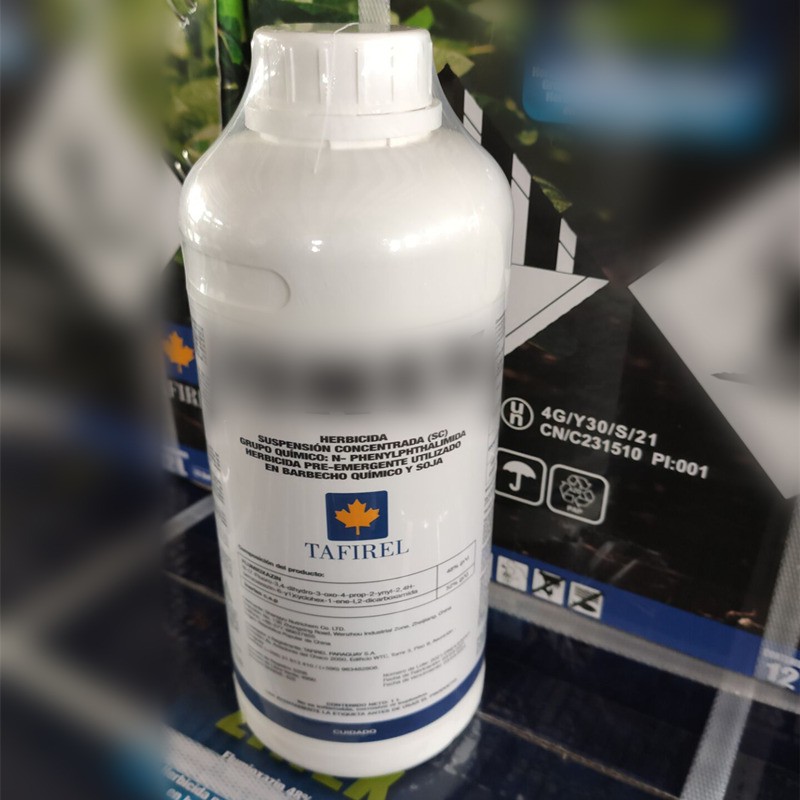
Despite the challenges posed by flumioxazin - resistant weeds, flumioxazin remains a valuable herbicide in agriculture. Ongoing research is focused on developing new formulations of flumioxazin that may be more effective against resistant weeds. For example, Flumioxazin 480G/L SC is a formulation that offers enhanced performance and may have better efficacy against some resistant weed populations.
In addition, research is also being conducted to understand the resistance mechanisms in more detail and to develop new resistance management strategies. As a supplier, I am committed to working with farmers and researchers to ensure the sustainable use of flumioxazin and to combat the problem of weed resistance.
If you are facing issues with flumioxazin - resistant weeds or are interested in purchasing high - quality flumioxazin products, I encourage you to contact me for more information and to discuss potential procurement options. Together, we can develop effective strategies to manage weeds and protect your crops.
References
- Duke, S. O., & Powles, S. B. (2008). Protoporphyrinogen oxidase - inhibiting herbicides. Pest Management Science, 64(3), 258 - 269.
- Heap, I. (2023). The International Survey of Herbicide Resistant Weeds. Available online at: http://www.weedscience.org/
- Yu, Q., & Powles, S. B. (2014). Evolution in action: plants resistant to herbicides. Annual Review of Plant Biology, 65, 317 - 347.


