What is the mechanism of resistance to profenofos in pests?
As a supplier of profenofos, I've witnessed firsthand the remarkable effectiveness of this powerful insecticide in the field. Profenofos has long been a cornerstone in pest management strategies, offering reliable control against a wide range of pests in agricultural and horticultural settings. However, like many pesticides, the development of resistance in pests has become a significant concern. In this blog post, I'll delve into the mechanisms behind pest resistance to profenofos, explore the implications for pest management, and discuss potential strategies to mitigate this issue.
Understanding Profenofos
Before we explore the resistance mechanisms, let's briefly review what profenofos is and how it works. Profenofos is an organophosphate insecticide and acaricide. It acts by inhibiting the activity of acetylcholinesterase (AChE), an enzyme crucial for the normal functioning of the nervous system in insects and mites. When pests are exposed to profenofos, the insecticide binds to AChE, preventing it from breaking down acetylcholine, a neurotransmitter. As a result, acetylcholine accumulates in the synaptic clefts, leading to overstimulation of the nervous system, paralysis, and ultimately, the death of the pest.
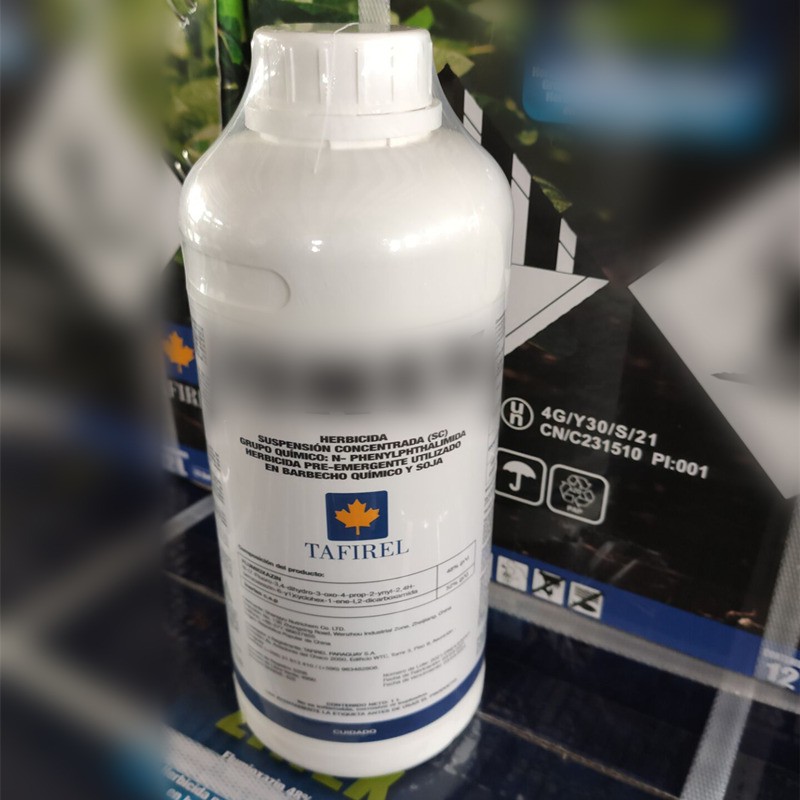
Profenofos has a broad spectrum of activity, targeting various pests such as aphids, whiteflies, thrips, mites, and lepidopteran larvae. Its effectiveness and relatively low cost have made it a popular choice among farmers and pest control professionals. You can learn more about Profenofos 500G/L EC, a common formulation of profenofos, which is widely used in the market.
Mechanisms of Resistance to Profenofos
Over time, pests have developed several mechanisms to overcome the toxic effects of profenofos. These resistance mechanisms can be broadly classified into three main categories: target - site resistance, metabolic resistance, and behavioral resistance.
Target - Site Resistance
Target - site resistance occurs when mutations in the target protein of the insecticide reduce its binding affinity. In the case of profenofos, mutations in the acetylcholinesterase gene can lead to changes in the structure of the AChE enzyme. These changes prevent profenofos from effectively binding to AChE, reducing its inhibitory effect. As a result, the normal breakdown of acetylcholine can still occur, and the pest's nervous system can function relatively normally even in the presence of the insecticide.
For example, some studies have identified specific amino acid substitutions in the AChE enzyme of resistant pests. These substitutions can alter the shape of the active site of the enzyme, making it less accessible to profenofos. This type of resistance is often inherited in a heritable manner, allowing resistant individuals to pass on the resistant trait to their offspring.
Metabolic Resistance
Metabolic resistance is another common mechanism of resistance to profenofos. Pests can develop enhanced detoxification capabilities through the overexpression or increased activity of certain enzymes. Three main groups of enzymes are involved in the metabolic detoxification of profenofos: cytochrome P450 monooxygenases, esterases, and glutathione S - transferases (GSTs).
Cytochrome P450 monooxygenases are a large family of enzymes that can catalyze the oxidation of a wide range of xenobiotics, including profenofos. In resistant pests, the genes encoding these enzymes may be overexpressed, leading to increased production of the enzymes. The P450 enzymes can modify profenofos molecules, making them more water - soluble and easier to excrete from the body.
Esterases are also important in the metabolism of profenofos. These enzymes can hydrolyze the ester bonds in profenofos, breaking it down into less toxic metabolites. Resistant pests may have higher levels of esterase activity, either due to increased gene expression or mutations that enhance the catalytic efficiency of the esterases.
Glutathione S - transferases play a role in conjugating glutathione to profenofos or its metabolites. This conjugation reaction can increase the solubility of the compound and facilitate its elimination from the pest's body. Similar to the other enzymes, overexpression of GSTs in resistant pests can lead to more efficient detoxification of profenofos.
Behavioral Resistance
Behavioral resistance is a less well - understood mechanism but can also contribute to the survival of pests in the presence of profenofos. Pests may change their behavior to avoid contact with the insecticide. For example, they may alter their feeding or resting locations, move to areas where the insecticide has not been applied, or become more active at times when the insecticide is less effective.
Some pests may also develop an aversion to the odor or taste of profenofos. This can lead to reduced ingestion of the insecticide - treated foliage or other substrates, minimizing their exposure to the toxic compound. Behavioral resistance can be particularly challenging to manage, as it is often difficult to detect and may not be associated with specific genetic changes.
Implications of Resistance to Profenofos
The development of resistance to profenofos has several significant implications for pest management. Firstly, it reduces the effectiveness of the insecticide, leading to decreased pest control. Farmers and pest control professionals may need to increase the application rate or frequency of profenofos to achieve the same level of pest control, which can increase costs and potentially have negative environmental impacts.
Secondly, resistance can disrupt integrated pest management (IPM) programs. IPM relies on the combination of multiple pest control strategies, including biological control, cultural practices, and the judicious use of pesticides. When pests become resistant to a key insecticide like profenofos, it can throw off the balance of the IPM program and make it more difficult to manage pests effectively.
Finally, the spread of resistance can have economic consequences for the agricultural industry. Reduced pest control can lead to lower crop yields and quality, resulting in financial losses for farmers. It can also affect the competitiveness of agricultural products in the market.
Strategies to Mitigate Resistance
To address the issue of resistance to profenofos, several strategies can be employed.
Rotation of Pesticides
One of the most effective strategies is to rotate profenofos with other insecticides with different modes of action. By alternating between pesticides that target different sites or use different metabolic pathways, pests are less likely to develop resistance. For example, rotating profenofos with pyrethroids, neonicotinoids, or biopesticides can reduce the selection pressure for resistance to profenofos.
Integrated Pest Management
Implementing a comprehensive IPM program is crucial for long - term pest management. This includes using biological control agents such as predators, parasites, and pathogens to reduce pest populations. Cultural practices such as crop rotation, sanitation, and the use of resistant crop varieties can also help to reduce pest pressure and minimize the reliance on pesticides.
Monitoring and Early Detection
Regular monitoring of pest populations and resistance levels is essential. By detecting resistance early, appropriate management strategies can be implemented before the problem becomes widespread. This can involve using bioassays or molecular techniques to test for the presence of resistant pests in the field.
Conclusion
As a profenofos supplier, I understand the importance of addressing the issue of pest resistance. While profenofos has been a valuable tool in pest management, the development of resistance is a reality that we must face. By understanding the mechanisms of resistance, we can develop more effective strategies to mitigate this problem and ensure the continued effectiveness of profenofos in the future.
If you're interested in learning more about profenofos or discussing your pest control needs, I encourage you to reach out. We're here to provide you with the best products and advice to help you manage pests effectively and sustainably.
References
- Sawicki, R. M. (1987). Insecticide resistance in crop pests. Academic Press.
- Hemingway, J., & Ranson, H. (2000). Insecticide resistance in insects due to altered acetylcholinesterase. Annual Review of Entomology, 45(1), 341 - 363.
- Scott, J. G. (1999). Cytochrome P450 and insecticide resistance. Archives of Insect Biochemistry and Physiology, 42(2), 65 - 76.
- Devonshire, A. L., & Moores, G. D. (1982). The biochemical basis of insecticide resistance in aphids. Pesticide Science, 13(3), 361 - 367.