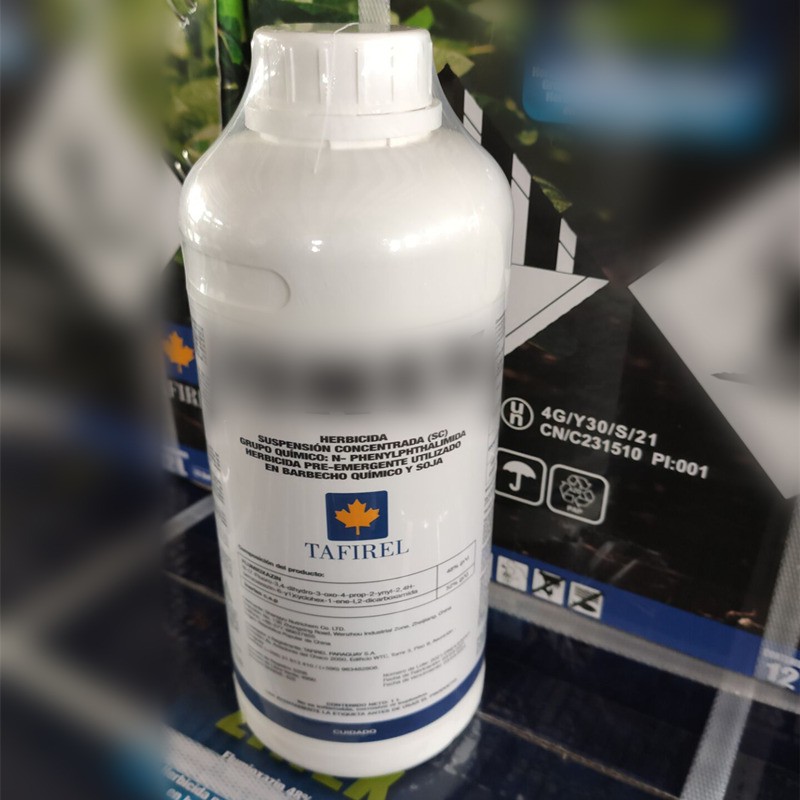
Metazachlor is a widely - used herbicide in the agricultural industry, known for its effectiveness in controlling a variety of weeds. As a metazachlor supplier, I am well - versed in both its benefits and potential risks. In this blog, I will delve into the symptoms of metazachlor poisoning, aiming to provide you with comprehensive and scientific information.
Understanding Metazachlor
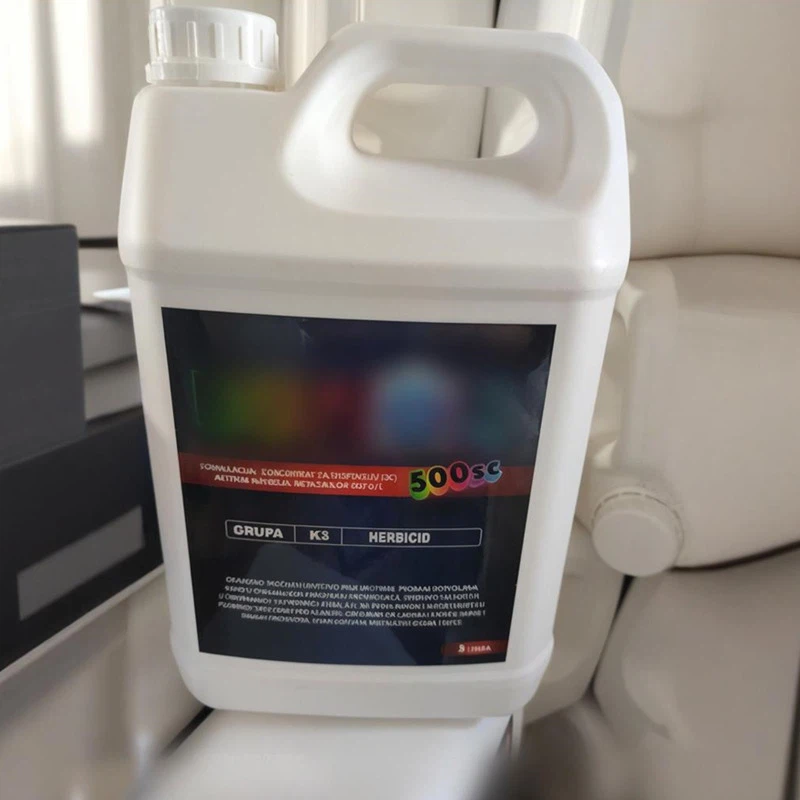
Metazachlor belongs to the class of chloroacetanilide herbicides. It works by inhibiting the growth of weeds through interfering with their normal metabolic processes. Our Metazachlor 500 G/L SC product is a popular choice among farmers due to its high efficacy and ease of use. It can be applied pre - emergence to control annual grasses and broad - leaved weeds in crops such as oilseed rape, potatoes, and sugar beets.
Routes of Exposure
There are several ways in which a person can be exposed to metazachlor, leading to potential poisoning. The most common routes are:
- Inhalation: When metazachlor is sprayed in the field, the fine droplets can become airborne. Workers who are applying the herbicide without proper respiratory protection may inhale the chemical, which can then enter the bloodstream through the lungs.
- Skin Contact: Direct contact with metazachlor can occur during handling, mixing, or spraying. If the skin is not adequately protected, the chemical can penetrate the skin and be absorbed into the body.
- Ingestion: Although less common, ingestion of metazachlor can happen accidentally, for example, if food or drinks are contaminated with the herbicide.
Symptoms of Metazachlor Poisoning
Acute Poisoning
- Gastrointestinal Symptoms: One of the earliest signs of metazachlor poisoning may be related to the gastrointestinal system. Nausea, vomiting, and abdominal pain are common symptoms. These occur because the chemical irritates the lining of the stomach and intestines. In severe cases, diarrhea may also be present, which can lead to dehydration if not properly managed.
- Respiratory Symptoms: Inhalation of metazachlor can cause irritation to the respiratory tract. Symptoms include coughing, shortness of breath, and wheezing. In some cases, it may lead to more severe respiratory distress, such as pulmonary edema, where fluid accumulates in the lungs. This is a life - threatening condition that requires immediate medical attention.
- Dermal Symptoms: Skin contact with metazachlor can result in irritation, redness, and itching. In more severe cases, it may cause blistering and chemical burns. The affected area may be painful and may require proper wound care to prevent infection.
- Neurological Symptoms: Metazachlor can also affect the nervous system. Mild cases may present with headache, dizziness, and fatigue. In more severe poisonings, it can lead to confusion, tremors, and even seizures. These neurological symptoms are a result of the chemical's interference with the normal functioning of nerve cells.
Chronic Poisoning
- Liver and Kidney Damage: Prolonged exposure to metazachlor may cause damage to the liver and kidneys. The liver is responsible for detoxifying the body, and the kidneys are involved in filtering waste products from the blood. Metazachlor can disrupt the normal functions of these organs, leading to elevated liver enzymes and impaired kidney function. Symptoms may include jaundice (yellowing of the skin and eyes) in the case of liver damage, and changes in urine output and composition in the case of kidney damage.
- Hematological Effects: Chronic exposure to metazachlor may also affect the blood - forming organs. It can lead to a decrease in the number of red blood cells, white blood cells, and platelets. A decrease in red blood cells can cause anemia, resulting in fatigue, weakness, and shortness of breath. A low white blood cell count can make the body more susceptible to infections, while a decrease in platelets can lead to problems with blood clotting, increasing the risk of bleeding.
Diagnosis and Treatment
If metazachlor poisoning is suspected, it is crucial to seek medical attention immediately. The diagnosis is usually based on the patient's history of exposure, the symptoms presented, and laboratory tests. These tests may include blood and urine tests to detect the presence of metazachlor and to assess the function of vital organs.
Treatment of metazachlor poisoning depends on the route and severity of exposure. In cases of ingestion, the stomach may be emptied through gastric lavage or the administration of activated charcoal to absorb the chemical. For skin and eye contact, the affected area should be thoroughly washed with plenty of water. In cases of respiratory distress, oxygen therapy may be required, and in severe cases, mechanical ventilation may be necessary.
Prevention
As a metazachlor supplier, I strongly emphasize the importance of prevention. Here are some preventive measures:
- Use of Personal Protective Equipment (PPE): Workers should wear appropriate PPE, including gloves, goggles, respirators, and protective clothing when handling metazachlor. This can significantly reduce the risk of exposure.
- Proper Handling and Storage: Metazachlor should be stored in a cool, dry, and well - ventilated area, away from food, drinks, and children. When handling the herbicide, follow the manufacturer's instructions carefully, including proper mixing and spraying techniques.
- Training: Workers should receive proper training on the safe use of metazachlor. They should be educated about the potential risks, symptoms of poisoning, and first - aid measures.
Conclusion
Metazachlor is a valuable herbicide that can significantly improve crop yields by controlling weeds. However, it is essential to be aware of the potential risks of poisoning. By understanding the symptoms of metazachlor poisoning, taking preventive measures, and seeking prompt medical attention in case of exposure, we can ensure the safe use of this herbicide.
If you are interested in our Metazachlor 500 G/L SC product or have any questions about its use, please feel free to contact us for further discussion and potential procurement. We are committed to providing high - quality products and professional advice to meet your agricultural needs.
References
- "Pesticide Toxicology Handbook" by W. J. Hayes Jr. and E. R. Laws Jr.
- Scientific studies on chloroacetanilide herbicides published in peer - reviewed journals such as "Environmental Toxicology and Chemistry".
- Product safety data sheets provided by metazachlor manufacturers.