Hey there! As a thiacloprid supplier, I've been dealing with this awesome insecticide for quite some time. Thiacloprid is a well - known neonicotinoid insecticide that's super effective against a wide range of pests. But lately, there's been a growing concern about pest resistance to thiacloprid. So, let's dig into what the mechanism of thiacloprid resistance in pests is.
First off, what exactly is thiacloprid? It's a synthetic chemical that targets the nervous system of insects. When pests come into contact with thiacloprid, it binds to the nicotinic acetylcholine receptors (nAChRs) in their nervous systems. These receptors are crucial for normal nerve function. Once thiacloprid binds to them, it disrupts the normal transmission of nerve impulses. This leads to over - stimulation of the nervous system, causing paralysis and eventually the death of the pest. That's the basic mode of action of thiacloprid.
Now, let's talk about resistance. Resistance happens when pests that were once easily controlled by thiacloprid start to survive exposure to it. There are a few different ways this can occur, and it's usually a combination of genetic and physiological factors.
One of the main mechanisms is target - site resistance. Remember those nAChRs that thiacloprid binds to? Well, pests can develop mutations in the genes that code for these receptors. These mutations change the structure of the nAChRs just enough so that thiacloprid can't bind to them as effectively. It's like changing the lock so that the key (thiacloprid) doesn't fit anymore. For example, some studies have shown that in certain aphid populations, mutations in the nAChR subunits have led to decreased sensitivity to thiacloprid. This means that even when the pests are exposed to normal doses of thiacloprid, it can't disrupt their nerve function as it should, and they survive.
Another important mechanism is metabolic resistance. Pests have various enzymes in their bodies that help them break down and get rid of foreign substances, like pesticides. Over time, pests can increase the production of these enzymes or change their activity to be more efficient at breaking down thiacloprid. For instance, cytochrome P450 enzymes are a group of enzymes that play a big role in the metabolism of pesticides. Some resistant pests have higher levels of these enzymes, which can quickly break down thiacloprid into less toxic compounds before it can have a significant effect on the pest's nervous system.

Behavioral resistance is also a factor. Pests can change their behavior to avoid contact with thiacloprid. They might become more sensitive to the presence of the insecticide and move away from treated areas. For example, some insects can detect the odor or taste of thiacloprid and avoid feeding on plants that have been treated with it. This way, they can stay alive even in an environment where thiacloprid is present.
So, how does this resistance develop? It usually starts with a small number of pests in a population that have a natural genetic variation that makes them a little more resistant to thiacloprid. When we use thiacloprid repeatedly, it acts as a strong selective pressure. The more sensitive pests are killed off, but the resistant ones survive and reproduce. Over generations, the proportion of resistant pests in the population increases. This is why it's so important to use pesticides like thiacloprid in a responsible way.
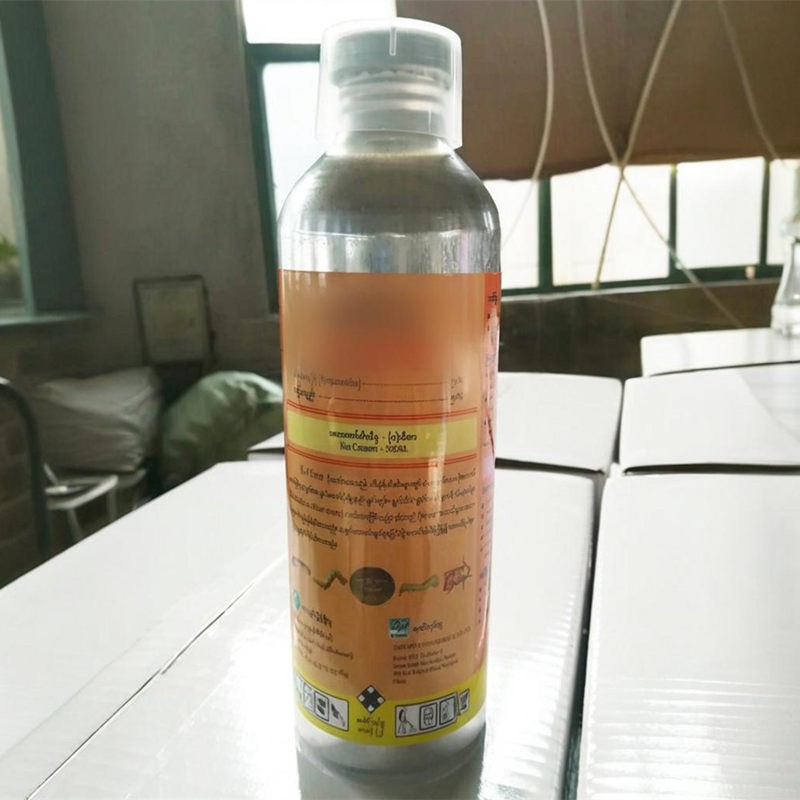
As a thiacloprid supplier, I understand the importance of dealing with resistance. That's why we offer Thiacloprid 240G/L OD. This formulation is designed to be as effective as possible, but we also encourage integrated pest management (IPM) strategies. IPM involves using a combination of different pest control methods, such as biological control (using natural enemies of pests), cultural control (like crop rotation), and chemical control. By using thiacloprid in combination with other methods, we can reduce the selection pressure for resistance and make our pest control efforts more sustainable.
When it comes to using thiacloprid, it's also important to follow the label instructions carefully. Using the right dose at the right time can make a big difference. Over - using thiacloprid not only increases the risk of resistance but also has potential negative impacts on the environment and non - target organisms.
In conclusion, understanding the mechanism of thiacloprid resistance in pests is crucial for effective pest management. We need to be aware of how pests can become resistant and take steps to prevent it. If you're in the business of pest control or agriculture and are interested in our thiacloprid products, I encourage you to reach out for a procurement discussion. We're here to help you find the best solutions for your pest control needs.
References
- Nauen, R., & Denholm, I. (2005). Insecticide resistance research: new directions and challenges. Pesticide Biochemistry and Physiology, 83(3), 195 - 205.
- Bass, C., Puinean, A. M., Zimmer, C. T., Denholm, I., Williamson, M. S., & Field, L. M. (2011). Resistance to neonicotinoid insecticides in insects: current status and future prospects. Pesticide Biochemistry and Physiology, 100(2), 101 - 112.
- Feyereisen, R. (1999). Insect P450 enzymes. Annual Review of Entomology, 44(1), 507 - 533.