Hey there! As a supplier of bifenthrin, I often get asked about how this amazing chemical works on pests. So, I thought I'd take a deep dive into the mode of action of bifenthrin and share all the juicy details with you.
What is Bifenthrin?
First things first, let's talk a bit about bifenthrin itself. Bifenthrin is a synthetic pyrethroid insecticide. Pyrethroids are a class of chemicals that are derived from natural pyrethrins, which come from chrysanthemum flowers. But bifenthrin is a man - made version, and it's been engineered to be more stable and effective than its natural counterparts.
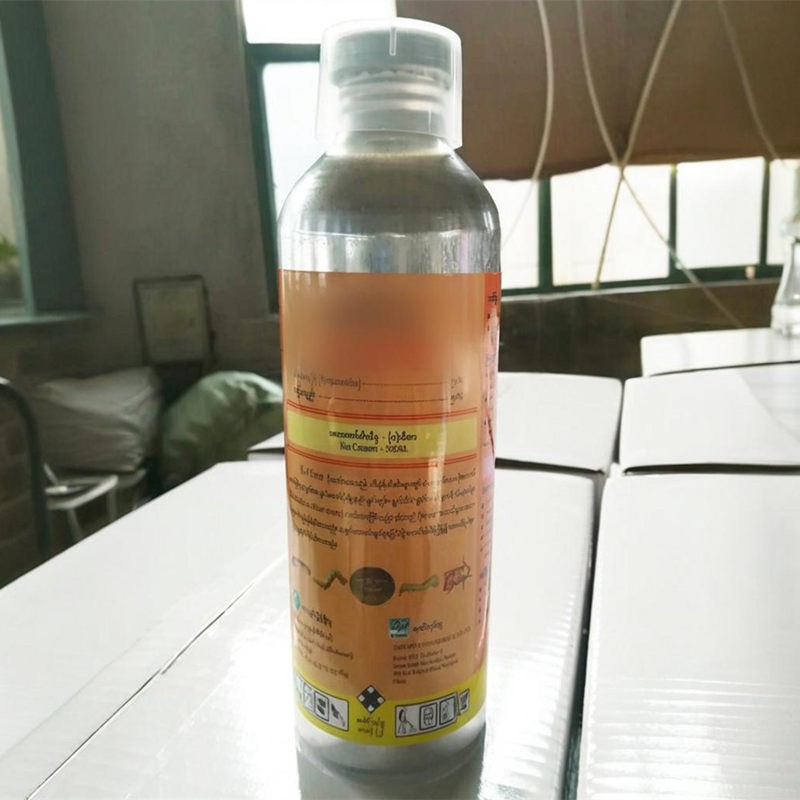
Bifenthrin is used in a wide range of applications. You can find it in products designed for agricultural use, to protect crops from all sorts of pesky insects. It's also used in residential and commercial settings for pest control, like getting rid of ants, termites, spiders, and mosquitoes. One of our popular products is Bifenthrin 200G/L EC, which is a highly effective formulation for all your pest - control needs.

How Does Bifenthrin Work on Pests?
Contact and Stomach Poison
Bifenthrin acts as both a contact and a stomach poison. When an insect comes into direct contact with bifenthrin, the chemical is absorbed through its exoskeleton. This is a big deal because the exoskeleton is like the insect's armor. Once bifenthrin gets through, it starts to mess with the insect's nervous system.
If an insect eats something that has been treated with bifenthrin, it also ingests the chemical. Once inside the insect's body, it begins to work its magic on the nervous system as well.
Affecting the Nervous System
The main target of bifenthrin is the insect's nervous system. Insects have a very different nervous system compared to us humans. Their nervous system is made up of nerve cells called neurons, and these neurons communicate with each other using electrical signals.
Bifenthrin works by interfering with the sodium channels in the insect's neurons. Sodium channels are like little gates in the cell membrane of the neuron. They open and close to allow sodium ions to flow in and out of the cell, which is how the electrical signal is generated and transmitted.
When bifenthrin binds to these sodium channels, it keeps them open for longer than normal. This causes a continuous flow of sodium ions into the neuron. As a result, the neuron becomes over - excited. It can't stop sending electrical signals, and the insect's nervous system goes haywire.
Symptoms in Pests
Once the insect's nervous system is affected, you'll start to see some pretty obvious symptoms. The insect will become hyperactive at first. It might start twitching, jerking, or moving around erratically. This is because the over - excited neurons are sending all sorts of crazy signals to the insect's muscles.
As the situation worsens, the insect will become paralyzed. Since the nervous system can't function properly, it can no longer control the muscles. Eventually, the insect will die. The whole process from exposure to death can take anywhere from a few minutes to a few hours, depending on the type of insect, the amount of bifenthrin it was exposed to, and other factors.
Residual Activity
One of the great things about bifenthrin is its residual activity. When you apply a bifenthrin - based product, it leaves a residue on the surface where it's applied. This residue can last for weeks or even months, depending on the environmental conditions.
During this time, any insect that comes into contact with the residue will be affected. So, even if you don't see the pests right away, the bifenthrin is still working to protect your crops, your home, or your business. This is especially useful for long - term pest control.
Why Bifenthrin is a Great Choice for Pest Control
Broad - Spectrum Activity
Bifenthrin has a broad - spectrum activity, which means it can kill a wide variety of pests. Whether you're dealing with crawling insects like ants and cockroaches or flying insects like mosquitoes and flies, bifenthrin can do the job. This makes it a very versatile product for both agricultural and non - agricultural applications.
Low Toxicity to Mammals
Compared to some other insecticides, bifenthrin has relatively low toxicity to mammals, including humans. This is because our nervous systems are different from those of insects. The sodium channels in our neurons don't react to bifenthrin in the same way as insect neurons. Of course, it's still important to follow the safety instructions when using bifenthrin products, but it gives you some peace of mind knowing that it's not as dangerous to us as it is to pests.
Cost - Effective
Bifenthrin is also a cost - effective option for pest control. Because of its long - lasting residual activity, you don't have to apply it as often as some other insecticides. This means you can save money in the long run, both on the cost of the product and on the labor required for application.
Using Bifenthrin Safely
While bifenthrin is relatively safe for mammals, it's still important to use it correctly. Always read and follow the label instructions carefully. Wear appropriate protective clothing, like gloves and a mask, when applying bifenthrin products. Keep children and pets away from the treated area until the product has dried.
If you have any questions about how to use bifenthrin safely and effectively, don't hesitate to reach out to us. We're here to help you get the most out of our products while keeping everyone safe.
Conclusion
In conclusion, bifenthrin is an amazing insecticide with a unique mode of action. By targeting the insect's nervous system and interfering with its sodium channels, it can quickly and effectively kill a wide range of pests. Its contact and stomach - poison properties, along with its long - lasting residual activity, make it a top choice for pest control in both agricultural and non - agricultural settings.
If you're in the market for a reliable pest - control solution, I highly recommend checking out our Bifenthrin 200G/L EC product. And if you have any questions or are interested in purchasing bifenthrin for your pest - control needs, please don't hesitate to contact us for a purchase negotiation. We're always happy to help you find the best solution for your specific situation.
References
- Casida, J. E., & Quistad, G. B. (1998). Pyrethroid insecticides. Annual Review of Entomology, 43(1), 193 - 218.
- Ware, G. W., & Whitacre, D. M. (2004). The pesticide book. Thomson Publications.