When it comes to pest control, bifenthrin has emerged as a popular and effective solution. As a supplier of bifenthrin products, I often receive inquiries about the recommended dosage of bifenthrin for various pest control scenarios. In this blog post, I'll delve into the details of bifenthrin dosage, taking into account different pests, application methods, and environmental factors.
Understanding Bifenthrin
Bifenthrin is a synthetic pyrethroid insecticide that works by disrupting the nervous system of insects. It has a broad - spectrum activity, which means it can control a wide range of pests, including ants, termites, mosquitoes, cockroaches, and beetles. Its low vapor pressure and high stability make it suitable for both indoor and outdoor applications.
Factors Affecting the Recommended Dosage
Type of Pest
Different pests have varying levels of susceptibility to bifenthrin. For example, soft - bodied insects like aphids may be more easily controlled with a lower dosage compared to hard - bodied beetles or termites. Termites, in particular, require a more concentrated application because they live in large colonies and are often hidden within structures.
Application Method
The way you apply bifenthrin also influences the dosage. For instance, if you're using a spray application, the dosage might be different from a granular application. Sprays are typically used for spot treatments or covering large areas, while granules are often used for soil treatments or in areas where long - term residual control is needed.
Environmental Conditions
Environmental factors such as temperature, humidity, and soil type can affect the efficacy of bifenthrin. In warmer temperatures, the insecticide may break down more quickly, requiring a higher dosage or more frequent applications. Similarly, in areas with high humidity, the residual activity of bifenthrin may be reduced.
Recommended Dosages for Common Pests
Ants
For ant control, a common dosage for a spray application of bifenthrin is around 0.06% - 0.12% active ingredient. This can be achieved by diluting the appropriate amount of bifenthrin concentrate in water according to the product label instructions. When applying around the perimeter of a building, a spray volume of about 1 gallon per 1000 square feet is often recommended. For ant mounds, a more concentrated solution can be used to directly treat the mound.
Mosquitoes
To control mosquitoes, a dosage of 0.03% - 0.06% active ingredient in a spray is typically effective. Mosquitoes are often found in outdoor areas such as yards and gardens. Spraying vegetation, shrubs, and other hiding places can help reduce the mosquito population. It's important to note that bifenthrin is toxic to fish and other aquatic organisms, so care should be taken to avoid spraying near water sources.
Cockroaches
For cockroach control, a spray application with a bifenthrin concentration of 0.06% - 0.12% is commonly used. Focus on areas where cockroaches are likely to hide, such as under sinks, behind appliances, and in cracks and crevices. A spot treatment approach can be very effective, targeting the specific areas where cockroaches are seen or suspected.
Termites
When it comes to termite control, a higher dosage is usually required. For soil treatments around the foundation of a building, a solution with a bifenthrin concentration of 0.06% - 0.12% is often applied at a rate of 4 - 8 gallons per 10 linear feet of foundation. This creates a chemical barrier that termites cannot cross. It's crucial to follow the product label instructions carefully when treating for termites, as improper application can lead to ineffective control.

Product Recommendations
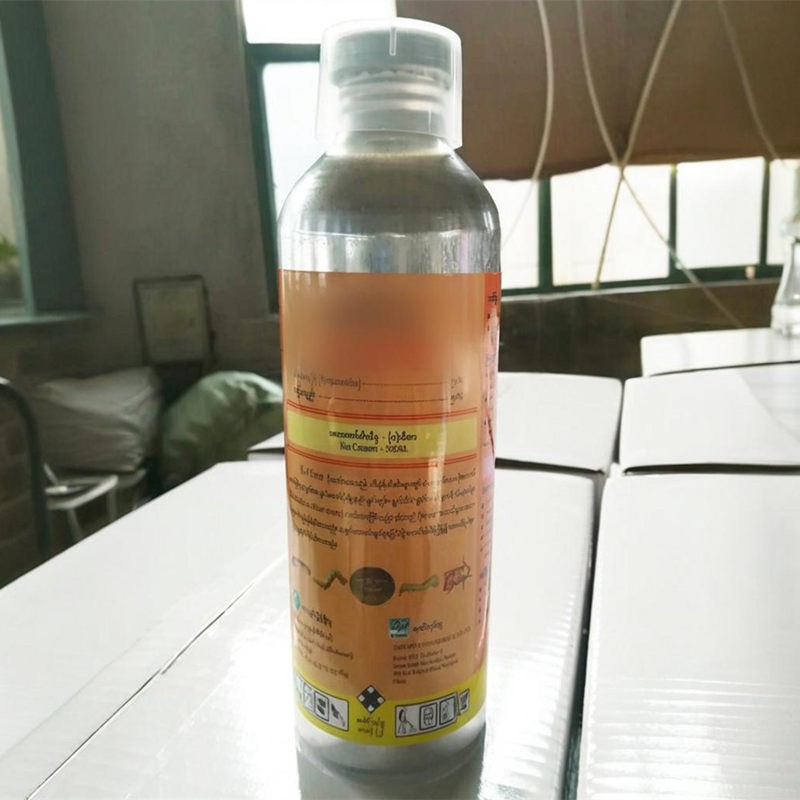
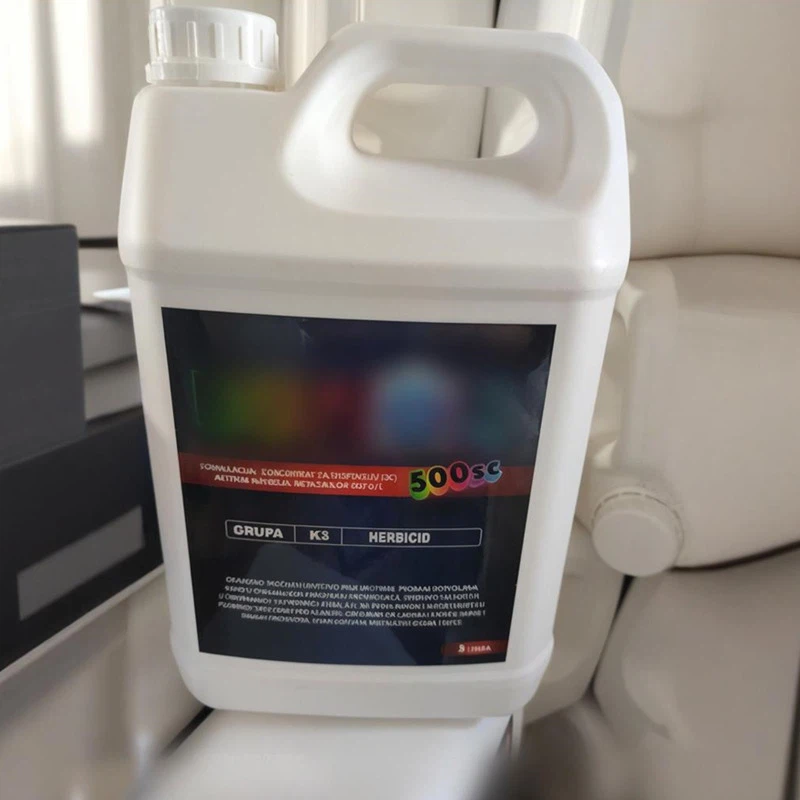
One of our popular bifenthrin products is Bifenthrin 200G/L EC. This emulsifiable concentrate formulation is easy to mix and can be used for a variety of pest control applications. It provides long - lasting residual control, which means you don't have to apply it as frequently.
Safety Precautions
While bifenthrin is an effective pest control agent, it's important to handle it with care. Always wear protective clothing, including gloves, goggles, and a respirator, when mixing and applying bifenthrin. Keep children and pets away from treated areas until the product has dried. If you accidentally come into contact with bifenthrin, wash the affected area immediately with plenty of water and seek medical attention if necessary.
How to Determine the Right Dosage
The best way to determine the right dosage of bifenthrin for your specific pest control needs is to read the product label carefully. The label provides detailed instructions on how to mix and apply the product, as well as the recommended dosages for different pests. If you're still unsure, you can consult with a professional pest control operator or contact our customer support team for guidance.
Conclusion
In conclusion, the recommended dosage of bifenthrin for pest control depends on several factors, including the type of pest, application method, and environmental conditions. By understanding these factors and following the product label instructions, you can effectively use bifenthrin to control pests in your home or business.
If you're interested in purchasing bifenthrin products for your pest control needs, we're here to assist you. Our team of experts can help you choose the right product and determine the appropriate dosage for your situation. Contact us today to start a discussion about your pest control requirements and explore our range of high - quality bifenthrin products.
References
- "Insecticide Manual", 17th Edition, British Crop Protection Council.
- Product labels of various bifenthrin products.
- Research papers on the efficacy and safety of bifenthrin in pest control.