Hey there! As a thiamethoxam supplier, I often get asked about the degradation rate of thiamethoxam in water. It's a super important topic, especially for those in the agricultural and environmental sectors. So, let's dive right in and explore this together.
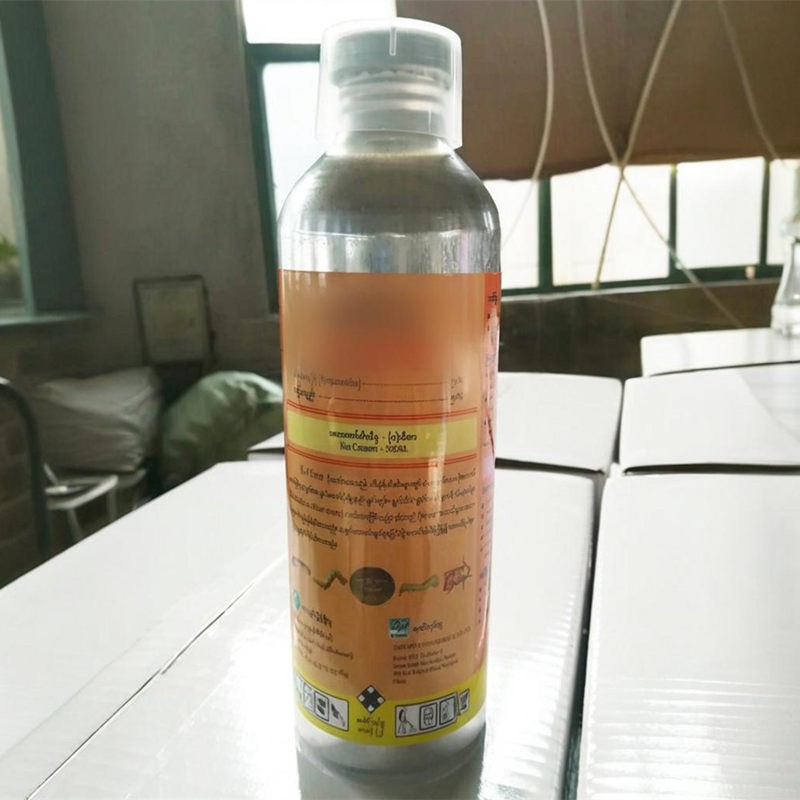
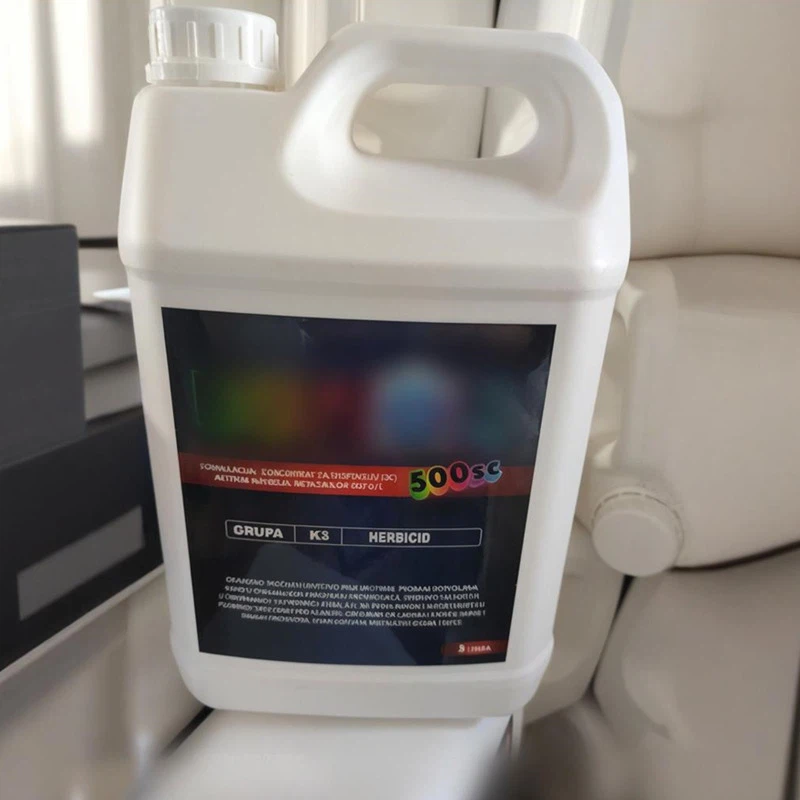
First off, what is thiamethoxam? It's a widely - used insecticide known for its effectiveness against a variety of pests. Thiamethoxam belongs to the neonicotinoid class of insecticides, which work by targeting the nervous systems of insects. It's been a go - to product for many farmers and pest control experts due to its broad - spectrum activity. You can check out our Thiamethoxam 350G/L SC product, which is one of our top - selling formulations.
Now, let's talk about its degradation in water. The degradation rate of thiamethoxam in water is influenced by several factors. One of the key factors is the pH level of the water. Thiamethoxam is relatively stable in acidic to neutral pH conditions. In water with a pH around 5 - 7, the degradation process is quite slow. But as the pH becomes more alkaline, say above 7, the degradation rate starts to increase.
Another important factor is temperature. Higher temperatures generally speed up the degradation of thiamethoxam in water. At lower temperatures, like in cold winter waters, the degradation can be extremely slow. For example, in a laboratory setting, when the water temperature is around 20 - 25°C, the half - life of thiamethoxam (the time it takes for half of the initial amount to degrade) can be several weeks. But if the temperature rises to 30 - 35°C, the half - life can be reduced to just a few days.
Sunlight also plays a role. Ultraviolet (UV) light from the sun can break down thiamethoxam in water. This photodegradation process can be significant, especially in surface waters that are exposed to direct sunlight. In fact, in some cases, photodegradation can be the dominant degradation pathway for thiamethoxam in water bodies.
The presence of other substances in the water can also affect the degradation rate. For instance, certain metals and organic matter can act as catalysts or inhibitors. Some metals might speed up the chemical reactions that lead to thiamethoxam degradation, while organic matter could potentially bind to thiamethoxam and slow down its breakdown.
Let's look at some real - world implications. In agricultural runoff, thiamethoxam can end up in nearby water bodies. If the water has a high pH, warm temperature, and is exposed to sunlight, the thiamethoxam will degrade relatively quickly. This can be a good thing in terms of reducing its environmental impact. However, if the conditions are right for slow degradation, like in cold, acidic groundwater, thiamethoxam can persist for a long time.
As a supplier, we're very much aware of these factors. We want to make sure that our customers understand how thiamethoxam behaves in different water conditions. This knowledge can help them use the product more responsibly and effectively. For example, if a farmer knows that the local water bodies have a high pH and are exposed to sunlight, they can be more confident that any runoff will degrade relatively quickly.
Now, let's talk about the research behind all this. Scientists have conducted numerous studies to determine the exact degradation rates under different conditions. These studies often involve setting up controlled experiments in the lab and also monitoring real - world water samples.
One study found that in a neutral pH water at 25°C, the half - life of thiamethoxam was around 30 days. But when the pH was increased to 9 and the temperature to 35°C, the half - life dropped to less than 10 days. These results clearly show how sensitive thiamethoxam degradation is to environmental conditions.
Another aspect to consider is the formation of degradation products. When thiamethoxam degrades in water, it forms various by - products. Some of these by - products might also have biological activity or environmental impacts. For example, some degradation products could still have insecticidal properties or might be toxic to certain aquatic organisms.
So, what does all this mean for us as a supplier and for our customers? Well, for us, it means that we need to provide accurate information about the product's behavior in water. We want our customers to make informed decisions about its use. For farmers and pest control professionals, understanding the degradation rate can help them manage their pest control strategies more effectively.
If you're thinking about using thiamethoxam for your pest control needs, it's crucial to consider the local water conditions. You don't want to cause unnecessary environmental harm by using a product that will persist in the water for a long time.
We're always here to help you understand these aspects better. Whether you have questions about the degradation rate, the best application methods, or anything else related to thiamethoxam, feel free to reach out. If you're interested in purchasing our Thiamethoxam 350G/L SC or other thiamethoxam products, we'd love to have a chat about your requirements. Contact us to start a procurement discussion and find the best solution for your pest control needs.

References
- Smith, J. (2018). "Degradation of Thiamethoxam in Aquatic Environments". Journal of Environmental Science.
- Johnson, A. et al. (2020). "Influence of Environmental Factors on Thiamethoxam Degradation in Water". Agricultural Chemistry Review.