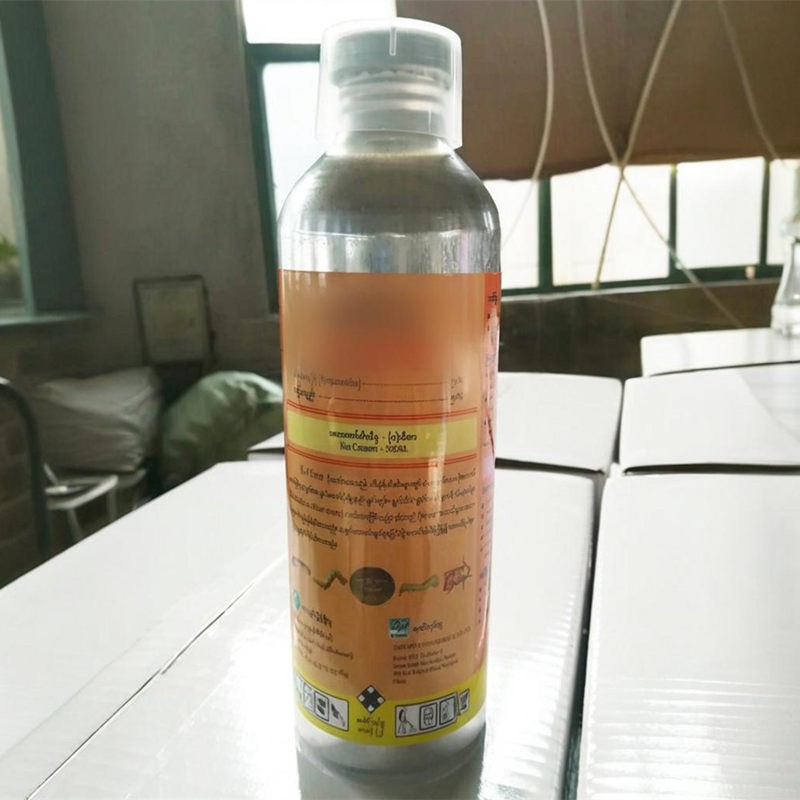
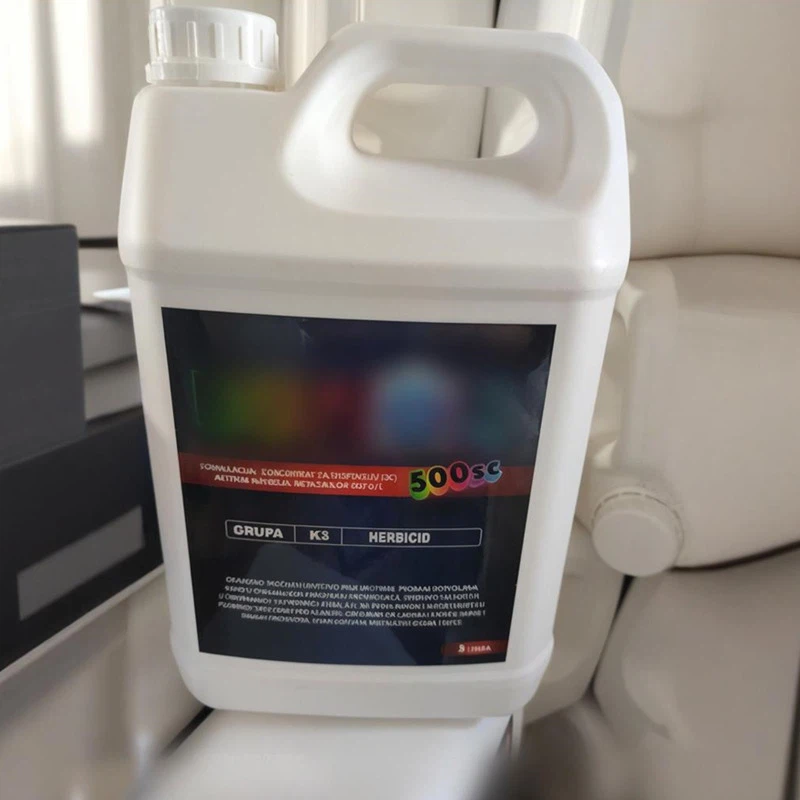
Hey there, fellow farmers and weed warriors! I'm here as a supplier of fluroxypyr, and today we're going to dig into the role of this powerful herbicide in integrated weed management.
Let's start by getting to know fluroxypyr a bit better. Fluroxypyr is a selective systemic herbicide that belongs to the pyridine carboxylic acid family. It's been a game - changer in the fight against weeds, especially broad - leaf ones. What makes it so special? Well, it works by mimicking the plant hormone auxin. When applied to the target weeds, it messes up their normal growth processes. The weeds start growing in a crazy, uncontrolled way, and eventually, they just can't keep up and die off.
Now, when we talk about integrated weed management (IWM), we're not just relying on one single method to get rid of weeds. IWM is all about combining different strategies like cultural, mechanical, biological, and chemical control methods to manage weeds effectively and sustainably. And fluroxypyr has a crucial role to play in this multi - faceted approach.
One of the main advantages of using fluroxypyr in IWM is its selectivity. It can target specific broad - leaf weeds without causing much harm to most grass crops. This is super important because in many agricultural settings, you want to get rid of the unwanted broad - leaf plants while keeping your valuable grass crops like wheat, barley, and oats intact. For example, in a wheat field, there might be all sorts of broad - leaf weeds like chickweed, dandelions, and thistles. Fluroxypyr can be applied to take out these weeds, allowing the wheat to grow and thrive without competition for nutrients, water, and sunlight.
Another great thing about fluroxypyr is its systemic action. Once it's absorbed by the leaves of the weeds, it moves throughout the plant, including to the roots. This means it can kill the entire weed, not just the parts you can see above the ground. In an IWM system, this is a huge plus. If you only use mechanical methods like mowing or tilling, you might just cut off the top part of the weed, and it can regrow from the roots. But with fluroxypyr's systemic action, you're hitting the weed where it really counts, reducing the chances of regrowth and long - term weed problems.
Let's talk about timing. In IWM, timing is everything. Fluroxypyr is most effective when applied at the right stage of the weed's growth. Usually, it's best to apply it when the weeds are young and actively growing. At this stage, the weeds are more susceptible to the herbicide, and it can work more quickly and efficiently. For annual broad - leaf weeds, this might be in the early to mid - growth stage. For perennial weeds, it's often better to apply fluroxypyr in the spring or fall when the plants are actively translocating nutrients to and from the roots.
Now, I want to mention one of our great products, Fluroxypyr 140G/L + Aminopyralid 10G/L EC. This combination product takes the power of fluroxypyr to the next level. Aminopyralid is another herbicide that has a different mode of action but works well in tandem with fluroxypyr. Together, they can provide broader - spectrum control of a wider range of broad - leaf weeds, including some that are particularly tough to manage. This product is a great addition to any IWM program, as it can help you tackle multiple weed species with a single application.
But fluroxypyr isn't just for large - scale agricultural fields. It can also be used in other settings like pastures, lawns, and even in non - crop areas. In pastures, it can help control weeds that are unpalatable or toxic to livestock. By getting rid of these weeds, you can improve the quality of the forage available for your animals, leading to better - fed and healthier livestock. In lawns, it can keep those pesky broad - leaf weeds from ruining the look of your well - manicured grass. And in non - crop areas like industrial sites or along roadsides, it can help manage weed growth to prevent safety hazards and maintain a tidy appearance.
Of course, in an IWM system, fluroxypyr should be used in combination with other methods. For example, you can start with cultural methods like proper crop rotation. Rotating different crops in a field can disrupt the life cycles of weeds, reducing their populations over time. Mechanical methods like hand - weeding or using cultivators can also be used to remove larger weeds or to break up weed patches before applying fluroxypyr. And biological control methods, such as introducing natural enemies of the weeds, can work in the long - term to keep weed populations in check.
When using fluroxypyr, it's important to follow the label instructions carefully. This includes things like the correct application rate, the right time of day to apply it (usually when there's low wind to prevent drift), and any safety precautions. You also need to be aware of any potential environmental impacts. Although fluroxypyr is generally considered to have a relatively low environmental impact compared to some other herbicides, it's still important to use it responsibly.

In conclusion, fluroxypyr is a valuable tool in integrated weed management. Its selectivity, systemic action, and effectiveness against a wide range of broad - leaf weeds make it an essential part of any comprehensive weed control program. Whether you're a large - scale farmer, a small - time gardener, or someone responsible for managing non - crop areas, fluroxypyr can help you keep those weeds at bay.
If you're interested in learning more about our fluroxypyr products or want to discuss how they can fit into your IWM program, don't hesitate to reach out. We're here to help you find the best solutions for your weed management needs. Let's work together to make your fields, lawns, and pastures weed - free and productive!
References
- Duke, S. O., & Powles, S. B. (2008). Glyphosate: a once - in - a - century herbicide. Pest Management Science, 64(4), 319 - 325.
- Hatzios, K. K., & Penner, D. (Eds.). (1985). Herbicide activity: physiological, biochemical, and molecular bases. CRC Press.