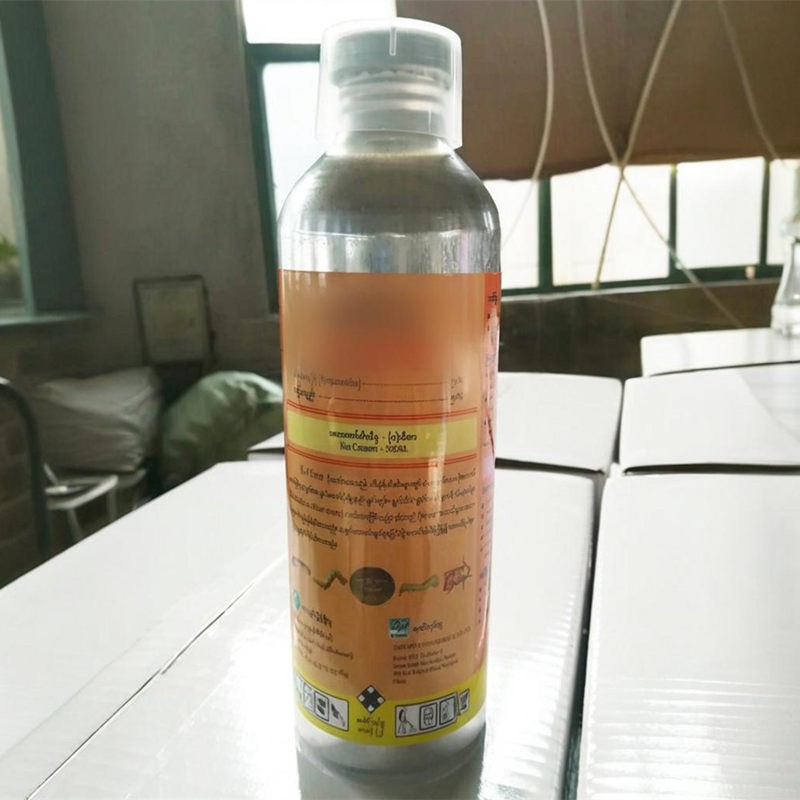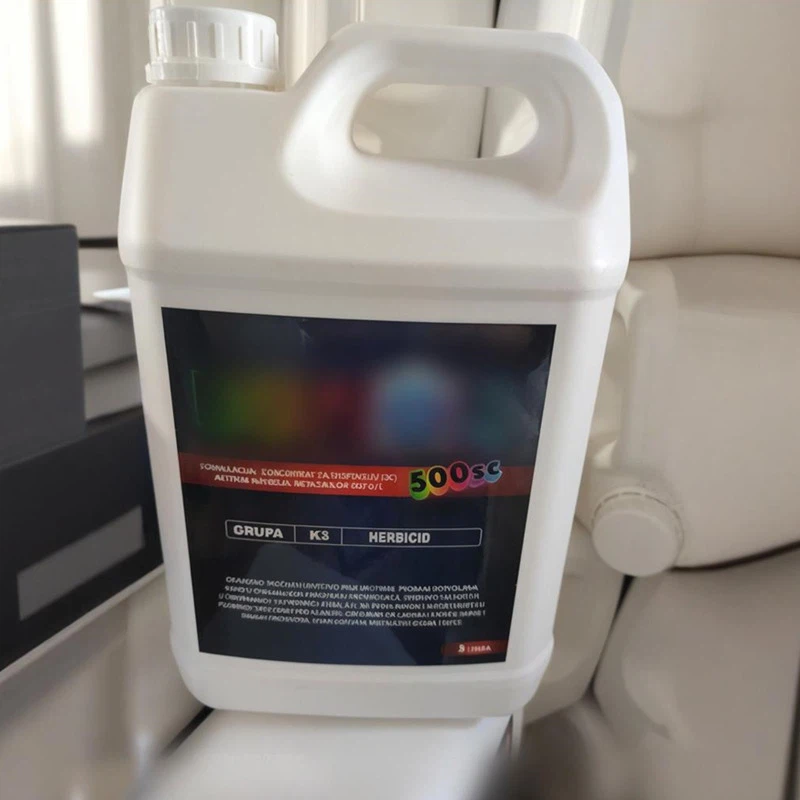
MCPA, or 2-methyl-4-chlorophenoxyacetic acid, is a widely used herbicide in the agricultural and horticultural sectors. As a supplier of MCPA products, such as MCPA 650G/L SL, I am often asked about how MCPA affects the growth of beneficial plants. In this blog post, I will delve into the science behind MCPA's action and its implications for the growth of non-target, beneficial plants.
Understanding MCPA: Mode of Action
MCPA belongs to the phenoxy herbicide family, which mimics the action of the plant hormone auxin. Auxin plays a crucial role in regulating plant growth and development, including cell elongation, division, and differentiation. When MCPA is applied to plants, it disrupts the normal auxin signaling pathways, leading to uncontrolled and abnormal growth.
In susceptible plants, MCPA causes excessive cell division and elongation in the stems, leaves, and roots. This results in twisted and distorted growth, stunted development, and eventually, the death of the plant. The herbicide is particularly effective against broadleaf weeds, as they are more sensitive to the auxin-like effects of MCPA compared to grasses.
Impact on Beneficial Plants
While MCPA is designed to target and control weeds, there is a potential risk of unintended effects on beneficial plants. The extent of these effects depends on several factors, including the type of beneficial plant, the application rate and method of MCPA, and the environmental conditions.
Sensitivity of Different Plant Species
Not all beneficial plants are equally sensitive to MCPA. Some species, such as legumes (e.g., clover, alfalfa) and certain ornamentals (e.g., roses, tulips), are more susceptible to the herbicide's effects. Legumes, in particular, are important for nitrogen fixation in the soil and are often used in crop rotations and cover cropping systems. Exposure to MCPA can damage their root nodules, which house nitrogen-fixing bacteria, and reduce their ability to fix nitrogen.
On the other hand, grasses and some monocotyledonous plants are generally more tolerant to MCPA. This is because they have different physiological and biochemical responses to the herbicide compared to broadleaf plants. However, even within the grass family, there can be variations in sensitivity, with some species being more affected than others.
Application Rate and Method
The application rate of MCPA is a critical factor in determining its impact on beneficial plants. Higher application rates increase the risk of phytotoxicity (plant damage) to non-target plants. It is important to follow the recommended application rates provided by the manufacturer to minimize the potential for harm to beneficial plants.
The method of application also plays a role. Spraying MCPA in windy conditions or using equipment that does not provide uniform coverage can result in drift, where the herbicide is carried by the wind and deposited on nearby beneficial plants. This can lead to unintended damage, especially if the plants are in the vicinity of the treated area. To reduce the risk of drift, it is advisable to apply MCPA on calm days and use appropriate spraying equipment with proper nozzles and shields.
Environmental Conditions
Environmental conditions, such as temperature, humidity, and soil moisture, can influence the uptake and metabolism of MCPA by plants. High temperatures and low humidity can increase the volatility of the herbicide, making it more likely to drift and cause damage to non-target plants. Additionally, plants are generally more sensitive to herbicides when they are under stress, such as during periods of drought or nutrient deficiency.

In wet conditions, MCPA can be more mobile in the soil and may leach into groundwater or surface water, potentially affecting aquatic plants and organisms. It is important to consider the environmental conditions when applying MCPA and take appropriate precautions to minimize its impact on the environment.
Minimizing the Impact on Beneficial Plants
As a supplier of MCPA products, I understand the importance of using herbicides in a responsible and sustainable manner. Here are some strategies that can help minimize the impact of MCPA on beneficial plants:
Selective Application
Identify the target weeds and use MCPA only where necessary. Spot treatment or band application can be more precise and reduce the amount of herbicide applied to the entire area. This can help minimize the exposure of beneficial plants to the herbicide.
Buffer Zones
Establish buffer zones around areas where beneficial plants are growing. These zones can act as a barrier to prevent the drift of MCPA and reduce the risk of damage to non-target plants. The width of the buffer zone will depend on the application method, wind conditions, and the sensitivity of the beneficial plants.
Crop Rotation and Diversification
Implement crop rotation and diversification strategies to reduce the reliance on herbicides. By alternating different crops in a field, you can disrupt the life cycles of weeds and reduce their populations naturally. Additionally, planting a diverse range of beneficial plants, such as cover crops and companion plants, can help suppress weeds and improve soil health.
Monitoring and Scouting
Regularly monitor the treated area and adjacent areas for signs of damage to beneficial plants. Early detection of phytotoxicity can allow for timely intervention, such as adjusting the application rate or method, or using alternative weed control methods.
Conclusion
MCPA is a valuable tool for weed control in agriculture and horticulture, but it is important to use it responsibly to minimize its impact on beneficial plants. By understanding the factors that influence the sensitivity of different plant species to MCPA, following the recommended application rates and methods, and considering the environmental conditions, we can ensure that the herbicide is used in a way that maximizes its effectiveness while minimizing its potential for harm.
As a supplier of MCPA products, I am committed to providing high-quality herbicides and offering technical support to our customers. If you have any questions or concerns about the use of MCPA and its impact on beneficial plants, please do not hesitate to contact us. We are here to help you make informed decisions and achieve your weed control goals in a sustainable manner.
References
- Anonymous. (Year). MCPA 650G/L SL Product Label. [Company Name].
- Duke, S. O., & Powles, S. B. (2008). Herbicides and their mechanisms of action. In Herbicide Resistance and World Grains (pp. 3-20). Springer, Dordrecht.
- Hatzios, K. K., & Penner, D. (Eds.). (1985). Herbicide Activity: Toxicity, Biochemistry, and Molecular Biology. CRC Press.
- Kells, J. J., & Young, B. G. (2002). Herbicide application technology. In Herbicide Handbook (9th ed., pp. 1-16). Weed Science Society of America.
- WSSA. (Year). Herbicide Classification by Site of Action. Weed Science Society of America.