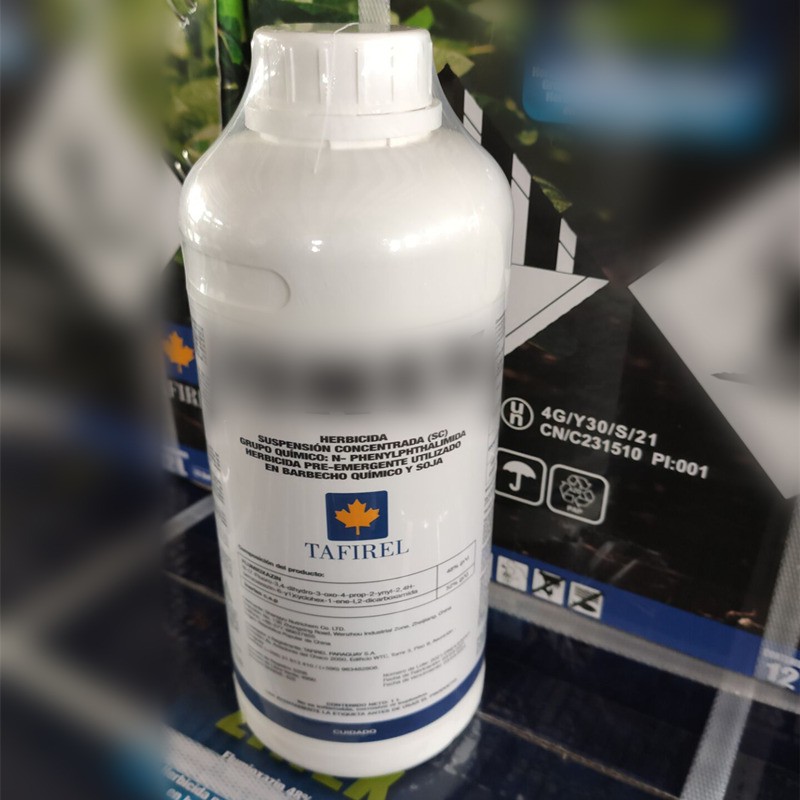
As a bentazone supplier, I've encountered numerous inquiries regarding the shelf life of bentazone. Understanding the shelf life of this herbicide is crucial for both suppliers and end - users, as it directly impacts product quality, efficacy, and safety. In this blog, I'll delve into the factors that affect the shelf life of bentazone and provide some guidance on how to ensure its optimal storage and usage.
What is Bentazone?
Bentazone is a selective post - emergence herbicide widely used in agriculture to control a variety of broadleaf weeds and sedges in crops such as soybeans, peanuts, rice, and more. It works by inhibiting the photosynthesis process in target weeds, leading to their eventual death. Bentazone is available in different formulations, including Bentazone 480G/L SL Bentazone 480G/L SL, which is a liquid formulation known for its ease of application and high efficacy.
Factors Affecting the Shelf Life of Bentazone
Chemical Stability
The chemical structure of bentazone plays a significant role in determining its shelf life. Bentazone is generally a stable compound under normal conditions. However, like all chemicals, it can undergo degradation reactions over time. Exposure to factors such as heat, light, and moisture can accelerate these degradation processes. For example, high temperatures can increase the rate of chemical reactions within the herbicide, leading to the breakdown of bentazone molecules. Similarly, exposure to light, especially ultraviolet (UV) light, can cause photochemical reactions that alter the chemical structure of bentazone.
Formulation
The formulation of bentazone also affects its shelf life. Different formulations may contain various additives, solvents, and surfactants that can influence the stability of the active ingredient. For instance, in liquid formulations like Bentazone 480G/L SL, the choice of solvents and emulsifiers can impact the solubility and stability of bentazone. If the formulation is not properly designed, the active ingredient may precipitate or separate over time, reducing the effectiveness of the herbicide.
Storage Conditions
Proper storage is essential for maintaining the shelf life of bentazone. The ideal storage conditions for bentazone include a cool, dry, and dark place. Temperatures should be kept within a specific range, typically between 5°C and 30°C. Extreme temperatures, either too high or too low, can cause physical and chemical changes in the herbicide. For example, freezing temperatures can cause the formulation to freeze and thaw, which may lead to the separation of components or the formation of crystals. Moisture is another critical factor. High humidity can cause the herbicide to absorb water, which may promote microbial growth and chemical degradation.

Typical Shelf Life of Bentazone
Under optimal storage conditions, the shelf life of bentazone is usually around 2 - 3 years. This means that if the herbicide is stored in a cool, dry, and dark place within the recommended temperature range, it can maintain its quality and efficacy for this period. However, it's important to note that the actual shelf life may vary depending on the specific formulation and storage conditions.
For example, some high - quality formulations with better - designed additives and packaging may have a longer shelf life, while products that are exposed to sub - optimal storage conditions may degrade more quickly. Additionally, the expiration date printed on the product label should always be followed as it provides the most accurate information about the expected shelf life of the specific batch.
Signs of Degradation
It's important to be able to recognize the signs of bentazone degradation. If the herbicide has been stored for a long time or under improper conditions, it may show visible changes. These can include changes in color, such as darkening or discoloration, which may indicate chemical reactions have occurred. The formation of sediment or separation of layers in liquid formulations is also a sign of degradation. A change in odor can also be an indication that the herbicide has started to break down.
Using a degraded bentazone product may result in reduced weed control efficacy. The active ingredient may have lost its potency, leading to incomplete weed kill and potential crop damage. In some cases, degraded herbicides may also pose a safety risk if they contain harmful by - products of degradation.
Ensuring Optimal Shelf Life
As a supplier, I always recommend the following steps to ensure the optimal shelf life of bentazone:
- Proper Storage: Store the herbicide in a cool, dry, and dark place. Use a storage facility with temperature and humidity control if possible. Avoid storing bentazone near sources of heat, light, or moisture, such as heaters, windows, or water pipes.
- Check Packaging: Ensure that the product is properly packaged. The packaging should be intact and airtight to prevent the entry of moisture and air. If the packaging is damaged, the herbicide may be more prone to degradation.
- Follow Label Instructions: Always follow the storage and usage instructions provided on the product label. The label contains important information about the recommended storage conditions, handling procedures, and expiration date.
- Inventory Management: Implement a proper inventory management system. Use the “first - in, first - out” (FIFO) principle to ensure that older products are used first. This helps to minimize the risk of using expired or degraded herbicides.
Contact for Purchase and Consultation
If you're interested in purchasing bentazone or have any questions about its shelf life, usage, or storage, I encourage you to reach out. Our team of experts is always ready to provide you with detailed information and assist you in making the right choice for your agricultural needs. Whether you're a large - scale farmer, a small - scale grower, or an agricultural distributor, we can offer high - quality bentazone products and excellent customer service.
References
- "Handbook of Pesticide Toxicology" - Provides in - depth knowledge about the chemical properties and stability of pesticides, including bentazone.
- Manufacturer's product literature - The official documentation from bentazone manufacturers offers specific information about the shelf life, storage, and usage of their products.
- Agricultural research journals - These often publish studies on the degradation and stability of pesticides, which can provide valuable insights into the shelf life of bentazone.