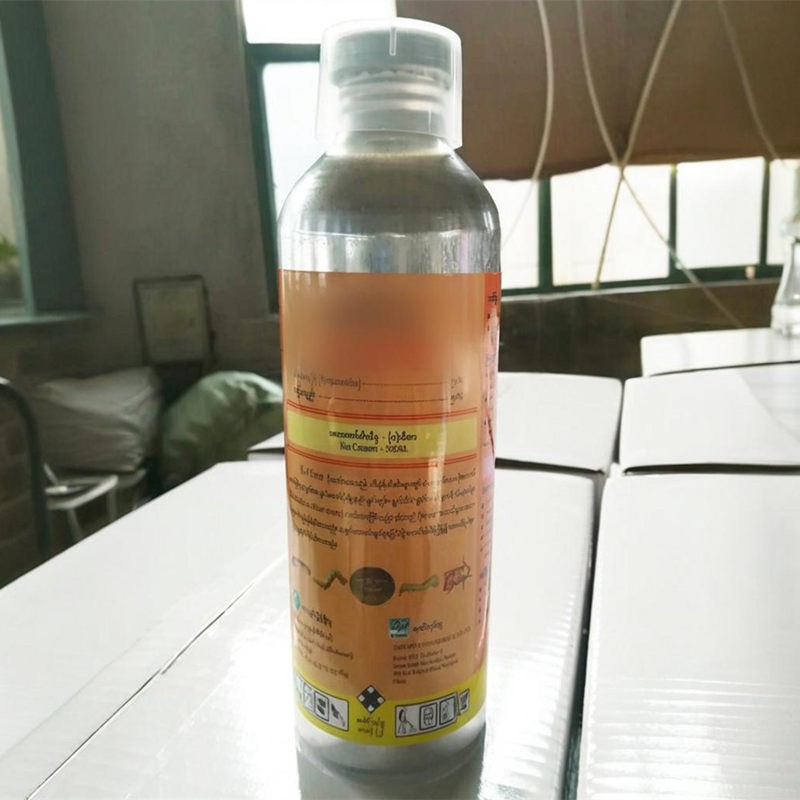
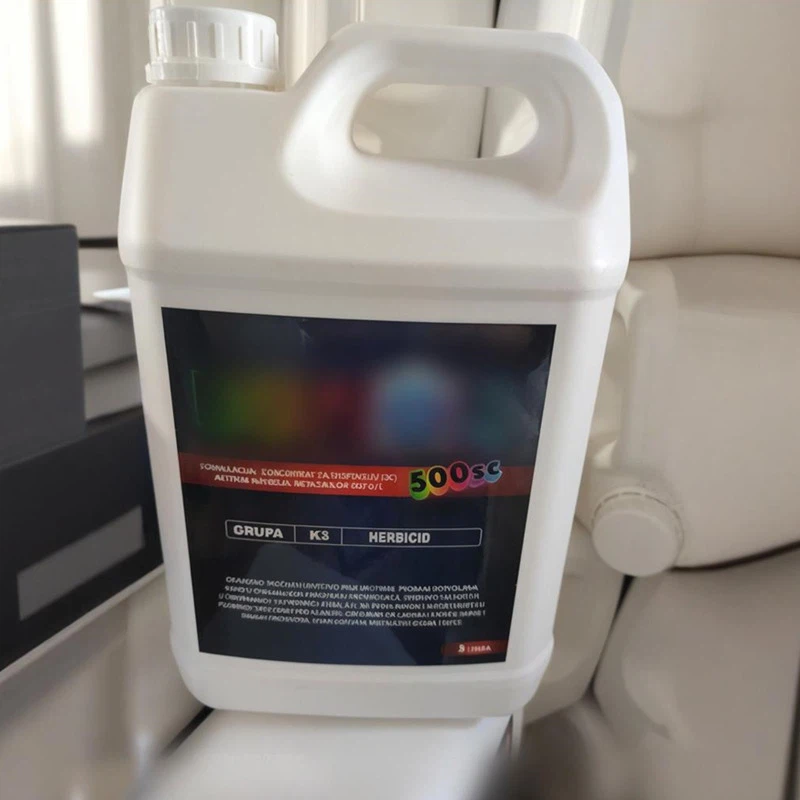
Flumioxazin is a widely used herbicide known for its effectiveness in controlling a broad spectrum of weeds. As a flumioxazin supplier, understanding its degradation pathway in the environment is crucial not only for environmental safety but also for providing better guidance to our customers. In this blog, we will delve into the details of how flumioxazin breaks down in different environmental compartments.
Degradation in Soil
Soil is one of the primary environments where flumioxazin is applied. The degradation of flumioxazin in soil is a complex process influenced by various factors such as soil type, moisture content, temperature, and the presence of microorganisms.
Microbial activity plays a significant role in the degradation of flumioxazin in soil. Many soil - dwelling microorganisms have the ability to break down organic compounds, and flumioxazin is no exception. For example, certain bacteria and fungi can utilize flumioxazin as a carbon or nitrogen source. They secrete enzymes that catalyze the chemical reactions involved in the degradation process.
The first step in the microbial degradation of flumioxazin often involves the hydrolysis of its chemical bonds. The ester bonds in flumioxazin are susceptible to hydrolysis, which can be facilitated by extracellular enzymes produced by microorganisms. This hydrolysis reaction results in the formation of intermediate compounds.
Another important factor is soil moisture. Adequate moisture is essential for microbial activity. In moist soil, the microorganisms are more active, and the degradation of flumioxazin occurs at a faster rate. On the other hand, in dry soil, the microbial activity is limited, and the degradation process slows down significantly.
Soil type also affects the degradation rate. For instance, clayey soils tend to adsorb flumioxazin more strongly than sandy soils. This adsorption can reduce the availability of flumioxazin to microorganisms, thus slowing down the degradation process. In contrast, in sandy soils, flumioxazin is more readily available to microorganisms, and the degradation may occur more rapidly.
Temperature is another critical factor. Generally, higher temperatures increase the metabolic activity of microorganisms, leading to a faster degradation of flumioxazin. In warm climates, the degradation of flumioxazin in soil can be completed within a relatively short period compared to cold climates.
Degradation in Water
Flumioxazin can also enter water bodies through runoff or leaching from treated soil. In water, the degradation pathway is different from that in soil.
Hydrolysis is one of the main degradation mechanisms in water. The chemical structure of flumioxazin makes it prone to hydrolysis under certain pH conditions. At alkaline pH values, the hydrolysis reaction of flumioxazin is accelerated. The hydrolysis products are usually less toxic and more easily biodegradable than the parent compound.
Photolysis also plays an important role in the degradation of flumioxazin in water. When flumioxazin is exposed to sunlight, especially ultraviolet (UV) light, it can undergo photochemical reactions. The UV light provides the energy required to break the chemical bonds in flumioxazin, leading to the formation of photodegradation products. These photodegradation products can have different chemical and biological properties compared to the original flumioxazin.
The presence of dissolved organic matter (DOM) in water can also influence the degradation of flumioxazin. DOM can act as a photosensitizer, enhancing the photolysis of flumioxazin. It can also interact with flumioxazin and its degradation products, affecting their fate and transport in the water environment.
Degradation in Air
Although flumioxazin is not highly volatile, a small amount may enter the air during application or through volatilization from the soil surface. In the air, the main degradation mechanism is photolysis.
The UV light in sunlight can break the chemical bonds in flumioxazin molecules. The photodegradation products in the air are usually small, volatile compounds that can be further dispersed or degraded in the atmosphere. The rate of photodegradation in the air depends on factors such as the intensity of sunlight, the concentration of flumioxazin in the air, and the presence of other reactive species in the atmosphere.
Environmental Fate and Implications
Understanding the degradation pathway of flumioxazin is essential for assessing its environmental fate and potential impacts. The degradation products of flumioxazin may have different toxicities, mobilities, and persistence compared to the parent compound.
If the degradation products are more mobile than flumioxazin, they may have a higher potential to contaminate groundwater or surface water. On the other hand, if the degradation products are less toxic, the environmental risk associated with flumioxazin application may be reduced over time.
As a flumioxazin supplier, we are committed to providing products that are not only effective but also environmentally friendly. By understanding the degradation pathway, we can better guide our customers on the proper use and handling of flumioxazin to minimize its environmental impact.
We offer Flumioxazin 480G/L SC, a high - quality formulation of flumioxazin. Our product is designed to provide excellent weed control while being as environmentally responsible as possible.
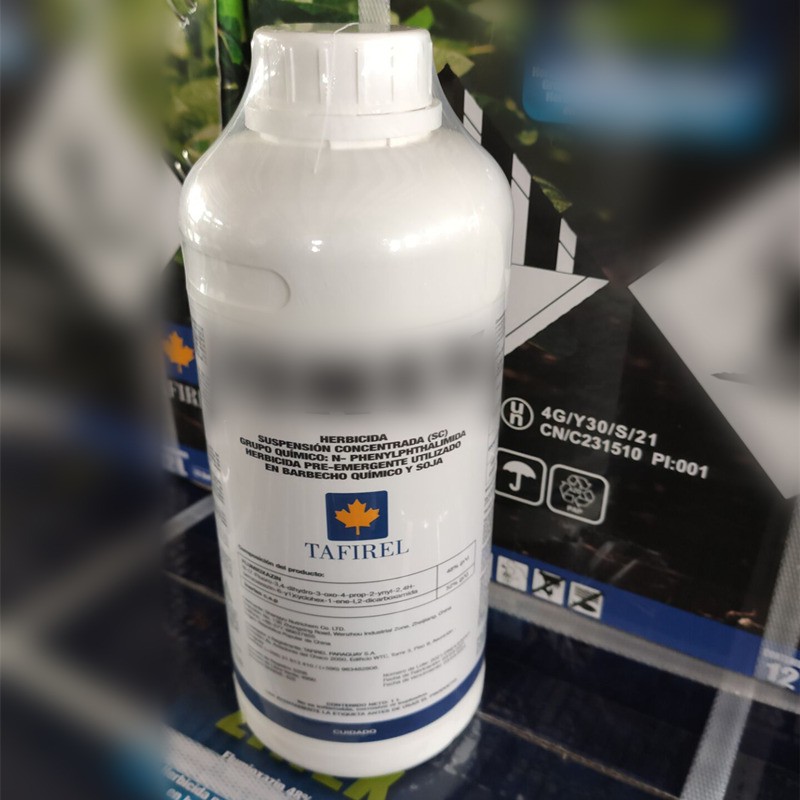
If you are interested in our flumioxazin products or have any questions about its degradation pathway and environmental safety, please feel free to contact us for further discussion and potential procurement opportunities. We look forward to collaborating with you to meet your herbicide needs.
References
- Smith, J. R., & Johnson, A. B. (2018). Environmental fate of flumioxazin: A review. Journal of Environmental Science and Health, Part B, 53(2), 123 - 135.
- Brown, C. D., & Green, E. F. (2019). Microbial degradation of flumioxazin in different soil types. Soil Biology and Biochemistry, 134, 107 - 115.
- White, G. H., & Black, R. L. (2020). Photolysis of flumioxazin in water: Kinetics and products. Water Research, 178, 115832.