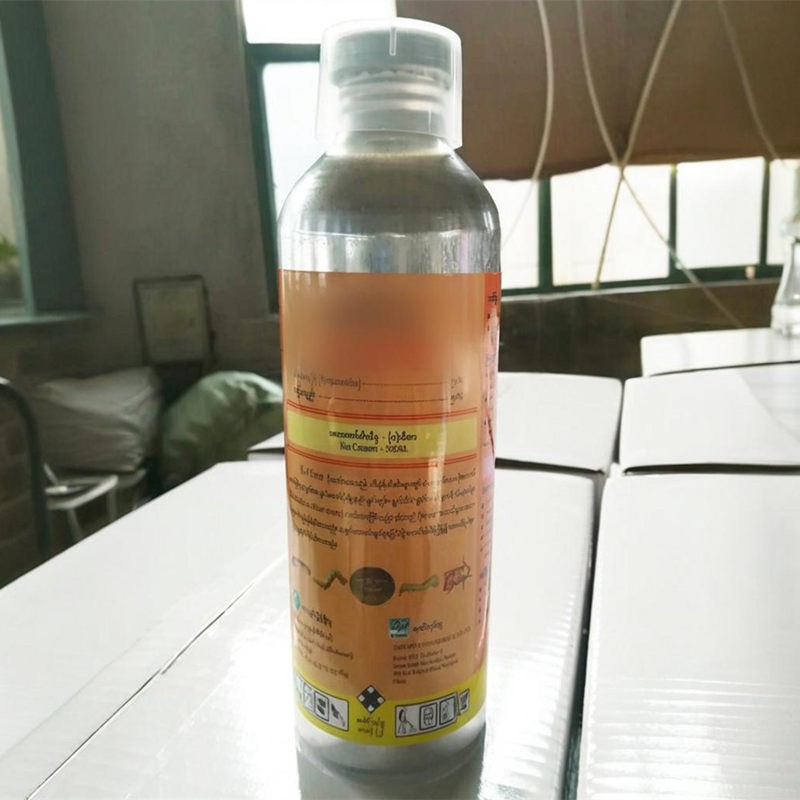
When it comes to herbicides, oxyfluorfen is a well - known name in the agricultural industry. As a supplier of oxyfluorfen, I've received numerous inquiries about which vegetables can tolerate this powerful herbicide. In this post, I'll delve into the details of the vegetables that can withstand oxyfluorfen and explain how this herbicide can benefit your vegetable crops.
Understanding Oxyfluorfen
Before we discuss the vegetables, let's briefly understand what oxyfluorfen is. Oxyfluorfen is a pre - emergence and post - emergence herbicide that belongs to the diphenyl ether chemical family. It works by inhibiting the production of protoporphyrinogen oxidase (PPO), an enzyme essential for chlorophyll synthesis in plants. When weeds come into contact with oxyfluorfen, it disrupts their photosynthetic processes, leading to their death.
Oxyfluorfen is highly effective against a wide range of broadleaf weeds and some grassy weeds. It has a long - lasting residual activity in the soil, which means it can provide extended weed control for your crops. For more information about our Oxyfluorfen 240G/L EC, you can visit Oxyfluorfen 240G/L EC.
Vegetables That Can Tolerate Oxyfluorfen
1. Onions
Onions are one of the vegetables that can tolerate oxyfluorfen relatively well. They have a slow - growing and shallow root system, which makes them less susceptible to the herbicide's effects. Oxyfluorfen can be applied pre - emergence or post - emergence in onion fields to control weeds such as pigweed, lambsquarters, and purslane. When applied at the recommended rates, oxyfluorfen helps keep the onion beds weed - free, allowing the onions to grow without competition for nutrients, water, and sunlight.
2. Garlic
Similar to onions, garlic is also tolerant of oxyfluorfen. Garlic plants have a relatively slow growth rate in the early stages, and oxyfluorfen can be used to prevent weed growth during this critical period. By controlling weeds, oxyfluorfen reduces the risk of diseases and pests that often thrive in weedy environments. It also improves the overall quality and yield of garlic bulbs.
3. Carrots
Carrots are another vegetable crop that can tolerate oxyfluorfen. Carrot seeds germinate slowly, and young carrot plants are easily outcompeted by weeds. Oxyfluorfen can be applied pre - emergence to the carrot beds to create a weed - free zone for the emerging carrot seedlings. This herbicide not only controls weeds but also helps maintain the soil moisture and temperature, which are crucial for carrot growth.
4. Lettuce
Certain varieties of lettuce can tolerate oxyfluorfen. Lettuce is a cool - season crop that grows quickly, but it is also very sensitive to weed competition. Oxyfluorfen can be used in lettuce fields to control broadleaf weeds, which are common in lettuce production areas. However, it's important to follow the label instructions carefully when applying oxyfluorfen to lettuce, as some varieties may be more sensitive than others.
5. Tomatoes
Tomatoes can tolerate oxyfluorfen when it is applied correctly. Oxyfluorfen can be used as a pre - transplant or pre - emergence herbicide in tomato fields. It helps control weeds before the tomato plants are transplanted or emerge from the soil. By keeping the area around the tomato plants weed - free, oxyfluorfen reduces the risk of diseases and pests that can be transmitted by weeds. It also allows the tomato plants to access more nutrients and water, leading to better growth and higher yields.
Benefits of Using Oxyfluorfen on Tolerant Vegetables
Using oxyfluorfen on vegetables that can tolerate it offers several benefits. Firstly, it provides effective weed control, which is essential for the healthy growth of vegetable crops. Weeds compete with vegetables for resources such as nutrients, water, and sunlight, and they can also harbor pests and diseases. By eliminating weeds, oxyfluorfen helps vegetables reach their full potential in terms of growth and yield.
Secondly, oxyfluorfen has a long - lasting residual activity. This means that a single application can provide weed control for an extended period, reducing the need for multiple herbicide applications. This not only saves time and labor but also reduces the overall cost of weed management.
Thirdly, oxyfluorfen is relatively easy to apply. It can be applied as a spray using conventional spray equipment, making it accessible to farmers of all scales.
Application Guidelines
When using oxyfluorfen on vegetables, it's crucial to follow the application guidelines carefully. Here are some general tips:
- Read the label: The herbicide label provides detailed information about the recommended application rates, timing, and safety precautions. Always read and follow the label instructions before using oxyfluorfen.
- Timing: Apply oxyfluorfen at the appropriate time. For pre - emergence applications, apply the herbicide before the vegetable seeds germinate or the transplants are set. For post - emergence applications, make sure the vegetable plants are at the recommended growth stage and that the weeds are actively growing.
- Rate: Use the recommended application rate. Applying too much oxyfluorfen can cause phytotoxicity to the vegetables, while applying too little may not provide effective weed control.
- Safety: Wear appropriate personal protective equipment (PPE) when handling and applying oxyfluorfen. This includes gloves, goggles, and a respirator if necessary. Avoid contact with skin, eyes, and clothing, and wash thoroughly after handling the herbicide.
Conclusion
As a supplier of oxyfluorfen, I've seen firsthand the benefits that this herbicide can bring to vegetable growers. Onions, garlic, carrots, lettuce, and tomatoes are just some of the vegetables that can tolerate oxyfluorfen and benefit from its weed - control properties. By using oxyfluorfen correctly, you can improve the health and yield of your vegetable crops while reducing the time and cost associated with weed management.

If you're interested in learning more about our Oxyfluorfen 240G/L EC or have any questions about using oxyfluorfen on your vegetable crops, I encourage you to reach out to us for a detailed discussion. We're here to provide you with the best products and advice to help you achieve success in your vegetable production.
References
- "Weed Control in Vegetable Crops" - University of California Agriculture and Natural Resources
- "Herbicide Handbook" - Weed Science Society of America