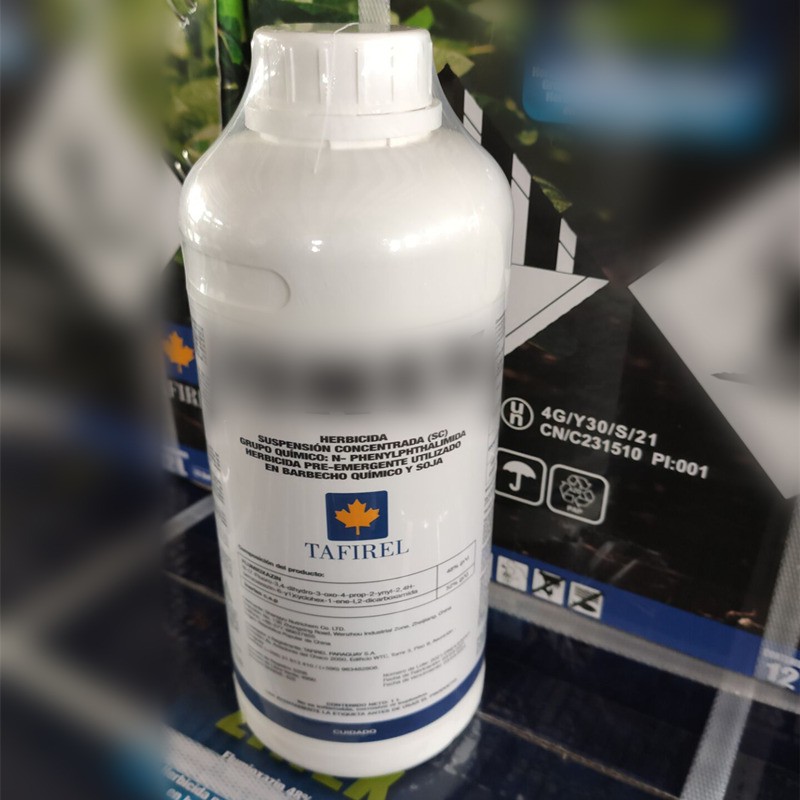
Hey there, fellow farmers and gardening enthusiasts! I'm here as a thiamethoxam supplier to have a chat about a burning question: Can thiamethoxam be used on vegetable crops? Let's dig deep into this topic and find out.
First off, what the heck is thiamethoxam? Well, it's a neonicotinoid insecticide. Neonicotinoids have been around for a while and have become quite popular in the agricultural world. They work by targeting the nervous systems of insects, basically messing them up and eventually killing them. Thiamethoxam is known for its systemic properties. That means when you apply it to the soil or the plant, it gets absorbed and distributed throughout the plant tissues. So, no matter where the pesky insects munch on the plant, they're gonna get a dose of this stuff.
Now, let's talk about using thiamethoxam on vegetable crops. The short answer is yes, it can be used, but there are some important things to keep in mind.
One of the big advantages of using thiamethoxam on vegetables is its effectiveness against a wide range of insects. Aphids, whiteflies, thrips, and some beetles are just a few of the bugs that thiamethoxam can take care of. These insects can cause a lot of damage to vegetable crops. Aphids, for example, suck the sap out of the plants, which can lead to stunted growth, yellowing leaves, and even the spread of plant diseases. By using thiamethoxam, you can protect your veggies from these little critters and ensure a healthy harvest.
There are different formulations of thiamethoxam available. One popular one is Thiamethoxam 350G/L SC. This formulation is easy to mix and apply. You can use it as a soil drench, a foliar spray, or even as a seed treatment. When you use it as a soil drench, the thiamethoxam gets taken up by the plant's roots and then moves up through the plant. This provides long - term protection against insects. As a foliar spray, it can quickly knock down insects that are already on the plant. And as a seed treatment, it can protect the young seedlings right from the start.
But, like with any pesticide, there are some concerns. One of the main issues with thiamethoxam and other neonicotinoids is their potential impact on pollinators, especially bees. Bees are super important for the pollination of many vegetable crops. When bees come into contact with thiamethoxam, it can affect their behavior, navigation, and even their ability to reproduce. That's why it's crucial to use thiamethoxam responsibly.
If you're going to use thiamethoxam on your vegetable crops, here are some tips to minimize the impact on pollinators. First, avoid applying it when the plants are in bloom. During the blooming period, bees are actively visiting the flowers, and they're more likely to come into contact with the pesticide. Second, follow the label instructions carefully. The label will tell you the correct dosage, application method, and safety precautions. Don't use more than the recommended amount, as this can increase the risk of harm to pollinators and other beneficial insects.
Another thing to consider is the waiting period between application and harvest. Different vegetables have different waiting periods, which are specified on the product label. This waiting period is important to ensure that the pesticide residues in the vegetables are within the safe limits. For example, if you're growing tomatoes and you apply thiamethoxam, you need to wait a certain number of days before you can harvest and eat the tomatoes.
Let's also talk about the environmental impact of thiamethoxam. It can leach into the soil and potentially contaminate groundwater. To reduce this risk, don't over - apply the pesticide. Also, make sure that the soil has good drainage. If the soil is compacted or has poor drainage, the thiamethoxam is more likely to stay in the soil and cause problems.
In some regions, there are regulations regarding the use of thiamethoxam on vegetable crops. Before you start using it, make sure you're aware of these regulations. Some areas may have restrictions on the types of vegetables you can use it on, the application rates, or the time of application.

Now, I know some of you might be thinking, "Is there an alternative to thiamethoxam?" Well, there are other insecticides available, as well as some non - chemical methods of pest control. For example, you can use biological control agents like ladybugs, which eat aphids. You can also use physical barriers like row covers to keep insects away from your plants. However, these methods may not be as effective as thiamethoxam in some cases, especially when you're dealing with a large infestation.
So, in conclusion, thiamethoxam can be used on vegetable crops, but it needs to be used with caution. It's an effective tool for controlling insects, but we also need to be mindful of its impact on pollinators and the environment. If you're considering using thiamethoxam on your vegetable crops, I'd be more than happy to help you out. As a thiamethoxam supplier, I can provide you with the right product, give you advice on application, and answer any questions you might have. Whether you're a small - scale gardener or a large - scale farmer, we've got the solutions for you. If you're interested in purchasing thiamethoxam or want to have a chat about its usage, don't hesitate to reach out. Let's work together to keep your vegetable crops healthy and pest - free.
References
- "Neonicotinoid Insecticides: A Current Overview of Their Global Usage" - Journal of Pest Science
- "Impact of Neonicotinoids on Pollinators: A Review" - Environmental Science and Pollution Research
- Product label of Thiamethoxam 350G/L SC