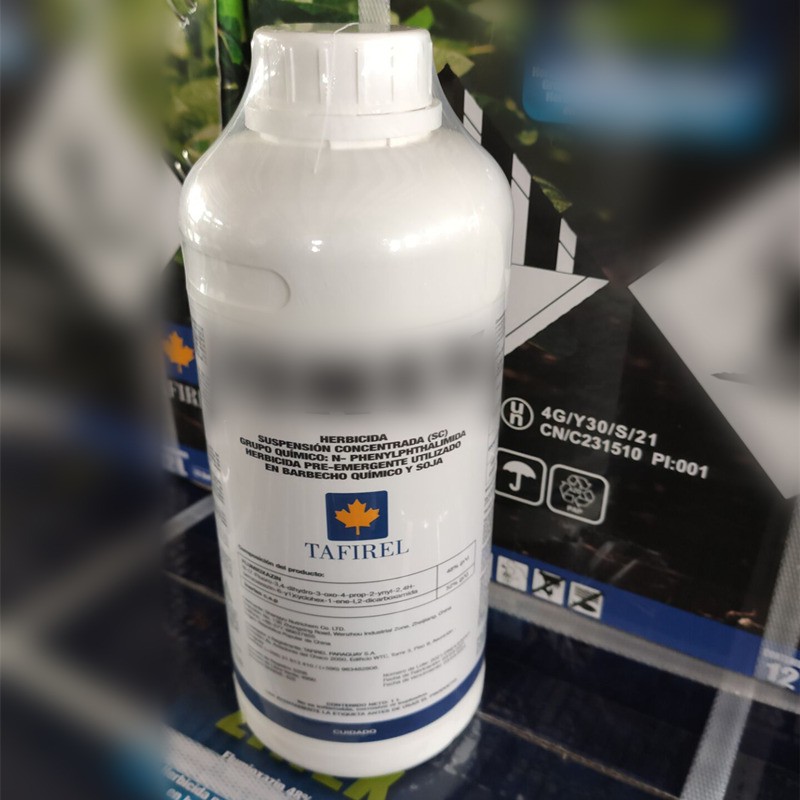
As a supplier of MCPA, I understand that safety is of utmost importance when it comes to using any chemical product. MCPA, or 2-methyl-4-chlorophenoxyacetic acid, is a widely used herbicide known for its effectiveness in controlling broadleaf weeds in various agricultural and non-agricultural settings. However, like any chemical, it must be handled with care to ensure the safety of users, the environment, and non-target organisms. In this blog post, I will discuss some specific safety precautions that should be taken when using MCPA.
Personal Protective Equipment (PPE)
One of the most fundamental safety measures when using MCPA is the proper use of personal protective equipment (PPE). PPE acts as a barrier between the user and the chemical, reducing the risk of exposure through skin contact, inhalation, or ingestion. When handling MCPA, the following PPE should be worn:
- Gloves: Chemical-resistant gloves made of materials such as nitrile or neoprene should be worn to prevent skin contact with MCPA. Gloves should cover the hands and wrists completely and be in good condition without any holes or tears.
- Goggles or Face Shield: To protect the eyes from splashes or mists of MCPA, safety goggles or a face shield should be worn. This is especially important when mixing, loading, or spraying the herbicide.
- Respirator: Depending on the application method and the concentration of MCPA being used, a respirator may be required to protect against inhalation of the chemical. A respirator with an appropriate filter for organic vapors and particulates should be selected and worn correctly.
- Protective Clothing: Long-sleeved shirts, long pants, and closed-toe shoes should be worn to minimize skin exposure. Additionally, a chemical-resistant apron or coveralls may be necessary when handling large quantities of MCPA.
Handling and Storage
Proper handling and storage of MCPA are essential to prevent spills, leaks, and other accidents. Here are some important safety precautions to follow:
- Read the Label: Before using MCPA, carefully read and understand the product label. The label provides important information on proper use, handling, storage, and safety precautions. Follow all instructions and warnings on the label.
- Mixing and Loading: When mixing MCPA, use a clean, well-ventilated area away from food, water, and livestock. Wear appropriate PPE and follow the recommended mixing ratios. Use a calibrated measuring device to ensure accurate dosing. Avoid splashing or spilling the chemical during mixing and loading.
- Transportation: When transporting MCPA, ensure that the containers are properly sealed and secured to prevent spills or leaks. Use a dedicated vehicle or container for transporting the herbicide and avoid transporting it with other chemicals or materials.
- Storage: Store MCPA in a cool, dry, and well-ventilated area away from heat, flames, and direct sunlight. Keep the product in its original container with the label intact. Do not store MCPA near food, feed, or water sources. Ensure that the storage area is locked and inaccessible to unauthorized personnel.
Application
When applying MCPA, it is important to follow proper application techniques to ensure effective weed control while minimizing the risk of exposure to non-target organisms and the environment. Here are some safety precautions to consider:
- Weather Conditions: Avoid applying MCPA during windy or rainy conditions, as this can increase the risk of drift and contamination of non-target areas. Choose a calm day with minimal wind for application.
- Buffer Zones: Establish buffer zones around sensitive areas such as water bodies, residential areas, and areas with high wildlife activity. The size of the buffer zone will depend on the application method, the concentration of MCPA being used, and the sensitivity of the area. Follow the recommendations on the product label for buffer zone distances.
- Application Equipment: Use calibrated application equipment to ensure accurate dosing and uniform coverage. Clean and maintain the equipment regularly to prevent clogging and ensure proper operation.
- Post-Application Cleanup: After applying MCPA, clean all equipment thoroughly to remove any残留的 chemical. Dispose of the rinse water and any leftover herbicide according to local regulations.
Environmental Considerations
MCPA can have potential impacts on the environment, including non-target plants, animals, and water quality. To minimize these impacts, the following environmental considerations should be taken into account:

- Non-Target Plants: Avoid applying MCPA near desirable plants, as it can cause damage or death to non-target species. Use appropriate application techniques and buffer zones to protect sensitive plants.
- Wildlife: MCPA can be toxic to some wildlife species, especially birds and aquatic organisms. Avoid applying the herbicide in areas with high wildlife activity or near water bodies. Follow the recommendations on the product label for protecting wildlife.
- Water Quality: MCPA can contaminate water sources if it is not applied properly or if there is runoff from treated areas. Avoid applying the herbicide near water bodies or during periods of high rainfall. Follow the recommendations on the product label for protecting water quality.
First Aid and Emergency Response
In case of accidental exposure to MCPA, it is important to know the appropriate first aid measures and emergency response procedures. Here are some general guidelines:
- Skin Contact: If MCPA comes into contact with the skin, immediately remove any contaminated clothing and wash the affected area thoroughly with soap and water for at least 15 minutes. Seek medical attention if irritation or other symptoms persist.
- Eye Contact: If MCPA gets into the eyes, immediately flush the eyes with plenty of water for at least 15 minutes, lifting the upper and lower eyelids occasionally. Seek medical attention immediately.
- Inhalation: If MCPA is inhaled, move the person to fresh air immediately. If the person is not breathing, perform artificial respiration. Seek medical attention immediately.
- Ingestion: If MCPA is ingested, do not induce vomiting unless instructed to do so by a medical professional. Rinse the mouth with water and seek medical attention immediately.
Conclusion
In conclusion, using MCPA safely requires careful attention to personal protective equipment, handling and storage, application techniques, environmental considerations, and emergency response procedures. By following these safety precautions, users can minimize the risk of exposure to MCPA and protect themselves, the environment, and non-target organisms. As a supplier of MCPA, I am committed to providing high-quality products and ensuring that our customers have the information and resources they need to use our products safely and effectively.
If you are interested in purchasing MCPA or have any questions about its use, please do not hesitate to contact us for a purchase negotiation. We look forward to working with you to meet your herbicide needs.
References
- Product label of MCPA 650G/L SL
- Safety Data Sheet (SDS) of MCPA
- Relevant agricultural and environmental regulations