


Hey there, fellow farmers and gardening enthusiasts! As a supplier of flumioxazin, I've been getting a lot of questions lately about alternatives to this popular herbicide. So, I thought I'd put together this blog post to share some insights on what other options are out there for weed control.
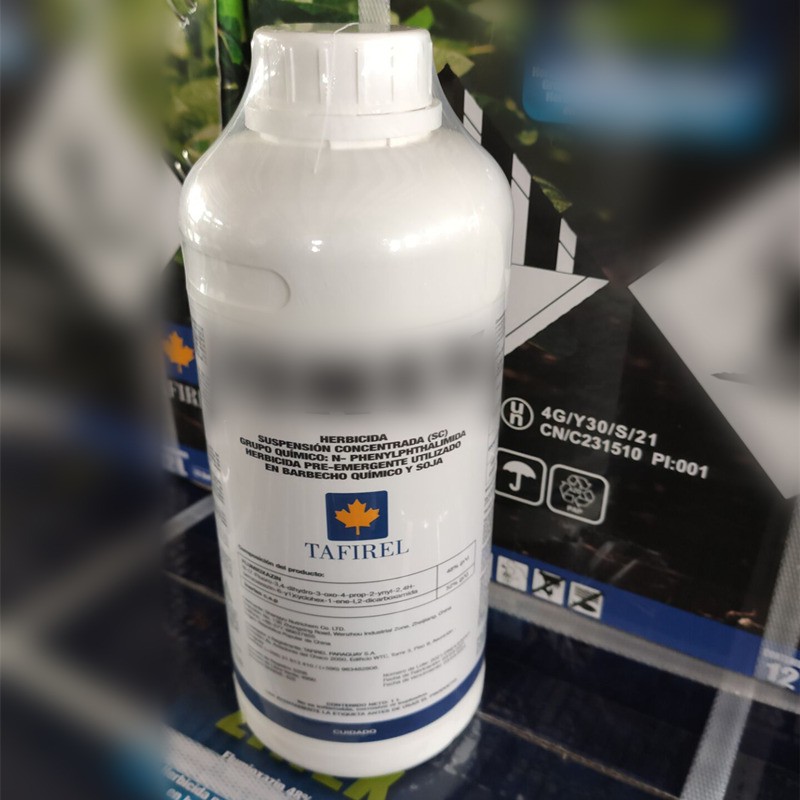
First off, let's talk a bit about flumioxazin. It's a pre - emergent and post - emergent herbicide that's pretty effective against a wide range of broadleaf weeds and some grasses. Flumioxazin 480G/L SC is one of the products we offer, and it's been a go - to for many growers because it provides long - lasting control and has a relatively low environmental impact compared to some other chemicals.
But, there are times when you might want to look for alternatives. Maybe you're dealing with a weed species that's becoming resistant to flumioxazin, or perhaps you're looking for a more cost - effective solution. Whatever the reason, here are some options you can consider.
Glyphosate
Glyphosate is probably one of the most well - known herbicides out there. It's a non - selective herbicide, which means it'll kill just about any plant it comes into contact with. This makes it great for clearing large areas of land before planting.
The way glyphosate works is by inhibiting an enzyme that's essential for plant growth. Once a plant absorbs glyphosate, it stops making the proteins it needs to survive, and eventually, it dies. It's relatively inexpensive and widely available, which is why it's so popular.
However, there are some downsides. Glyphosate has been a bit controversial in recent years due to concerns about its potential health effects. Also, because it's non - selective, you have to be really careful when using it around desirable plants. If you accidentally spray it on your crops or flowers, they'll be toast.
2,4 - D
2,4 - D is another common herbicide that's used mainly for controlling broadleaf weeds in grassy areas. It's a selective herbicide, so it targets broadleaf plants while leaving grasses unharmed. This makes it a great choice for lawns, pastures, and cereal crops.
The mechanism of action of 2,4 - D is similar to that of natural plant hormones. It disrupts the normal growth processes of broadleaf plants, causing them to grow in abnormal ways and eventually die. It's fast - acting and can provide quick results.
But, like glyphosate, 2,4 - D also has its drawbacks. It can be volatile, which means it can evaporate and drift to other areas, potentially harming non - target plants. There are also concerns about its environmental impact, especially on aquatic ecosystems if it gets into waterways.
Glufosinate
Glufosinate is a relatively new herbicide on the market. It's a non - selective herbicide that works by interfering with a plant's ability to produce a certain amino acid. Without this amino acid, the plant can't function properly and will die.
One of the advantages of glufosinate is that it has a different mode of action compared to glyphosate. This means that it can be used to control weeds that are resistant to glyphosate. It also breaks down relatively quickly in the environment, which is a plus from an environmental perspective.
On the flip side, glufosinate can be more expensive than some other herbicides. And, like other non - selective herbicides, you need to be careful when using it around desirable plants.
S - Metolachlor
S - Metolachlor is a pre - emergent herbicide that's used to control a variety of annual grasses and some broadleaf weeds. It works by inhibiting the growth of weed seedlings as they germinate. When applied to the soil, it forms a barrier that prevents weeds from emerging.
This herbicide is often used in combination with other herbicides to provide broader spectrum control. It's commonly used in corn, soybean, and cotton fields.
The main drawback of S - Metolachlor is that it needs to be applied at the right time to be effective. If you miss the window for pre - emergent application, it won't work as well. Also, it can have some negative impacts on aquatic organisms if it runs off into water bodies.
Dimethenamid - P
Dimethenamid - P is another pre - emergent herbicide that's similar to S - Metolachlor. It's used to control annual grasses and some broadleaf weeds in a variety of crops, including vegetables, fruits, and field crops.
It works by inhibiting the growth of weed seedlings during germination. It has a relatively long residual activity, which means it can provide control for an extended period of time.
However, like other pre - emergent herbicides, it needs to be applied correctly. If the soil conditions aren't right or if it's not incorporated properly, its effectiveness can be reduced.
Choosing the Right Alternative
So, how do you decide which alternative to flumioxazin is right for you? Well, it depends on a few factors.
First, consider the type of weeds you're dealing with. If you have mainly broadleaf weeds in a grassy area, 2,4 - D might be a good choice. If you're facing glyphosate - resistant weeds, glufosinate could be the answer.
Next, think about the type of plants you're trying to protect. If you're working in a lawn or pasture, a selective herbicide like 2,4 - D is better than a non - selective one like glyphosate.
Cost is also an important factor. Some alternatives, like glyphosate, are relatively inexpensive, while others, like glufosinate, can be more costly. You need to balance the cost with the effectiveness of the herbicide.
Finally, consider the environmental impact. Some herbicides break down more quickly in the environment than others, and some are less likely to cause harm to non - target organisms.
Our Role as a Flumioxazin Supplier
As a supplier of flumioxazin, we understand that sometimes our customers might need alternatives. That's why we're always here to help you make the right choice. We can provide you with detailed information about each herbicide, including its pros and cons, and help you figure out which one will work best for your specific situation.
If you're still interested in flumioxazin, we have a great product in Flumioxazin 480G/L SC. It's a high - quality herbicide that's been proven to work in a variety of conditions.
Whether you're looking for an alternative or still want to stick with flumioxazin, we're here to assist you with your weed control needs. If you have any questions or want to discuss your options further, don't hesitate to reach out. We're more than happy to start a conversation and help you find the best solution for your farm or garden.
In conclusion, there are several alternatives to flumioxazin for weed control, each with its own set of advantages and disadvantages. By considering your specific needs and circumstances, you can choose the herbicide that's right for you. And remember, we're here to support you every step of the way. So, let's talk and see how we can work together to keep those weeds at bay!
References
- "Herbicide Handbook" by Weed Science Society of America
- Various product labels and technical bulletins from herbicide manufacturers


